


How Urban Mobility Is Reshaping Two-Wheeler Adoption in Latin America
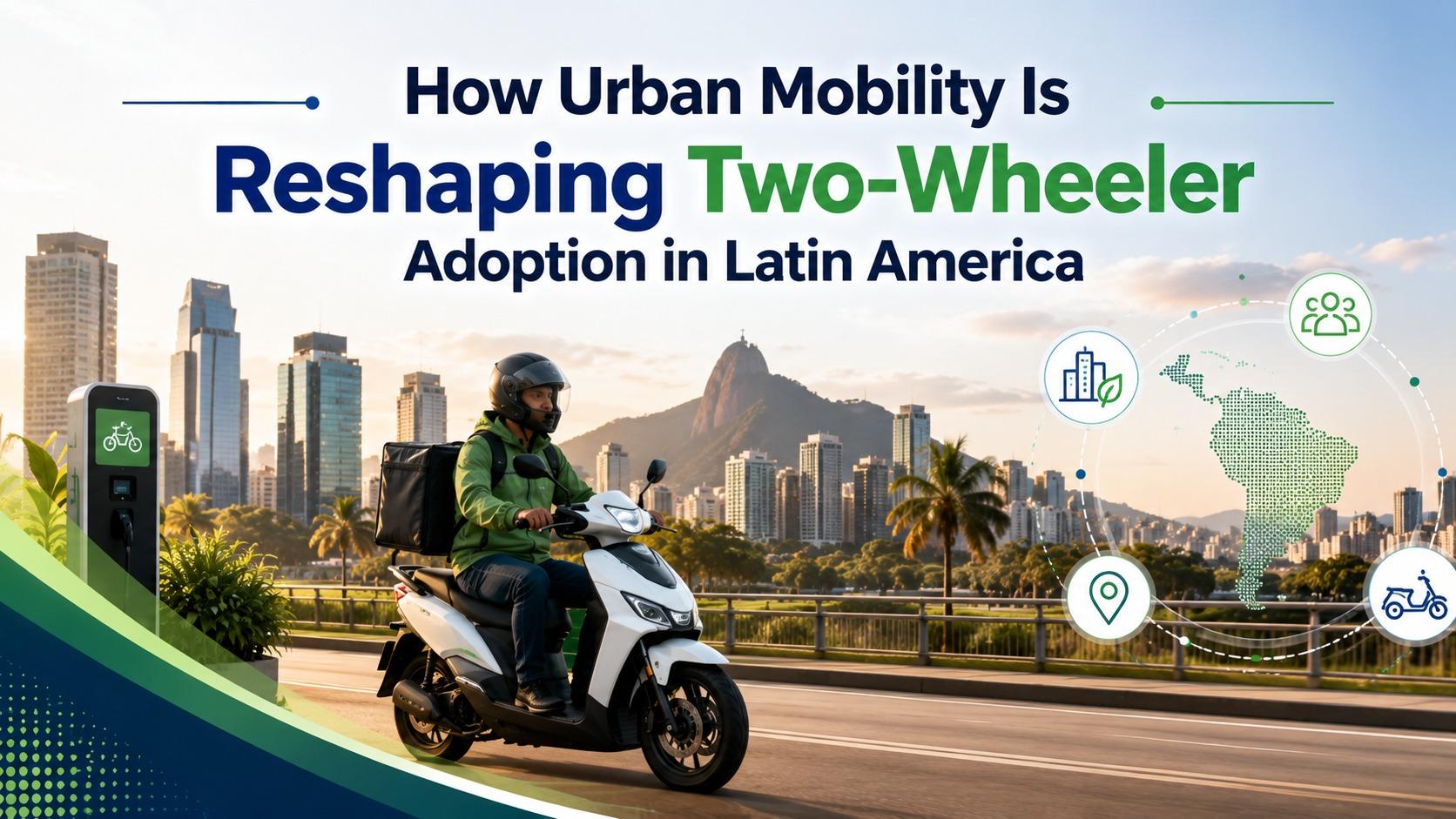
Urban transportation across Latin America is undergoing a noticeable transformation as cities seek more efficient, affordable, and flexible mobility solutions. Increasing traffic congestion, rising commuting costs, and changing consumer preferences have encouraged greater interest in two-wheelers as practical vehicles for everyday travel. From motorcycles to scooters, these vehicles are becoming an integral part of the region's evolving transportation landscape.
Beyond personal transportation, two-wheelers are also playing a growing role in commercial activities. Food delivery services, e-commerce logistics, and ride-hailing platforms increasingly rely on motorcycles to navigate crowded urban environments quickly. Their lower operating costs and ability to reduce travel times make them an attractive option for both businesses and independent workers.
Consumer demand is also shifting as younger populations prioritize convenience, affordability, and fuel efficiency. Improvements in vehicle design, enhanced safety features, and expanding financing options have made two-wheelers more accessible to a broader range of buyers. As governments continue investing in transportation infrastructure, the mobility ecosystem is expected to evolve further in favour of compact vehicles.
Growing Urbanization Is Supporting Demand
Latin America's urban population continues to expand, creating greater pressure on existing transportation systems. As cities become more densely populated, commuters increasingly seek alternatives that can navigate congested roads efficiently. Two-wheelers provide a practical solution by offering shorter travel times, lower parking requirements, and reduced fuel consumption compared to larger vehicles.
Many metropolitan areas are also witnessing improvements in road infrastructure, making motorcycle ownership increasingly practical. Combined with growing disposable incomes in several economies, these developments continue to strengthen consumer interest in affordable personal mobility.
Delivery Services Are Accelerating Market Expansion
The rapid expansion of online shopping and app-based delivery platforms has significantly influenced demand for motorcycles throughout Latin America. Restaurants, grocery retailers, courier companies, and e-commerce providers increasingly depend on motorcycle fleets to complete last-mile deliveries efficiently.
Businesses value motorcycles because they reduce delivery times while lowering fuel and maintenance expenses. This operational efficiency has encouraged fleet expansion across multiple industries, creating sustained demand for commercial two-wheelers.
Technology Is Enhancing the Riding Experience
Manufacturers continue introducing innovations that improve safety, comfort, and connectivity. Modern motorcycles increasingly feature digital instrument clusters, smartphone connectivity, advanced braking systems, fuel-efficient engines, and enhanced suspension technologies.
Growing interest in electric mobility is also encouraging manufacturers to develop battery-powered scooters and motorcycles designed for urban commuting. Although conventional internal combustion models continue to dominate, electric alternatives are gradually entering the regional transportation mix as charging infrastructure expands.
Affordability Remains a Key Purchase Driver
Compared with passenger cars, motorcycles generally require a lower initial investment while offering reduced operating and maintenance costs. This affordability makes them especially attractive for students, first-time vehicle owners, and small business operators.
Financial institutions and vehicle dealers have also introduced flexible financing programs, making ownership more accessible across different income groups. These initiatives continue to encourage replacement purchases as well as first-time buyers.
Government Policies and Sustainability Initiatives
Several countries across Latin America are exploring policies that promote cleaner transportation and improved urban mobility. Investments in road infrastructure, emission regulations, and incentives supporting cleaner vehicle technologies are gradually influencing purchasing decisions.
Industry observers note that regulatory developments, combined with technological innovation, are expected to influence the long-term direction of regional mobility. According to the Latin America mobility research published by MarkNtel Advisors, evolving consumer behavior and transportation modernization continue to shape the competitive landscape.
Challenges That May Influence Future Growth
Despite positive momentum, manufacturers and distributors continue facing several challenges. Supply chain disruptions, fluctuating raw material costs, inflationary pressures, and varying regulatory environments can influence production and pricing strategies. Road safety concerns and insurance costs also remain important considerations for both consumers and policymakers.
Nevertheless, continued investments in manufacturing capabilities, dealership networks, after-sales services, and digital sales channels are helping strengthen the overall ecosystem while improving customer experience.
Future Outlook
The future of two-wheelers in Latin America will likely be shaped by continued urbanization, digital commerce expansion, and technological innovation. As cities prioritize smarter transportation systems, motorcycles and scooters are expected to remain an important component of urban mobility due to their flexibility and cost efficiency.
Industry participants are also expected to focus on connected technologies, improved rider safety, fuel efficiency, and electrification to meet evolving consumer expectations. These developments are anticipated to create new opportunities across manufacturing, distribution, and mobility services.
Additional perspectives from organizations such as the World Bank highlight how sustainable urban transport investments can improve accessibility and economic productivity across developing regions. Likewise, the International Energy Agency continues to emphasize the growing importance of efficient mobility solutions as transportation systems evolve globally.
Conclusion
Two-wheelers are becoming an increasingly valuable transportation option across Latin America as consumers seek practical, economical, and efficient mobility solutions. Supported by urban growth, expanding delivery services, technological innovation, and changing commuting habits, the sector continues to evolve alongside the region's transportation infrastructure. While challenges remain, ongoing innovation and policy support are expected to contribute to the long-term development of the regional mobility ecosystem.
Categorias
Leia mais
When you're locked out of your home, need a car key replacement, or want to upgrade your property's security, choosing the right locksmith is more important than most people realize. A professional locksmith doesn't just unlock doors. They help protect your home, business, vehicle, and family. Unfortunately, not every locksmith offers the same level of service. Some provide transparent pricing,...
Europe Active Pharmaceutical Ingredients (API) Market Segmentation, By Molecule (Small Molecule, and Large Molecule), Type (Innovative Active Pharmaceutical Ingredients, and Generic Innovative Active Pharmaceutical Ingredients), Type of Manufacturer (Captive API Manufacturer, and Merchant API Manufacturer), Synthesis (Synthetic Active Pharmaceutical Ingredients and Biotech Active...

Many individuals seek solutions for underarm hyperpigmentation to feel more confident and comfortable. Armpit Whitening Cost in Riyadh Whether caused by friction, shaving, or hormonal changes, dark underarms are a common concern, and navigating the available solutions can feel overwhelming. Understanding the different pathways—from topical care to professional procedures—is the...

Buy bulk Gmail PVA accounts, stable phone-verified emails Buy PVA Gmail Accounts from smmpvaio.com for scalable, secure and business-ready email solutions. Learn benefits, usage, and strategy in 2026. 💎💎💎💎💎💎🥽🥽🥽🥽🥽🏅🏅🏅🏅🏅🏅🏅🏅🏅🏅🏅🏅 .🔹🔹⭐WhatsA: https://wa.me/+447916688316 .🔹🔹⭐Telegram:https://telegram.me/SMMPvaIO .🔹🔹⭐More Information: https://smmpvaio.com/ .🔹🔹⭐ Email: smmpvaio@gmail.com .🔹🔹⭐Our Link...