


Why Climate Adaptation Is Essential for Managing Physical Climate Risks
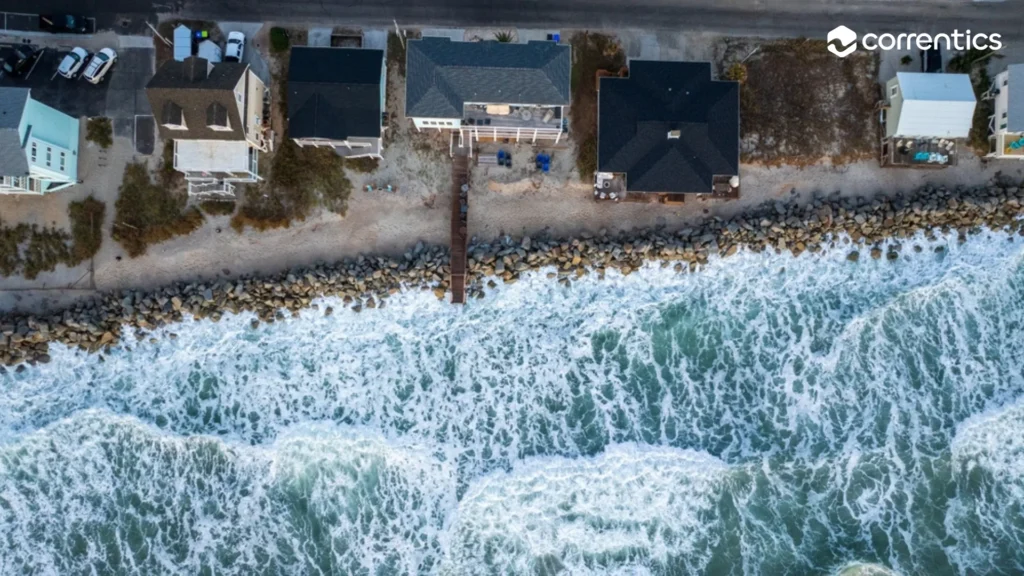
Climate adaptation has become a business imperative as organizations face increasing exposure to physical climate risks. From extreme weather events and rising temperatures to water scarcity and sea level rise, climate-related hazards can disrupt operations, damage infrastructure, and impact financial performance. While reducing greenhouse gas emissions remains essential, businesses must also prepare for the unavoidable effects of climate change through effective adaptation strategies.
Organizations that prioritize climate adaptation can strengthen resilience, protect assets, improve business continuity, and meet evolving sustainability reporting requirements. This article explores why climate adaptation is essential for managing physical climate risks and how businesses can build a more resilient future.
Why Climate Adaptation Is Essential for Managing Physical Climate Risks
Climate change is transforming the global business landscape. Companies across industries are experiencing more frequent and severe weather events, supply chain disruptions, infrastructure damage, and resource shortages. These challenges highlight the importance of not only reducing emissions but also preparing for the physical impacts of a changing climate.
Climate adaptation is the process of adjusting business strategies, operations, infrastructure, and decision-making to reduce vulnerability to climate-related hazards. It enables organizations to anticipate risks, minimize disruptions, and maintain long-term business resilience.
As investors, regulators, customers, and other stakeholders increasingly expect organizations to demonstrate climate resilience, climate adaptation has become a critical component of enterprise risk management and sustainable business planning.
Understanding Physical Climate Risks
Physical climate risks refer to the direct impacts of climate change on people, assets, operations, and ecosystems. These risks can affect nearly every aspect of a business, from facilities and supply chains to workforce safety and financial performance.
Physical climate risks generally fall into two categories:
Acute Physical Risks
Acute risks are sudden climate-related events that can cause immediate damage and operational disruptions.
Examples include:
- Flooding
- Hurricanes and cyclones
- Wildfires
- Severe storms
- Heatwaves
- Heavy snowfall
- Extreme rainfall
These events can damage facilities, interrupt production, delay transportation, and increase recovery costs.
Chronic Physical Risks
Chronic risks develop gradually over time and often require long-term planning.
Examples include:
- Rising average temperatures
- Sea level rise
- Water scarcity
- Drought
- Coastal erosion
- Changing precipitation patterns
- Ecosystem degradation
Although slower to develop, chronic risks can significantly affect long-term investments, infrastructure, and business operations.
Why Climate Adaptation Matters
Climate adaptation helps organizations proactively prepare for both acute and chronic climate risks instead of reacting after disruptions occur.
A well-designed adaptation strategy enables businesses to identify vulnerabilities, prioritize investments, and strengthen resilience across operations.
Some of the most important benefits include:
1. Protecting Critical Business Assets
Facilities, warehouses, manufacturing plants, offices, and data centers are increasingly exposed to climate hazards.
Adaptation measures may include:
- Flood barriers
- Elevated infrastructure
- Heat-resistant building materials
- Improved drainage systems
- Backup power systems
Protecting physical assets reduces repair costs and operational downtime.
2. Improving Business Continuity
Climate-related disruptions can halt production, delay deliveries, and interrupt customer service.
Climate adaptation strengthens business continuity through:
- Emergency response planning
- Climate-resilient infrastructure
- Redundant operational systems
- Diversified suppliers
- Disaster recovery planning
Organizations with effective continuity plans recover faster from climate events.
3. Building Supply Chain Resilience
Modern supply chains are interconnected across multiple regions, making them vulnerable to climate disruptions.
Potential impacts include:
- Transportation delays
- Port closures
- Crop failures
- Supplier shutdowns
- Infrastructure damage
Adaptation strategies may involve:
- Mapping supplier climate exposure
- Diversifying sourcing locations
- Increasing inventory flexibility
- Collaborating with suppliers on resilience planning
Supply chain adaptation reduces operational uncertainty.
4. Reducing Financial Risk
Physical climate risks can create substantial financial losses through:
- Property damage
- Lost productivity
- Higher insurance premiums
- Business interruption
- Infrastructure replacement costs
- Legal liabilities
Investing in adaptation often costs significantly less than recovering from repeated climate disasters.
5. Supporting Regulatory Compliance
Climate disclosure regulations increasingly require organizations to evaluate and communicate physical climate risks.
Businesses are expected to disclose:
- Climate-related risks
- Risk management processes
- Scenario analysis
- Organizational resilience
- Financial impacts
Climate adaptation strengthens reporting quality while demonstrating proactive risk management.
Key Components of Climate Adaptation
Successful climate adaptation requires a structured, organization-wide approach.
Climate Risk Assessment
Businesses should identify:
- Climate hazards
- Geographic exposure
- Asset vulnerabilities
- Operational dependencies
- Critical infrastructure risks
Comprehensive risk assessments provide the foundation for adaptation planning.
Climate Scenario Analysis
Scenario analysis evaluates how different climate futures could affect business performance.
Organizations examine factors such as:
- Temperature increases
- Flood probabilities
- Water availability
- Storm intensity
- Infrastructure resilience
This analysis supports long-term investment decisions.
Vulnerability Assessment
Not every asset faces the same level of risk.
Businesses should evaluate:
- Facilities
- Distribution centers
- Manufacturing plants
- Transportation routes
- Utilities
- Information technology infrastructure
Understanding vulnerabilities helps prioritize adaptation investments.
Adaptation Planning
Organizations develop action plans that include:
- Infrastructure upgrades
- Operational improvements
- Emergency preparedness
- Resource management
- Insurance strategies
- Employee safety measures
Implementation should focus on the highest-risk areas first.
Continuous Monitoring
Climate risks evolve over time.
Businesses should continuously monitor:
- Climate data
- Regulatory developments
- Emerging hazards
- Adaptation effectiveness
- Operational performance
Regular updates improve long-term resilience.
Climate Adaptation Across Industries
Every industry experiences climate risks differently.
Manufacturing
Manufacturers focus on:
- Facility resilience
- Equipment protection
- Energy reliability
- Water management
- Supplier diversification
Financial Services
Financial institutions evaluate:
- Portfolio exposure
- Physical asset risks
- Insurance claims
- Lending risks
- Climate-related investments
Agriculture
Agricultural businesses prioritize:
- Water conservation
- Soil management
- Crop diversification
- Climate forecasting
- Drought resilience
Real Estate
Property owners invest in:
- Flood-resistant construction
- Energy-efficient buildings
- Climate-resilient infrastructure
- Heat adaptation
Transportation and Logistics
Transportation companies strengthen:
- Route flexibility
- Fleet resilience
- Infrastructure protection
- Emergency operations
Climate Adaptation and ESG Strategy
Climate adaptation has become an essential pillar of environmental, social, and governance (ESG) strategies.
Organizations increasingly integrate adaptation into:
- Sustainability planning
- Enterprise risk management
- Capital allocation
- Operational strategy
- Long-term investments
Transparent adaptation planning demonstrates responsible governance and long-term resilience.
Climate Adaptation and IFRS S2
The International Sustainability Standards Board's IFRS S2 standard requires organizations to disclose material climate-related risks and opportunities, including physical climate risks.
Businesses should evaluate:
- Physical climate exposure
- Strategic resilience
- Climate scenario analysis
- Risk management processes
- Financial implications
Climate adaptation supports more accurate, transparent, and decision-useful climate disclosures while helping organizations align with investor expectations.
Best Practices for Managing Physical Climate Risks
Organizations can improve resilience by following several proven practices.
Integrate Climate Risks into Enterprise Risk Management
Climate risks should be considered alongside operational, financial, and strategic risks.
Use High-Quality Climate Data
Reliable climate projections improve planning accuracy and investment decisions.
Prioritize High-Risk Assets
Focus adaptation investments where climate exposure is greatest.
Engage Multiple Departments
Climate adaptation requires collaboration across:
- Sustainability
- Operations
- Finance
- Risk management
- Facilities
- Procurement
Review Adaptation Plans Regularly
Climate conditions continue to evolve, making regular reviews essential.
Common Challenges
Despite growing awareness, organizations often face obstacles when implementing climate adaptation.
Common challenges include:
- Limited climate expertise
- Data availability
- Budget constraints
- Complex supply chains
- Uncertain future climate scenarios
- Rapidly changing regulations
Addressing these challenges requires strong governance, cross-functional collaboration, and access to reliable climate intelligence.
How Correntics Helps Businesses Manage Physical Climate Risks
Managing physical climate risks requires more than identifying hazards—it demands actionable insights and integrated planning. Correntics provides organizations with tools to assess climate-related risks, conduct scenario analysis, and support sustainability reporting through a centralized platform.
By combining climate data with business intelligence, Correntics helps companies evaluate asset-level vulnerabilities, prioritize adaptation measures, and improve resilience across operations and supply chains. The platform also supports alignment with leading climate disclosure frameworks, enabling organizations to strengthen transparency and regulatory readiness while making informed, risk-based decisions.
The Future of Climate Adaptation
As climate impacts become more frequent and severe, climate adaptation will continue to shape corporate strategy.
Organizations that invest early in resilience are more likely to:
- Reduce operational disruptions
- Protect shareholder value
- Strengthen stakeholder trust
- Improve long-term competitiveness
- Meet evolving regulatory expectations
- Build sustainable growth
Climate adaptation is no longer optional—it is a strategic necessity for long-term success.
Conclusion
Managing physical climate risks requires organizations to move beyond reactive responses and adopt proactive climate adaptation strategies. By assessing vulnerabilities, strengthening infrastructure, improving supply chain resilience, and integrating climate risks into business planning, companies can minimize disruptions and protect long-term value.
As climate disclosure standards and stakeholder expectations continue to evolve, organizations that prioritize adaptation will be better positioned to navigate uncertainty and seize new opportunities. With robust climate risk insights and sustainability solutions from Correntics, businesses can enhance resilience, support regulatory compliance, and create a stronger foundation for sustainable growth.
الأقسام
إقرأ المزيد
MBBS in Georgia: A Complete Guide for Indian Students Seeking Global Medical Education Over the past decade, MBBS in Georgia has emerged as one of the most preferred options for Indian students aspiring to pursue a medical degree abroad. Known for its globally recognized universities, affordable tuition fees, modern infrastructure, and high-quality education system, Georgia offers excellent...

Get professional custom built fence Vancouver services designed for privacy, security, durability, and beautiful outdoor property improvements. Custom Built Fence Vancouver for Stylish and Secure Properties A fence is more than just a boundary around a property. A well-designed fence improves security, privacy, curb appeal, and the overall appearance of outdoor spaces. Every property has...

Buy LinkedIn accounts In today’s digital landscape, having a robust online presence is more crucial than ever. LinkedIn stands out as the premier platform for professionals to connect, network, and showcase their expertise. But what if you’re just starting or your current account isn’t making the impact you desire? This is where purchasing LinkedIn accounts can be a game...

According to the latest report published by Data Bridge Market Research, the Europe Negative Pressure Wound Therapy Devices Market The Europe negative pressure wound therapy devices market size was valued at USD 823.69 million in 2024 and is expected to reach USD 1,740.13 million by 2032, at a CAGR of 9.8% during the forecast period. An international Europe Negative Pressure Wound...

Building a competitive roster in MLB The Show 26 requires more than simply collecting the highest-rated player cards. After years of managing Diamond Dynasty teams, I have learned that smart card selection, lineup balance, and resource management are the keys to long-term success. Understanding how to spend MLB The Show 26 Stubs efficiently can help you create a stronger team without...

