


Where Are Fine Bubble Disc Diffusers Commonly Used? – Complete Guide
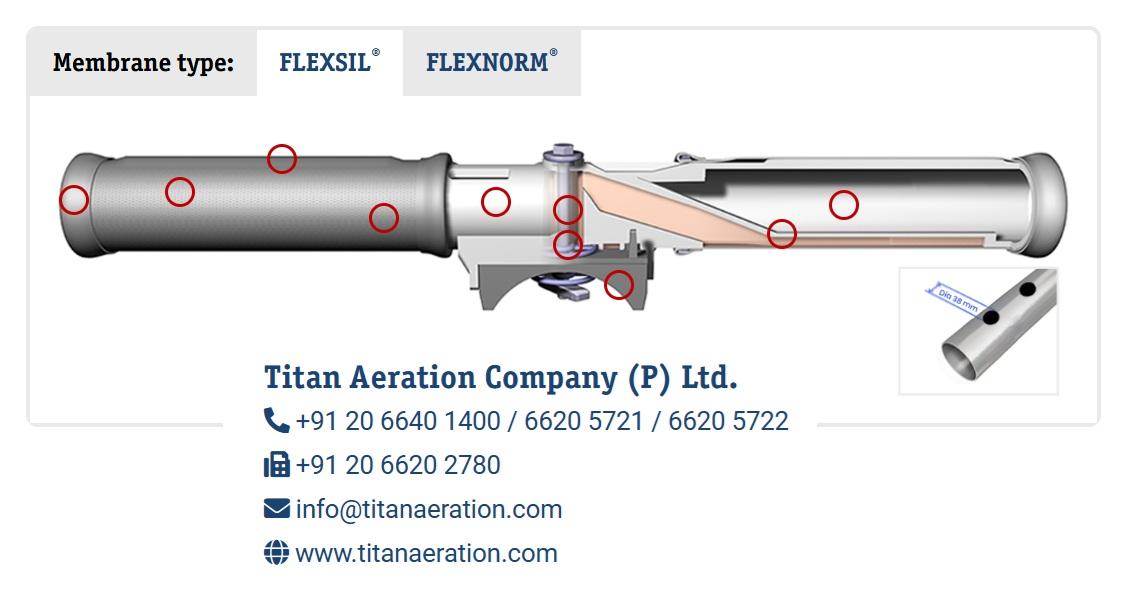
Fine bubble disc diffusers are among the most efficient aeration devices used in modern water and wastewater treatment systems. Their ability to produce millions of tiny air bubbles significantly improves oxygen transfer efficiency while reducing energy consumption. As industries and municipalities increasingly prioritize sustainable water management, fine bubble disc diffusers have become the preferred aeration solution for a wide range of applications.
From municipal sewage treatment plants to aquaculture farms and industrial wastewater facilities, these advanced diffusers play a vital role in maintaining water quality, supporting biological treatment processes, and ensuring environmental compliance. This comprehensive guide explores where fine bubble disc diffusers are commonly used, their benefits, and why they remain an essential component of efficient aeration systems.
What Are Fine Bubble Disc Diffusers?
Fine bubble disc diffuser is circular aeration devices fitted with flexible membrane materials containing thousands of precision-engineered perforations. When compressed air passes through these membranes, countless fine bubbles are released into the water.
The smaller bubble size increases the contact time between oxygen and water, allowing higher oxygen transfer efficiency compared to coarse bubble aeration systems. This efficient oxygen distribution enhances biological activity, reduces operational costs, and improves overall treatment performance.
Why Fine Bubble Disc Diffusers Are Widely Used?
Several advantages make these diffusers suitable for numerous applications:
- Excellent oxygen transfer efficiency
- Reduced energy consumption
- Uniform air distribution
- Minimal maintenance requirements
- Long operational lifespan
- Resistance to corrosion and chemical exposure
- Easy installation and replacement
- Improved biological treatment performance
- Lower operating costs
- Reliable long-term operation
These features have made fine bubble disc diffusers the preferred aeration technology across multiple industries.
Municipal Wastewater Treatment Plants
The most common application of fine bubble disc diffusers is in municipal wastewater treatment facilities.
Municipal treatment plants process enormous quantities of domestic sewage every day. Biological treatment relies on aerobic microorganisms that require a continuous oxygen supply to decompose organic pollutants efficiently.
Fine bubble disc diffusers provide:
- High dissolved oxygen levels
- Uniform oxygen distribution
- Stable biological treatment
- Lower electricity consumption
- Improved sludge stabilization
Because aeration accounts for a significant portion of total plant energy usage, installing fine bubble diffusers can dramatically reduce operational expenses.
Industrial Wastewater Treatment
Many industries generate wastewater containing chemicals, organic matter, oils, grease, and suspended solids. Before discharge or reuse, this wastewater requires effective treatment.
Fine bubble disc diffusers are widely used in industries such as:
- Food processing
- Beverage manufacturing
- Dairy plants
- Pharmaceutical production
- Textile manufacturing
- Paper mills
- Chemical processing
- Distilleries
- Breweries
- Automotive manufacturing
Their high oxygen transfer capability supports biological treatment systems while minimizing energy costs.
Aquaculture and Fish Farming
Healthy aquatic life depends heavily on adequate dissolved oxygen levels.
Fine bubble disc diffusers are extensively used in:
- Fish farms
- Shrimp farms
- Hatcheries
- Aquaculture ponds
- Ornamental fish facilities
They help maintain optimal oxygen concentrations while creating gentle water circulation that improves fish health without causing excessive turbulence.
Benefits include:
- Higher fish survival rates
- Faster growth
- Reduced stress
- Better feed conversion
- Improved water quality
Activated Sludge Aeration Tanks
Activated sludge treatment is one of the most widely adopted biological wastewater treatment processes worldwide.
Fine bubble disc diffusers are installed at the bottom of aeration tanks where they continuously release oxygen to sustain microbial activity.
Advantages include:
- Efficient BOD removal
- Enhanced COD reduction
- Stable nitrification
- Improved denitrification performance
- Lower sludge production
- Consistent treatment quality
Equalization Tanks
Industrial wastewater often experiences fluctuations in flow and pollutant concentration.
Equalization tanks equipped with fine bubble disc diffusers provide:
- Continuous mixing
- Prevention of solids settling
- Odor reduction
- Oxygen maintenance
- Improved downstream treatment efficiency
The aeration also prevents septic conditions from developing during storage.
Sequencing Batch Reactors (SBR Systems)
SBR systems combine multiple treatment stages into a single reactor.
Fine bubble disc diffusers perform several critical functions:
- Aeration
- Oxygen transfer
- Biological oxidation
- Mixing
- Nutrient removal support
Their flexibility allows treatment cycles to operate efficiently while reducing overall system footprint.
Moving Bed Biofilm Reactor (MBBR) Systems
MBBR technology uses floating plastic media that support beneficial bacterial growth.
Fine bubble disc diffusers provide:
- Oxygen for biofilm microorganisms
- Gentle mixing of carrier media
- Uniform oxygen distribution
- Stable biological treatment
This combination results in highly efficient organic pollutant removal.
Membrane Bioreactor (MBR) Systems
Membrane bioreactors require precise oxygen control to maintain biological activity while preventing membrane fouling.
Fine bubble disc diffusers contribute by:
- Maintaining dissolved oxygen
- Supporting biological degradation
- Improving membrane performance
- Reducing fouling potential
- Enhancing treatment efficiency
Drinking Water Treatment Plants
Fine bubble disc diffusers are also used in potable water treatment facilities.
Applications include:
- Iron removal
- Manganese oxidation
- Odor control
- Carbon dioxide stripping
- Oxygen enrichment
Proper aeration improves overall water quality before filtration and distribution.
Lakes and Reservoir Aeration
Many lakes suffer from oxygen depletion caused by algae growth and organic decomposition.
Fine bubble disc diffusers help restore ecological balance by:
- Increasing dissolved oxygen
- Reducing foul odors
- Preventing fish kills
- Limiting anaerobic conditions
- Supporting aquatic ecosystems
Lake restoration projects frequently utilize fine bubble aeration systems due to their efficiency.
Waste Stabilization Lagoons
Large lagoons treating municipal or industrial wastewater require reliable oxygen transfer.
Fine bubble disc diffusers improve:
- Organic matter degradation
- Sludge stabilization
- Odor reduction
- Water clarity
- Overall treatment performance
Their low energy requirements make them especially suitable for large-scale lagoon systems.
Food and Beverage Industry
Food processing generates wastewater rich in biodegradable organic material.
Common facilities include:
- Dairy plants
- Meat processing
- Fruit processing
- Vegetable processing
- Beverage factories
- Sugar mills
Fine bubble disc diffusers enhance aerobic biological treatment while reducing operating expenses.
Pharmaceutical Manufacturing Plants
Pharmaceutical wastewater often contains complex organic compounds requiring advanced biological treatment.
Fine bubble disc diffusers provide:
- Stable oxygen supply
- High biological activity
- Efficient pollutant degradation
- Improved process reliability
Their chemical-resistant membrane materials ensure long service life even under challenging conditions.
Textile and Dyeing Industries
Textile wastewater contains dyes, chemicals, and organic pollutants.
Fine bubble disc diffusers support:
- Biological oxidation
- Color reduction
- Organic removal
- Stable treatment conditions
- Energy-efficient aeration
Chemical Processing Facilities
Chemical manufacturing requires effective wastewater treatment before discharge.
Fine bubble disc diffusers assist in:
- Biological treatment
- Oxidation processes
- Oxygen enrichment
- Process stability
- Compliance with environmental regulations
Pulp and Paper Mills
Paper mills produce wastewater with high organic loading.
Fine bubble disc diffusers improve:
- BOD removal
- COD reduction
- Biological efficiency
- Oxygen transfer
- Sludge treatment
Mining Operations
Mining wastewater often requires aeration before further treatment.
Applications include:
- Acid mine drainage treatment
- Biological oxidation
- Metal precipitation support
- Water reuse systems
Fine bubble diffusers provide reliable oxygen delivery under demanding operating conditions.
Advantages Across All Applications
Regardless of the industry, fine bubble disc diffusers consistently deliver:
- Superior oxygen transfer efficiency
- Lower blower power requirements
- Reduced operating costs
- Minimal maintenance
- Long membrane life
- Easy installation
- Excellent corrosion resistance
- Uniform aeration coverage
- Improved biological treatment
- Environmentally friendly operation
Factors to Consider When Selecting Fine Bubble Disc Diffusers
Choosing the right diffuser depends on several important factors:
Water Depth
Greater depths increase oxygen transfer efficiency but require suitable diffuser design.
Air Flow Rate
Proper airflow ensures optimal bubble formation and membrane performance.
Membrane Material
Common options include:
- EPDM
- Silicone
- Polyurethane
Each material offers different chemical and temperature resistance characteristics.
Wastewater Characteristics
Industrial wastewater composition affects diffuser selection and membrane compatibility.
Installation Configuration
Engineers determine diffuser spacing, piping layout, and airflow requirements to maximize treatment performance.
Maintenance Requirements
Although fine bubble disc diffusers require relatively little maintenance, routine inspection ensures long-term efficiency.
Recommended maintenance includes:
- Periodic membrane cleaning
- Airflow monitoring
- Pressure testing
- Inspection for fouling
- Replacement of worn membranes when necessary
Proper maintenance helps preserve oxygen transfer efficiency and extends equipment lifespan.
Future Applications of Fine Bubble Disc Diffusers
As water treatment technologies continue to evolve, fine bubble disc diffusers are becoming increasingly important in:
- Water recycling plants
- Zero Liquid Discharge (ZLD) systems
- Smart wastewater treatment facilities
- Industrial water reuse projects
- Sustainable aquaculture
- Advanced biological nutrient removal
- Green infrastructure developments
Their combination of energy efficiency and treatment effectiveness ensures they will remain a key technology for modern water management.
Conclusion
Fine bubble disc diffusers are widely used across municipal wastewater treatment plants, industrial processing facilities, aquaculture farms, drinking water plants, lakes, reservoirs, lagoons, and numerous specialized biological treatment systems. Their exceptional oxygen transfer efficiency, low energy consumption, long service life, and reliable performance make them an indispensable component of modern aeration systems.
Whether treating domestic sewage, industrial effluent, or supporting aquatic ecosystems, fine bubble disc diffusers deliver consistent oxygen distribution that enhances biological treatment, reduces operating costs, and promotes sustainable water management. As environmental regulations become increasingly stringent and energy efficiency becomes a greater priority, the demand for high-performance fine bubble disc diffusers will continue to grow across industries worldwide.
Frequently Asked Questions (FAQs)
1. Where are fine bubble disc diffusers most commonly used?
They are primarily used in municipal wastewater treatment plants, industrial effluent treatment systems, aquaculture, drinking water treatment, and lake aeration projects.
2. Why are fine bubble disc diffusers preferred over coarse bubble diffusers?
They provide higher oxygen transfer efficiency, lower energy consumption, quieter operation, and improved biological treatment performance.
3. Can fine bubble disc diffusers be used in industrial wastewater treatment?
Yes. They are widely used in food processing, pharmaceuticals, textiles, paper mills, chemical plants, breweries, and many other industries.
4. How long do fine bubble disc diffusers typically last?
With proper maintenance and suitable operating conditions, quality membrane diffusers can provide many years of reliable service.
5. What membrane materials are commonly used?
EPDM, silicone, and polyurethane are the most commonly used membrane materials due to their durability and chemical resistance.
Contact Titan Aeration for high-quality Fine Bubble Disc Diffusers and customized aeration solutions designed for municipal, industrial, and aquaculture applications. Our expert team provides reliable products, technical support, and efficient systems to meet your water and wastewater treatment requirements.
Categorias
Leia mais
In Diablo 4, players are introduced to a world of immense lore, deep customization, and rewarding loot. One of the most coveted items in the game is the Fists of Fate, a legendary weapon that can dramatically enhance a character's combat capabilities. Whether you're a seasoned veteran of the Diablo series or a newcomer to Sanctuary, getting your hands on the Fists of Fate will give you a...

Not every artist can turn merchandise into something people genuinely care about. In most cases, merch is just a logo printed on a hoodie or a t-shirt. But Tyler, the Creator changed that idea completely. His drops feel personal, intentional, and deeply connected to his music. That’s why Tyler the creator merch continues to stand out in both streetwear and fan culture. From the refined...

Your home is where your best memories are made, and your outdoor space should be a place where you truly love to spend time. If you are searching for an outdoor living contractor near me, you are likely looking for a partner who can help you turn your backyard into a comfortable, beautiful, and functional retreat. At Elegance Outdoor Living, we specialize in designing and building custom...

Buy Telegram Accounts Buy Telegram accounts can be a game-changer for businesses looking to expand their digital footprint. With millions of active users, Telegram offers an unparalleled platform for marketing and audience engagement. 🌐📲 Always Online — For any info, just contact us. 📶⚛️📊📉➤Telegram: @getpvasmm 📶⚛️📊📉➤Discord:getpvasmm 📶⚛⚛️📊📉➤WhatsApp: + 1 (830) 739-8217...

SEO Hamilton services help local businesses improve online visibility, attract targeted traffic, and grow customer reach through effective search engine optimization and digital marketing strategies.
