


How Eye Care Professionals Detect Subtle Changes in Ocular Health
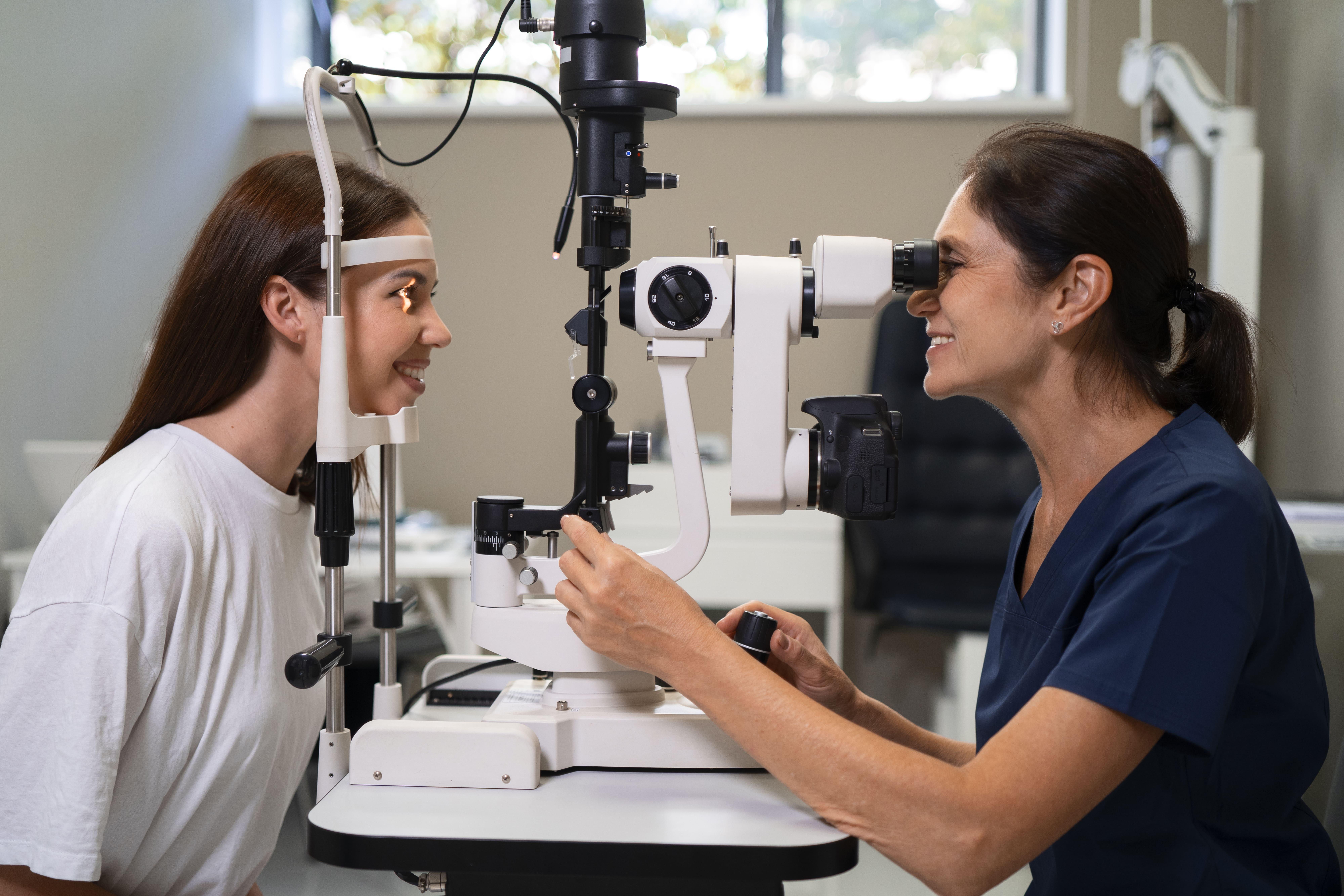
Healthy vision depends on much more than the ability to see clearly. Many eye conditions begin with small structural changes that are impossible for patients to notice without professional evaluation. These early abnormalities often develop silently, producing little or no discomfort while gradually affecting important parts of the eye. Detecting these subtle changes before they progress is one of the primary goals of modern ophthalmology.
Today's eye care professionals rely on advanced diagnostic techniques that provide detailed visualization of delicate ocular structures. Rather than focusing only on visual acuity, they examine multiple areas of the eye to identify signs of disease, inflammation, injury, or degeneration. This comprehensive approach improves diagnostic accuracy and allows treatment to begin before significant vision loss occurs.
As preventive eye care continues to gain importance, detailed ocular assessment has become essential for preserving long-term vision and supporting better patient outcomes.
Why Subtle Changes Matter
The earliest stages of many eye diseases involve microscopic changes that cannot be detected through routine observation alone. Although these changes may appear insignificant, they often represent the beginning of conditions that can affect vision if left untreated.
Early structural abnormalities may include:
- Mild corneal irregularities
- Tear film instability
- Small inflammatory changes
- Surface tissue defects
- Early lens changes
- Minor vascular alterations
Recognizing these findings early provides valuable opportunities for timely treatment.
Looking Beyond Visual Acuity
Many patients assume that good eyesight means healthy eyes. However, visual acuity measures only one aspect of ocular function and cannot identify every developing eye condition.
A comprehensive eye assessment evaluates several important structures, including:
- Cornea
- Conjunctiva
- Iris
- Lens
- Tear film
- Anterior chamber
Careful examination of these structures enables clinicians to identify abnormalities before they affect visual performance.
The Importance of Early Detection
Preventive ophthalmology is built on the principle of identifying disease before symptoms become severe. Detecting subtle abnormalities early allows clinicians to begin treatment while conditions are still easier to manage.
Early diagnosis offers several benefits:
- Faster treatment
- Better visual outcomes
- Reduced disease progression
- Lower risk of complications
- Improved long-term eye health
Prompt intervention often prevents minor conditions from developing into more serious disorders.
Comprehensive Evaluation Improves Diagnostic Accuracy
Detailed examinations provide clinicians with a complete understanding of ocular health rather than relying solely on patient-reported symptoms.
Comprehensive assessments help clinicians:
- Confirm clinical findings
- Differentiate similar disorders
- Detect hidden abnormalities
- Evaluate tissue integrity
- Develop personalized treatment plans
Greater diagnostic accuracy results in more effective patient care and improved clinical outcomes.
Advanced Technology Strengthens Clinical Evaluation
Modern ophthalmology has benefited greatly from advances in diagnostic technology. High-resolution instruments provide enhanced magnification and illumination that reveal details invisible during routine vision screening.
Advanced technology allows clinicians to:
- Observe microscopic tissue changes
- Monitor disease progression
- Evaluate healing responses
- Improve examination consistency
- Increase diagnostic confidence
These innovations have significantly improved the quality of ophthalmic care.
Reliable Diagnostic Equipment Supports Better Patient Care
The quality of diagnostic equipment directly influences examination precision and clinical decision-making. Reliable ophthalmic instruments enable clinicians to evaluate delicate eye structures with exceptional clarity.
Companies such as Matronix Optotechnik provide advanced ophthalmic diagnostic solutions designed to support comprehensive anterior segment evaluations. Their equipment enables eye care professionals to perform detailed examinations, improve diagnostic confidence, enhance clinical workflow efficiency, and support accurate treatment planning across a wide range of ophthalmic practices.
Dependable technology contributes to delivering consistent and high-quality patient care.
Detailed Observation Reveals Early Ocular Changes
Careful visualization of the anterior segment allows clinicians to identify subtle abnormalities that may otherwise remain undetected during basic eye examinations.
During evaluation, practitioners carefully observe:
- Corneal transparency
- Surface smoothness
- Tear film quality
- Tissue inflammation
- Lens clarity
- Structural integrity
During a comprehensive Slit Lamp Test, clinicians closely examine the cornea, conjunctiva, iris, lens, and anterior chamber under focused illumination and magnification, allowing them to detect early structural changes that support accurate diagnosis and timely treatment before vision becomes affected.
This level of precision plays an important role in preventive ophthalmology.
Continuous Monitoring Preserves Vision
Some ocular conditions require regular follow-up to monitor gradual changes over time. Establishing baseline examination findings allows clinicians to recognize even small differences during future visits.
Long-term monitoring helps:
- Evaluate disease progression
- Measure treatment effectiveness
- Detect emerging complications
- Adjust management strategies
- Preserve visual function
Routine monitoring ensures patients continue receiving appropriate care throughout every stage of treatment.
Patient Awareness Supports Preventive Care
Educating patients about routine eye examinations encourages earlier detection of disease. Individuals who understand the importance of comprehensive assessments are more likely to seek professional care before symptoms become serious.
Patient education promotes:
- Regular eye examinations
- Better treatment adherence
- Earlier reporting of symptoms
- Greater understanding of ocular health
- Improved long-term vision protection
An informed patient is more likely to benefit from preventive eye care.
The Future of Early Ocular Detection
The future of ophthalmology continues to focus on improving diagnostic precision through technological innovation. Emerging diagnostic systems are expected to detect even smaller abnormalities while increasing examination efficiency.
Future developments may include:
- Artificial intelligence-assisted diagnostics
- Automated abnormality recognition
- High-resolution digital imaging
- Predictive disease analysis
- Integrated diagnostic platforms
These innovations will continue improving early detection while strengthening the quality of patient care.
Conclusion
Detecting subtle changes in ocular health is fundamental to preserving long-term vision and preventing serious eye disease. Comprehensive examinations supported by advanced diagnostic technology allow eye care professionals to identify early abnormalities before symptoms become noticeable. Through accurate assessment, timely intervention, and continuous monitoring, modern ophthalmology provides patients with the best opportunity to maintain healthy vision and achieve positive long-term outcomes.
Catégories
Lire la suite
Decentralized Finance (DeFi) has evolved from an experimental corner of Web3 into a highly competitive global financial ecosystem. In 2026, thousands of protocols are competing simultaneously for liquidity, users, attention, and long-term trust. While innovation in smart contracts, tokenomics, and cross-chain infrastructure continues to accelerate, the real bottleneck for most early-stage...

Introduction Chandeliers are more than just lighting fixtures - they are luxury centerpieces that define elegance in homes, hotels, villas, restaurants, and commercial spaces. However, in a city like Dubai, where dust, humidity, and air particles accumulate quickly, maintaining the sparkle of chandeliers becomes a real challenge. Over time, dirt buildup dulls their shine and reduces their...

James Brewer - Founder Reps2Beat And AbMax300 Fitness success is often portrayed as a result of extreme effort. Many people believe the path to a stronger body requires longer workouts, heavier weights, and constant intensity. While dedication certainly plays a role in physical development, the reality is that sustainable progress is rarely built on intensity alone. The individuals who achieve...

If you’re already dreaming about where to go next year, 2026 is shaping up to be an incredible year for travelers. With more flight routes reopening and new experiences emerging worldwide, long-haul travel is back in full swing. Whether you crave exotic beaches, cultural adventures, or urban exploration, here are 13 exciting long-haul holiday destinations to inspire your next...