


4 Reasons Your Trade License Application Is Delayed
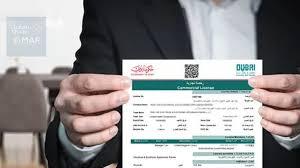
Getting your trade license approved sounds straightforward, until it isn't. You submit your documents, wait, and then… nothing. Or worse, a rejection letter that sends you back to square one. If you've been there, you're not alone. Delays in trade license applications are incredibly common, and most of the time, they're avoidable.
The good news? Once you know what's causing the holdup, you can fix it fast. This post breaks down the four most common reasons trade license applications get stuck—and what you can do about each one.
How the Best Business Consultants in Dubai Help You Avoid Document Mistakes
Here's the number one culprit behind delayed trade license applications: incomplete or incorrect documentation. It sounds basic, but you'd be surprised how many applications get flagged simply because a passport copy is expired, a signature is missing, or a form has been filled out in the wrong format.
Every emirate—and every business activity—has its own specific documentation requirements. What works for a consultancy license may not work for a trading license. The list typically includes:
- Passport copies of all shareholders and managers
- Visa and Emirates ID copies (where applicable)
- A completed application form (signed in the right places!)
- NOC letters, if required
- Lease agreement or Ejari certificate
Missing even one of these can put your application on hold for days or weeks. The best business consultants in Dubai will do a full document audit before submitting anything on your behalf—catching errors before the authorities do. If you're going it alone, triple-check every item on the checklist for your specific license type.
Tip: Always submit clear, high-resolution scans. Blurry or dark copies are frequently rejected by licensing departments.
Why Choosing the Wrong Business Activity Code Slows Down Business Consultancy in Dubai
This one trips up a lot of first-time applicants. Dubai's Department of Economy and Tourism (DET) has a detailed list of approved business activity codes, and you need to select the ones that accurately reflect what your business actually does.
Choosing the wrong code—or being too vague—can result in your application being sent back for clarification or, in some cases, being rejected altogether. Some activities also require additional approvals from government bodies like the Dubai Health Authority (DHA) or the Telecommunications and Digital Government Regulatory Authority (TDRA), which adds time to the process.
Business consultancy in Dubai is a prime example. The term "consultancy" covers a huge range of services, from management consulting to IT advisory to HR services. Each has its own code and may fall under different regulatory requirements. Getting this right from day one is critical.
Tip: If you're unsure which activity code applies to your business, consult the DET's official activity list or speak with a licensed business setup consultant. It's much easier to get this right upfront than to amend your license later.
The Location and Lease Agreement Problem
Your trade license isn't just about what you do—it's also about where you do it. And the details of your lease agreement matter more than most applicants expect.
A few common issues that cause delays here:
- The tenancy contract isn't registered with Ejari – This is mandatory for mainland businesses. Unregistered leases won't be accepted.
- The business activity doesn't match the zoning of the location – Not all commercial spaces are approved for all business types. A food manufacturing business, for example, cannot operate from a standard office space.
- The lease is expiring soon – Some licensing authorities won't process applications if the lease expires within a few months.
Freezone businesses face a slightly different process, since they typically lease space directly from the freezone authority. But even then, delays can occur if the desk or flexi-desk arrangement doesn't meet minimum requirements for the license type.
Tip: Before signing any tenancy contract, confirm with your licensing authority that the space is approved for your intended business activity. A signed lease on the wrong premises is a costly mistake.
Pending Approvals From External Government Authorities
Some business activities require approvals from regulatory bodies outside of the main licensing authority—and waiting on those third-party approvals is one of the most common sources of unexpected delays.
Examples include:
- Healthcare businesses – Require approval from DHA or MOHAP
- Educational institutions – Need sign-off from the Knowledge and Human Development Authority (KHDA)
- Food and beverage businesses – Require a Municipality approval
- Financial services – Subject to Central Bank or DFSA oversight
These approvals can take anywhere from a few days to several weeks, depending on the regulatory body and how complete your submission is. What makes this tricky is that many applicants don't even realize they need these extra approvals until their application is already stalled.
Tip: Research all required external approvals before you begin the licensing process. Build them into your timeline so delays don't catch you off guard.
Final Words
Trade license delays are frustrating—but they're rarely random. In most cases, they come down to documentation errors, wrong activity codes, lease issues, or missing third-party approvals. Understanding these four problem areas puts you in a much stronger position to get your license processed smoothly and on time.
If navigating all of this sounds overwhelming, working with an experienced business setup consultant in Dubai can save you a significant amount of time and stress. They know exactly what each authority expects, and they can often fast-track submissions through the right channels.
Your business idea is ready. Don't let paperwork slow it down.
Frequently Asked Questions
How long does a trade license application take in Dubai?
Standard processing times range from 3 to 10 business days for most mainland licenses. However, if external approvals are required or documents are incomplete, the process can take several weeks.
What documents are typically required for a trade license in Dubai?
You'll generally need passport copies of all shareholders, a completed application form, a tenancy contract registered with Ejari, and any activity-specific approvals. Requirements vary depending on your license type and business activity.
Can I apply for a trade license in Dubai without a physical office?
Yes. Many freezones offer flexi-desk and virtual office options that satisfy the address requirements for certain license types. Mainland businesses, however, typically require a registered physical location.
What happens if I select the wrong business activity code?
Your application may be delayed, sent back for revision, or rejected. You may also need to pay amendment fees later. It's best to verify the correct activity code before submitting.
Do I need a local sponsor to get a trade license in Dubai?
It depends. Freezone licenses allow 100% foreign ownership with no local sponsor required. For most mainland licenses, recent UAE reforms now also allow 100% foreign ownership in many sectors—though some activities still require a local service agent.
How can I speed up my trade license application?
Ensure all documents are complete and correctly formatted before submission, select the right activity codes, confirm your lease is Ejari-registered, and identify any required external approvals early. Working with a business setup consultant in Dubai is one of the most effective ways to streamline the process.
Categorie
Leggi tutto
שיקום הפה על גבי שתלים הוא אחד הטיפולים המתקדמים והמבוקשים ביותר בתחום רפואת השיניים. הטיפול מאפשר להחזיר את תפקוד הפה, לשפר את מראה החיוך ולהעניק למטופלים ביטחון עצמי ואיכות חיים טובה יותר. אם אתם מחפשים פתרון קבוע ואמין לשיניים חסרות או פגועות, שיקום הפה על גבי שתלים הוא הבחירה הנכונה עבורכם. לחץ כאן כדי ללמוד עוד על אפשרויות הטיפול ולקבל ייעוץ מקצועי מצוות מומחים. מהו שיקום הפה על...

Toto Slot Online: Mengenal Permainan Slot Digital dan Konsep Dasarnya Pendahuluan Perkembangan teknologi internet telah menghadirkan berbagai bentuk hiburan digital, salah satunya adalah toto slot online. Istilah ini sering ditemukan dalam berbagai pembahasan mengenai permainan slot yang dimainkan melalui perangkat seperti komputer, tablet, maupun smartphone. Meski populer, masih banyak orang...

Online dating in Thailand has become a normal part of adult life, especially in larger cities where work schedules are tight and privacy matters. Many people prefer starting conversations online because it allows time to understand each other without pressure. For adults who value discretion and clarity, digital platforms offer a calmer and more controlled way to meet compared to...
After a long night of celebrations, recovering from dehydration and fatigue can feel overwhelming, especially when leaving home seems difficult. Many individuals now choose Hangover-IV in Dubai because it offers convenient hydration support without the need to travel to a medical facility. When paired with a Doctor at Home service, mobile IV therapy brings professional healthcare directly to...

Finding the best running shoes can improve your comfort, performance, and confidence. Whether you run every morning, train for a marathon, walk every day, or enjoy a round of golf on weekends, choosing the right shoes makes a big difference. One brand that continues to stand out in 2026 is On. Known for its innovative technology, lightweight design, and premium comfort, On has become one of the...