


Commercial Lighting | Modern Lighting Solutions for Business Spaces
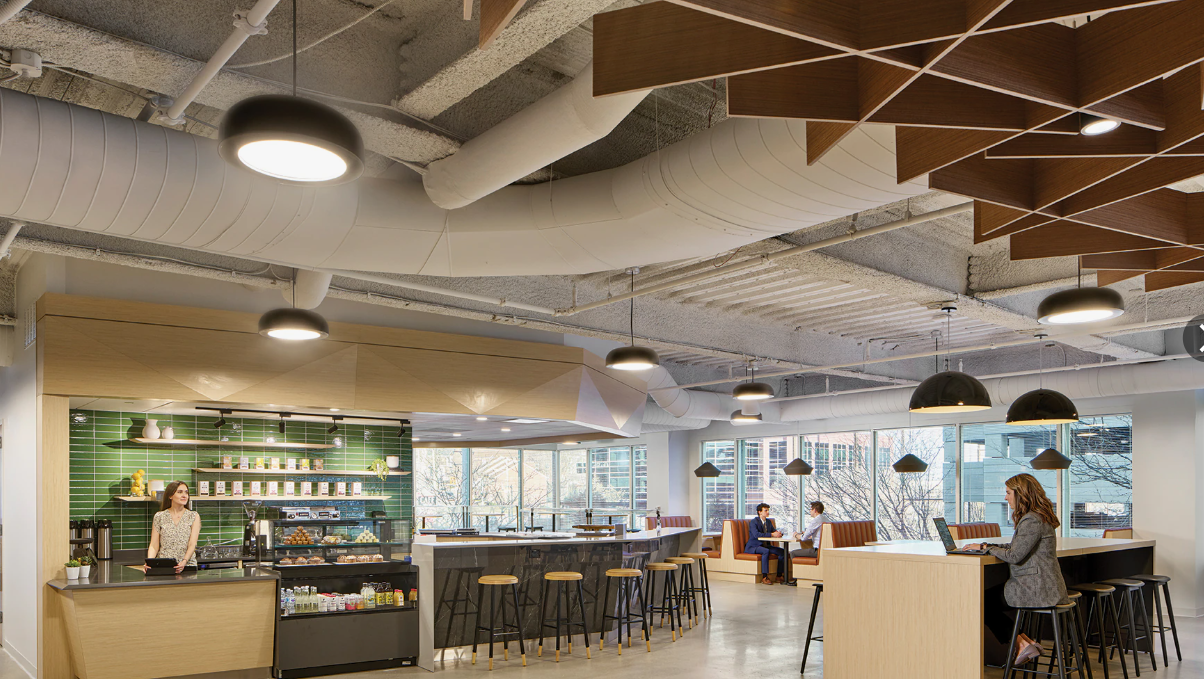
Lighting is one of the most important elements of any commercial property. From improving workplace productivity to creating an inviting customer experience, commercial lighting plays a vital role in the success of businesses across every industry. Whether you manage an office, retail store, warehouse, restaurant, healthcare facility, or educational institution, the right lighting system enhances functionality, reduces energy costs, and supports your brand image.
Modern commercial lighting combines advanced LED technology, smart controls, and energy-efficient designs to create bright, comfortable, and cost-effective environments. Investing in a well-planned lighting system not only improves visibility but also contributes to long-term operational savings.
What Is Commercial Lighting?
Commercial lighting refers to lighting systems designed specifically for business and commercial environments. These systems are engineered to provide consistent illumination while meeting the unique requirements of workplaces, public spaces, and customer-facing businesses.
Unlike residential lighting, commercial lighting focuses on durability, energy efficiency, safety, and performance in high-traffic environments.
Why Commercial Lighting Is Important
An effective lighting system offers significant benefits for both employees and customers.
Improves Employee Productivity
Proper lighting reduces eye strain, enhances concentration, and creates a comfortable workspace that supports daily operations.
Enhances Customer Experience
Well-lit commercial spaces feel more welcoming, encouraging customers to spend more time browsing products or using services.
Strengthens Brand Image
Lighting highlights architectural features, displays merchandise effectively, and creates a professional atmosphere that reflects your brand.
Increases Energy Efficiency
Modern LED lighting systems consume less electricity while delivering brighter and more consistent illumination.
Types of Commercial Lighting
Different lighting solutions serve different purposes throughout a commercial property.
Ambient Lighting
Ambient lighting provides overall illumination for offices, retail stores, and public areas.
Common fixtures include:
- LED ceiling panels
- Recessed lighting
- Surface-mounted fixtures
- Suspended LED lights
Task Lighting
Task lighting provides focused illumination for specific work areas.
Examples include:
- Desk lighting
- Under-cabinet lighting
- Reception lighting
- Workstation fixtures
Accent Lighting
Accent lighting highlights products, artwork, architectural details, or promotional displays.
Popular options include:
- Track lighting
- Spotlights
- Display case lighting
- Wall-mounted fixtures
Decorative Lighting
Decorative lighting combines function with aesthetics to enhance interior design.
Examples include:
- Pendant lights
- Chandeliers
- Wall sconces
- Designer ceiling fixtures
Commercial Lighting Applications
Every business has different lighting requirements.
Office Buildings
Offices require bright, evenly distributed lighting to support employee comfort and productivity.
Recommended solutions include:
- LED panel lighting
- Recessed fixtures
- Adjustable task lighting
Retail Stores
Retail lighting should attract customers while highlighting products effectively.
Ideal options include:
- Track lighting
- Accent lighting
- Display lighting
- LED spotlights
Warehouses
Warehouse lighting focuses on safety and visibility.
Common solutions include:
- High-bay LED fixtures
- Motion sensor lighting
- Industrial LED lights
Restaurants
Restaurants use layered lighting to create a comfortable dining atmosphere.
Popular choices include:
- Warm LED fixtures
- Pendant lighting
- Dimmable systems
- Decorative lighting
Healthcare Facilities
Medical environments require reliable, bright lighting for patient care and staff efficiency.
Typical systems include:
- LED ceiling panels
- Examination lighting
- Corridor lighting
- Emergency lighting
Educational Institutions
Schools and universities benefit from lighting that supports concentration and learning.
Recommended fixtures include:
- Classroom LED lighting
- Library task lighting
- Hallway fixtures
- Multipurpose room lighting
Benefits of LED Commercial Lighting
LED technology has transformed the commercial lighting industry.
Energy Savings
LED fixtures consume significantly less electricity than traditional lighting systems.
Long Lifespan
Quality LED lights often last for many years, reducing maintenance and replacement costs.
Better Light Quality
LEDs provide bright, consistent illumination with minimal flickering.
Environmentally Friendly
LED lighting contains no hazardous materials and helps reduce carbon emissions through lower energy consumption.
Smart Commercial Lighting Systems
Many businesses now integrate smart technology into their commercial lighting systems.
Motion Sensors
Automatically switch lights on or off based on occupancy.
Daylight Harvesting
Adjust lighting levels according to available natural light.
Programmable Controls
Schedule lighting based on business hours to improve energy efficiency.
Remote Management
Control lighting through smartphones or centralized building management systems.
Designing an Effective Commercial Lighting Plan
Successful lighting design begins with careful planning.
Evaluate Lighting Needs
Different workspaces require different brightness levels.
Layer Lighting
Combine ambient, task, accent, and decorative lighting for balanced illumination.
Choose the Right Color Temperature
Cool white lighting enhances focus in offices, while warm lighting creates a welcoming atmosphere in hospitality settings.
Prioritize Energy Efficiency
Select LED fixtures and smart controls to reduce operating expenses.
Maintaining Commercial Lighting Systems
Routine maintenance helps maximize performance and longevity.
- Clean fixtures regularly.
- Replace damaged lights promptly.
- Inspect electrical connections.
- Upgrade outdated systems when needed.
- Schedule periodic professional inspections.
Proper maintenance ensures consistent lighting quality and reduces unexpected downtime.
Common Mistakes to Avoid
When planning commercial lighting, avoid these common issues:
- Insufficient illumination
- Over-lighting workspaces
- Ignoring task-specific lighting requirements
- Using outdated, inefficient fixtures
- Neglecting maintenance schedules
Thoughtful planning helps create an efficient and comfortable environment.
Why Professional Installation Is Essential
Professional installation ensures lighting systems operate safely and efficiently. Experienced electricians understand electrical codes, proper fixture placement, wiring requirements, and energy optimization. Expert installation also minimizes future maintenance issues and maximizes the lifespan of your lighting investment.
Conclusion
Commercial lighting is a critical investment for businesses looking to improve productivity, customer experience, energy efficiency, and workplace safety. Whether you are upgrading an office, retail store, warehouse, healthcare facility, or restaurant, modern lighting solutions provide long-term value through better performance and lower operating costs.
By combining energy-efficient LED technology, smart lighting controls, quality fixtures, and professional installation, businesses can create attractive, functional spaces that support daily operations while strengthening their brand and reducing overall energy expenses.
Категории
Больше
Bathrooms are among the most frequently used spaces in any home or commercial building, making it essential to choose wall materials that are both attractive and durable. Constant exposure to moisture, humidity, and water can quickly damage traditional wall finishes, leading to peeling paint, mould growth, and costly repairs. Fortunately, pvc marble sheet for shower walls provide a stylish,...

Building a shed is one of the smartest investments homeowners can make. Whether you need extra storage, a workshop, a garden retreat, or a custom backyard structure, choosing the right builder is the key to getting lasting value. In Central Texas, where weather conditions, property styles, and local building requirements vary, hiring the right professional requires more than simply comparing...