


What to Expect During a Home Expansion Project
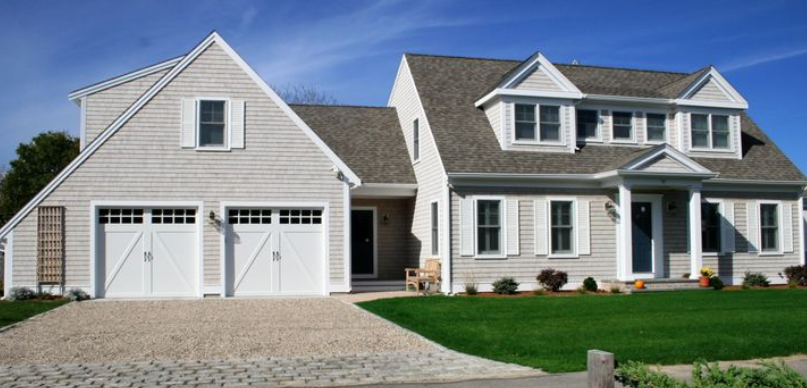
Expanding your home is an exciting opportunity to create more functional living space while increasing the value of your property. Whether you need an additional bedroom, a larger kitchen, a home office, or a spacious family room, working with experienced building additions specialists can help make the process more efficient and less stressful. Understanding what to expect during a home expansion project allows homeowners to prepare for each phase, make informed decisions, and achieve the best possible results.
Understanding Your Home Expansion Goals
Every successful home expansion begins with a clear understanding of your goals. Before construction starts, take time to identify why you need additional space and how you plan to use it. Some homeowners expand to accommodate a growing family, while others want to improve comfort, functionality, or resale value.
Common reasons for home additions include:
- Adding extra bedrooms
- Expanding the kitchen
- Creating a home office
- Building a guest suite
- Enlarging the living room
- Adding a second story
- Creating a sunroom or entertainment area
Clearly defining your objectives helps ensure the final design meets both your current and future needs.
Initial Consultation and Planning
The first stage of a home expansion project usually involves meeting with contractors, designers, or architects to discuss your ideas. During this consultation, professionals evaluate your property, review your goals, and determine what is structurally possible.
Topics often discussed include:
- Available space
- Budget expectations
- Design preferences
- Construction timeline
- Local building regulations
- Existing utility systems
This planning phase helps establish realistic expectations before work begins.
Designing the Addition
Once your project goals are established, the design process begins. The new addition should blend seamlessly with the existing structure while improving functionality.
Design considerations often include:
- Matching exterior materials
- Roof style compatibility
- Window placement
- Interior traffic flow
- Natural lighting
- Storage solutions
- Energy efficiency
A carefully designed expansion not only looks attractive but also feels like a natural extension of the original home.
Budget Development
Creating a realistic budget is one of the most important parts of any home expansion project. Costs vary depending on the size, complexity, materials, labor, and finishes selected.
Typical expenses may include:
- Design services
- Permit fees
- Foundation work
- Framing
- Roofing
- Electrical installation
- Plumbing
- HVAC modifications
- Insulation
- Flooring
- Painting
- Interior finishes
Including a contingency fund for unexpected costs helps prevent financial surprises during construction.
Obtaining Permits
Most home additions require permits before construction begins. Local building departments review the project plans to ensure they comply with zoning laws, building codes, and safety regulations.
Permit approval may involve:
- Structural review
- Electrical approval
- Plumbing approval
- Mechanical system review
- Property setback verification
Waiting for permit approval can take time, but it is an essential step that protects both homeowners and contractors.
Preparing the Construction Site
After permits are approved, contractors prepare the work area before construction starts.
Preparation often includes:
- Protecting landscaping
- Marking utility lines
- Setting up temporary fencing
- Delivering construction materials
- Installing safety barriers
- Creating equipment access routes
Proper site preparation helps improve safety and reduces disruptions throughout the project.
Foundation and Structural Work
The construction process typically begins with foundation work. Depending on the project, this may involve pouring new concrete footings, slab foundations, or crawl spaces.
After the foundation cures, crews begin structural framing, including:
- Exterior walls
- Interior walls
- Floor systems
- Roof framing
- Support beams
At this stage, homeowners can begin to see the shape of the new addition take form.
Installing Major Systems
Once the structure is framed, contractors install the home's essential systems.
These systems include:
Electrical
Electricians install wiring, outlets, switches, lighting fixtures, and electrical panels if upgrades are needed.
Plumbing
Plumbers install water supply lines, drainage pipes, and fixtures for kitchens, bathrooms, or laundry rooms.
Heating and Cooling
HVAC professionals extend existing heating and cooling systems or install new equipment to ensure consistent comfort throughout the expanded space.
Proper installation of these systems is critical before walls are closed.
Inspections During Construction
Throughout the project, local inspectors visit the property to verify that construction meets applicable building codes.
Inspections may cover:
- Foundation
- Structural framing
- Electrical systems
- Plumbing systems
- HVAC installations
- Insulation
Passing inspections allows construction to move forward while ensuring the work meets required safety standards.
Interior Finishing
After inspections are complete, contractors begin transforming the framed structure into finished living space.
Interior finishing often includes:
- Drywall installation
- Painting
- Flooring
- Trim work
- Interior doors
- Cabinets
- Countertops
- Tile installation
- Lighting fixtures
These finishing touches give the addition its final appearance and make it ready for everyday use.
Exterior Completion
The outside of the addition is completed to match the rest of the home.
Exterior work may involve:
- Siding installation
- Roofing
- Gutters
- Exterior paint
- Brick or stone veneer
- Windows
- Doors
- Landscaping restoration
A well-executed exterior creates a cohesive appearance that enhances curb appeal.
Living Through Construction
Homeowners should expect some temporary inconveniences during construction.
These may include:
- Noise
- Dust
- Limited access to certain rooms
- Temporary utility interruptions
- Increased worker activity
Maintaining open communication with your contractor helps minimize disruptions and keeps the project moving smoothly.
Project Timeline Expectations
The duration of a home expansion depends on several factors, including project size, weather conditions, permit approvals, and material availability.
Smaller additions may take several weeks, while larger or more complex projects can require several months. Establishing a realistic schedule at the beginning helps homeowners plan accordingly.
Communication Throughout the Project
Regular communication is one of the keys to a successful home expansion.
Homeowners should receive updates regarding:
- Construction progress
- Schedule changes
- Material selections
- Inspection results
- Budget adjustments
- Unexpected challenges
Frequent discussions allow issues to be resolved quickly and reduce misunderstandings.
Final Walkthrough
As construction nears completion, the contractor conducts a final walkthrough with the homeowner.
During this inspection, you should verify:
- Fixtures operate properly
- Doors and windows function smoothly
- Paint and finishes meet expectations
- Flooring is properly installed
- Electrical outlets work correctly
- Plumbing fixtures function without leaks
Any remaining minor issues are typically added to a punch list for completion before the project officially concludes.
Long-Term Benefits of a Home Addition
A professionally completed home expansion offers lasting advantages beyond simply adding square footage.
Some long-term benefits include:
- Increased property value
- Improved functionality
- Enhanced comfort
- Better space utilization
- Greater flexibility for changing family needs
- Modernized living areas
- Improved energy efficiency with updated materials
When thoughtfully planned, a home addition becomes an investment that serves homeowners for many years.
Conclusion
A home expansion project involves careful planning, detailed design, skilled construction, and ongoing communication from start to finish. Understanding each phase helps homeowners prepare for the process and make confident decisions along the way. From the initial consultation to the final walkthrough, every step contributes to creating a space that complements your existing home while meeting your evolving lifestyle needs. By partnering with experienced building additions specialists, homeowners can navigate the construction process more smoothly and enjoy a finished addition that adds comfort, functionality, and long-term value to their property.
Categorias
Leia Mais
Understanding the different types of travel insurance is crucial for travelers. The travel insurance market offers various policies tailored to meet diverse needs, ensuring that travelers can find coverage that aligns with their specific requirements. Each type of travel insurance policy serves a unique purpose, providing protection against a range of potential risks associated with travel....

Botox has become one of the most widely chosen non-surgical cosmetic treatments for individuals seeking smoother, younger-looking skin without invasive procedures. Its popularity comes not only from the visible results but also from the simplicity and predictability of the process. In modern aesthetic care, Botox Riyadh are commonly selected by individuals who want refined facial...

Buy Google Ads Account – Professional Advertising Solution for Business Growth In today’s competitive online marketplace, digital advertising has become one of the most effective ways for businesses to increase visibility, attract customers, and build a strong brand presence. Google Ads is one of the most powerful advertising platforms that allows businesses to promote their...

The software industry continues to evolve rapidly, creating strong demand for skilled Java developers and full stack professionals. Companies today are looking for candidates who not only understand programming concepts but can also build complete web applications using modern technologies. This growing industry demand has encouraged many students and working professionals to search for a...