


How Paperpals Approaches Materials and Chemical-Free Claims
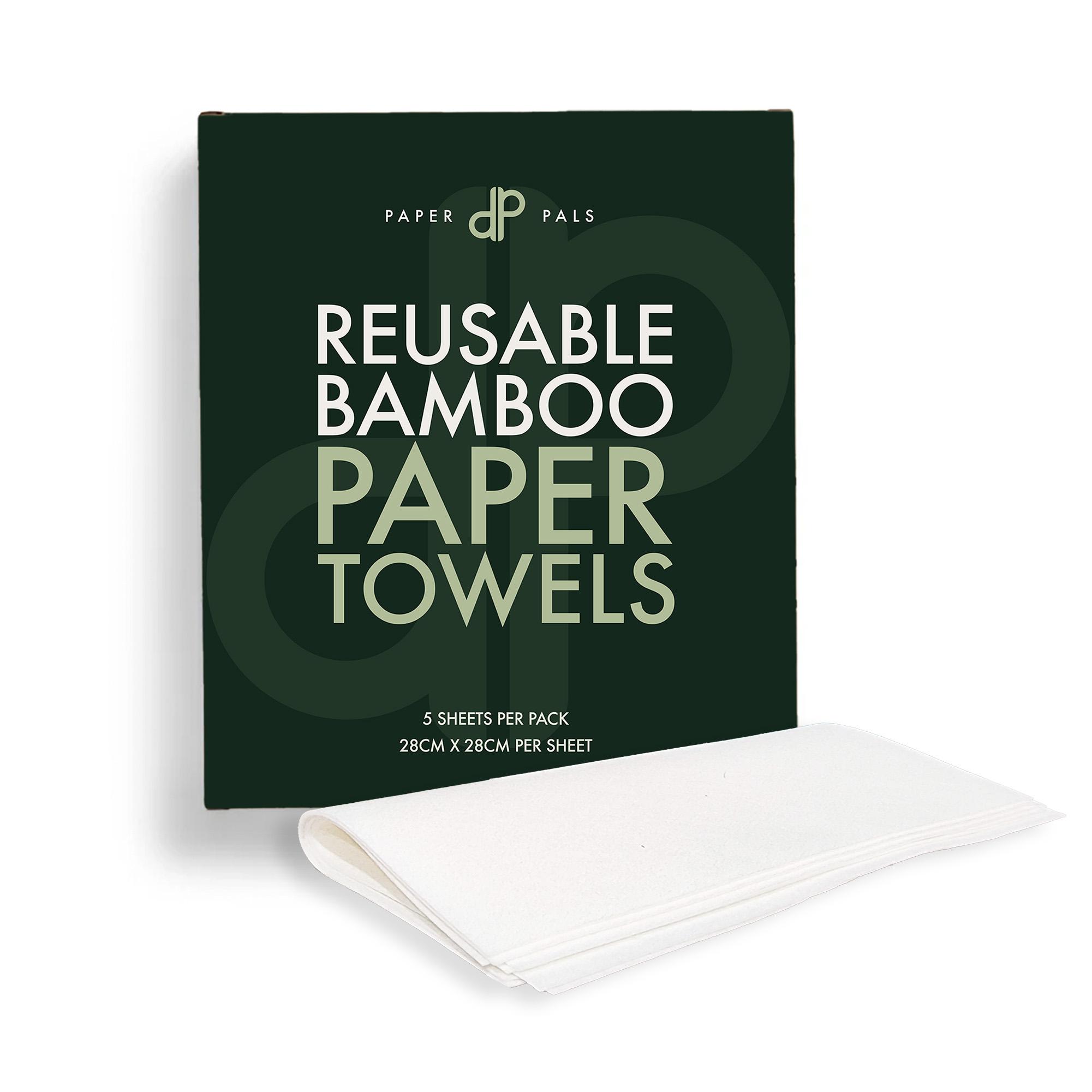
Reading the ingredient or material list behind a household cleaning product rarely gets the attention it deserves, even though the chemicals used in everyday items like paper towels touch food surfaces, hands, and faces constantly. Paperpals has built a significant part of its brand identity around exactly this issue, making specific claims about what is — and isn't — used in manufacturing its reusable bamboo paper towels.
This article looks closely at the material and chemical claims behind the brand, and how they compare to common practices across the broader paper towel industry.
What Conventional Paper Towels Typically Contain
To understand what makes a brand like Paperpals different, it helps to first understand what's typical in conventional paper towel manufacturing. Most standard paper towels are bleached using chlorine-based processes to achieve their bright white appearance, a process that can produce concerning byproducts. Many conventional products also use synthetic binding agents, including formaldehyde-based resins, to improve wet strength.
This conventional manufacturing approach is the baseline that brands like Paperpals are explicitly positioning themselves against when they highlight what their own products avoid.
What Paperpals Specifically Claims to Avoid
Paperpals markets its reusable bamboo paper towels as free from a specific list of common additives: no bleach, no chlorine whitening, no formaldehyde, no BPA, and no PFAS. This kind of explicit, itemized claim is more useful to evaluate than a vague "natural" or "eco-friendly" label, since it gives customers specific terms they can independently research and verify against industry standards.
This level of specificity matters because some brands in the reusable bamboo space use general sustainability language without clearly stating which specific chemicals their manufacturing process avoids, making direct comparison between competing products more difficult for an average customer trying to make an informed choice.
Why the Unbleached Color Matters as Evidence
One of the more interesting details in how Paperpals approaches its chemical-free claims is the towel's natural, unbleached coloring. Rather than using chlorine bleaching to achieve a bright white appearance — a step common across much of the conventional paper towel industry — the product retains its natural tone, which serves as a visible, tangible signal that no bleaching chemicals were used in its production.
This detail matters because color is one of the few claims a customer can verify just by looking at the product, rather than needing to trust a manufacturing description they have no way to independently confirm themselves.
The Distinction Between Bamboo Paper and Bamboo Fabric
It's worth noting a distinction that applies broadly across the reusable bamboo product category, not just to Paperpals specifically: some "bamboo" reusable towels on the market are actually made from rayon or viscose fabric, materials that require significantly more intensive chemical processing — including sodium hydroxide and carbon disulfide — than bamboo paper products typically need.
Understanding this distinction matters when evaluating any bamboo-based reusable product, including Paperpals, since the manufacturing process behind "bamboo paper" and "bamboo fabric" differs meaningfully in terms of chemical intensity, even though both get marketed under the broad umbrella of "bamboo."
Hypoallergenic Properties and Skin Contact
Paperpals specifically markets its towels as gentle on sensitive skin and safe for use around children, a claim tied directly to bamboo fiber's naturally hypoallergenic properties. Because the towels avoid synthetic dyes, fragrances, and harsh bleaching agents, they're positioned as suitable for tasks involving direct skin contact, like wiping a child's hands or face, where chemical residue would be a more significant concern than it might be for a purely surface-cleaning task.
Biodegradability as an End-of-Life Claim
Beyond what's absent from the manufacturing process, Paperpals also makes a specific claim about what happens to the product at the end of its usable life: that the bamboo material breaks down naturally without leaving the kind of long-term environmental residue associated with synthetic materials. This biodegradability claim is consistent with bamboo's general properties as a natural plant fiber, distinguishing it from products with plastic components or synthetic coatings that resist natural decomposition.
Why Material Transparency Matters for Comparison Shopping
When comparing Paperpals against other bamboo paper towel brands, the specificity of its chemical-avoidance claims gives customers a clearer basis for comparison than vague sustainability marketing would provide. Looking for this same level of specific, itemized transparency from any competing brand — rather than accepting general "eco-friendly" language at face value — is a reasonable standard to apply across the entire category, not just to a single company.
Verifying These Claims Directly
For customers who want to read the brand's full, current statement on materials and manufacturing claims directly, visiting Paperpals provides access to the company's own detailed product descriptions, which is generally a more reliable source than secondhand summaries when evaluating specific chemical or material claims.
Conclusion
Paperpals builds a significant part of its brand positioning around specific, itemized claims about what its reusable bamboo paper towels avoid — bleach, chlorine, formaldehyde, BPA, and PFAS — paired with a naturally unbleached appearance that serves as visible evidence supporting those claims. Understanding the distinction between bamboo paper and bamboo fabric, along with what these specific chemical-avoidance claims actually mean, gives a more informed basis for evaluating whether the brand's material approach aligns with what you're looking for in a household cleaning product.
Categorii
Citeste mai mult
Rider's to wear debut at for spring 2026 saw models glide down the runway toting cycling helmets, and should be about to hit stores maybe Lawrence should pick one up. People are still coming back asking for pieces from. did have an official account before he was appointed creative director at in March. With awards season in full swing, we can more than rely on Taylor to bring the rec carpet's...

In today’s fast-paced world, safety has become one of the top priorities for homeowners, businesses, residential societies, and commercial establishments. Rising concerns about theft, trespassing, vandalism, and emergency situations have made professional security guard service more important than ever. Whether it is a corporate office, retail store, factory, warehouse, or gated...

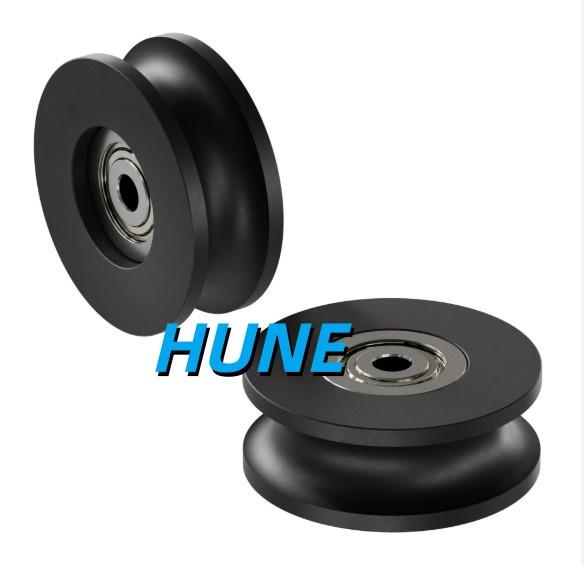
In many types of industrial equipment, the U Type Groove Pulley plays an important role in transferring motion smoothly and supporting stable operations. Its curved channel design allows it to work efficiently with cables or belts, ensuring reliable movement under different working conditions. This simple yet effective part has become a preferred choice for various applications that require...
Buy New & Old Twitter Accounts Are you looking to expand your social media presence quickly and effectively? Buying new or old Twitter accounts might be the solution you’ve been searching for. Whether you’re a business aiming to connect with a larger audience or an individual wanting to boost your personal brand, acquiring established Twitter accounts can save you time and...

For businesses that want powerful accounting software installed directly on their computers, Sage 50 Desktop remains one of the most trusted solutions available. Designed for small and medium-sized businesses, Sage 50 Desktop provides tools for managing accounting, invoicing, inventory, payroll, reporting, and financial operations from a centralized platform. Whether you're downloading...