


How to Choose the Right Legal Structure for Your UAE Business?
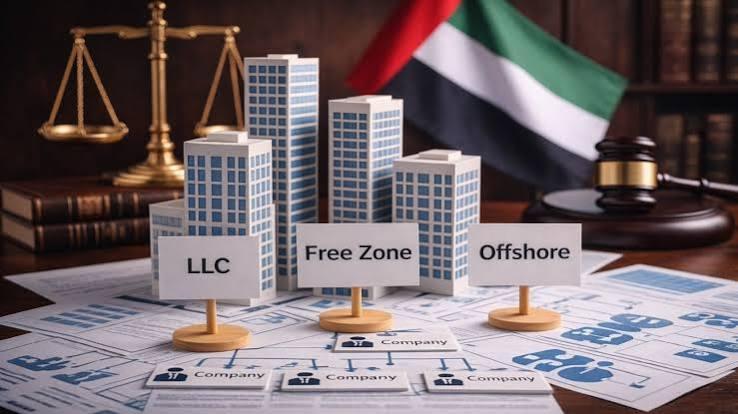
Quick answer: The right legal structure for your UAE business depends on your activity, ownership goals, and location. The main options are mainland, free zone, and offshore setups. Mainland suits companies targeting the local market, free zones offer 100% foreign ownership and tax perks, and offshore works best for international trading and asset protection.
Starting a business in the UAE is exciting—but one early decision can shape everything that follows: your legal structure. This choice affects your taxes, ownership rights, costs, and even which markets you can serve. Pick the wrong one, and you may face extra fees or limits down the road.
The good news? Once you understand your options, the decision becomes much simpler. This guide breaks down the main legal structures available in the UAE, explains who each one suits, and shares practical tips to help you choose with confidence. By the end, you'll know exactly which path fits your goals.
What Are the Main Business Structures in the UAE?
The UAE offers three primary setup options. Each one comes with its own rules, benefits, and trade-offs. Many entrepreneurs work with business setup consultants in Dubai to compare these choices, since the right fit often depends on the fine details of your business plan.
Here's a clear look at all three.
Mainland Companies
A mainland company is registered with the Department of Economic Development (DED) in the relevant emirate. This structure lets you trade freely across the UAE and bid for government contracts.
- Best for: Businesses targeting the local UAE market, such as retail shops, restaurants, and service providers.
- Key benefit: Recent reforms now allow 100% foreign ownership for many activities, removing the old need for a local sponsor.
- Things to note: You'll need physical office space, and some regulated activities still require a local partner.
Free Zone Companies
Free zones are special economic areas designed to attract foreign investment. The UAE has more than 40 free zones, each often focused on a specific industry like tech, media, or logistics.
- Best for: Startups, freelancers, and companies focused on import/export or international clients.
- Key benefit: 100% foreign ownership, full profit repatriation, and tax exemptions on many activities.
- Things to note: You generally can't trade directly in the mainland market without a local distributor or agent.
Offshore Companies
An offshore company is registered in the UAE but operates outside its borders. It's a popular choice for holding assets and managing international business.
- Best for: International trading, holding companies, and asset protection.
- Key benefit: Strong privacy, no physical office requirement, and tax efficiency.
- Things to note: Offshore firms cannot do business within the UAE local market or get UAE residency visas.
How Do You Match a Structure to Your Business Goals?
Choosing the right structure isn't about finding the "best" option overall—it's about finding the best fit for you. Experienced business consultants in UAE often start by asking a few simple questions to narrow things down. You can ask yourself the same ones.
1. Who are your customers?
If you plan to sell directly to people in the UAE, a mainland setup makes sense. If your clients are overseas, a free zone or offshore structure may save you money.
2. How important is full ownership?
Free zones have long offered 100% foreign ownership. Thanks to recent reforms, many mainland activities now do too. Confirm the rules for your specific activity before deciding.
3. What's your budget?
Free zones often have lower upfront costs, especially for small teams. Mainland setups can cost more due to office requirements but offer wider market access.
4. Do you need residency visas?
Both mainland and free zone companies can sponsor visas for owners and staff. Offshore companies cannot.
5. What's your industry?
Some free zones cater to specific sectors and offer industry-specific perks. Matching your business activity to the right zone can unlock added benefits.
Helpful Tips Before You Decide
A little planning goes a long way. Keep these practical pointers in mind as you weigh your options:
- List your activities first. Your business activity often decides which licenses and structures are available to you.
- Think about growth. Choose a structure that supports where you want to be in five years, not just today.
- Compare total costs. Look beyond setup fees. Factor in renewals, office rent, visa costs, and accounting.
- Check the trade rules. If you want to sell in the local market later, make sure your structure allows it.
- Get expert input. Rules change often in the UAE. A short chat with a specialist can save you costly mistakes.
Whether you're launching a startup, opening a branch, or registering a holding company, doing your homework on company formation, trade licenses, and ownership rules will pay off.
Frequently Asked Questions
What is the cheapest way to set up a business in the UAE?
Free zone packages are usually the most budget-friendly, especially for solo founders and small teams. Many free zones offer bundled deals that include a license, visa, and flexi-desk space. Costs vary by zone and activity, so compare a few before committing.
Can foreigners own 100% of a UAE company?
Yes. Free zones have always allowed 100% foreign ownership. Recent legal reforms now extend this to many mainland business activities as well, removing the old requirement for a local sponsor in most cases.
What's the difference between a free zone and offshore company?
A free zone company can operate inside its zone, sponsor residency visas, and rent local office space. An offshore company is meant for business outside the UAE—it offers privacy and asset protection but can't trade locally or sponsor visas.
How long does it take to register a UAE business?
Timelines vary by structure and emirate. A free zone setup can sometimes be completed in a few days, while a mainland license may take a couple of weeks depending on approvals and documentation.
Do I need a local sponsor to start a business in Dubai?
Not for most activities. With the latest ownership reforms, many mainland businesses no longer need a local Emirati sponsor. However, certain regulated or strategic activities may still require a local partner, so check your activity's rules first.
Final Words
Choosing the right legal structure is one of the smartest moves you can make as a new entrepreneur in the UAE. Your decision shapes your costs, ownership, taxes, and growth potential—so it's worth taking the time to get it right.
Start by understanding your customers, budget, and long-term goals. Then match those needs to the structure that fits best, whether that's mainland, free zone, or offshore. When in doubt, lean on professional guidance to navigate the paperwork and stay compliant with the latest regulations.
With the right foundation in place, you'll be free to focus on what really matters: building and growing your business.
Categorías
Read More
Buy Yahoo Accounts from getpvasmm.com In today’s digital age, having an online presence is more crucial than ever. Yahoo accounts are a gateway to numerous services, from email communication to news and social networking. But managing just one account can be limiting, especially for professionals or businesses that require multiple profiles. This is where the option to buy Yahoo accounts...

The Tolterodine Market Strategic Outlook Report offers a forward-looking analysis of the market's trajectory, highlighting critical trends, emerging opportunities, and potential risks. This report provides a comprehensive overview of the market's current valuation, projected growth rates, and the key factors driving change. It goes beyond static data to deliver a dynamic perspective...

Home appliances play an essential role in daily life, and among them, dryers are often overlooked until something goes wrong. Many homeowners wait until a complete breakdown occurs before calling for help, but this approach usually leads to higher costs, inconvenience, and unnecessary stress. Relying on emergency fixes or searching for dryer repair services in Pompano Beach fl only after a...

Buy GitHub Accounts Buy In the fast-paced world of tech and software development, having a strong online presence is essential. Enter GitHub, the platform where millions of developers showcase their work, collaborate on projects, and contribute to open-source initiatives. But did you know that purchasing GitHub accounts can give your business an edge? Whether you’re looking to expand your...