


Dental Crown in Bikaner: Restore Strength, Function, and Beauty to Your Smile
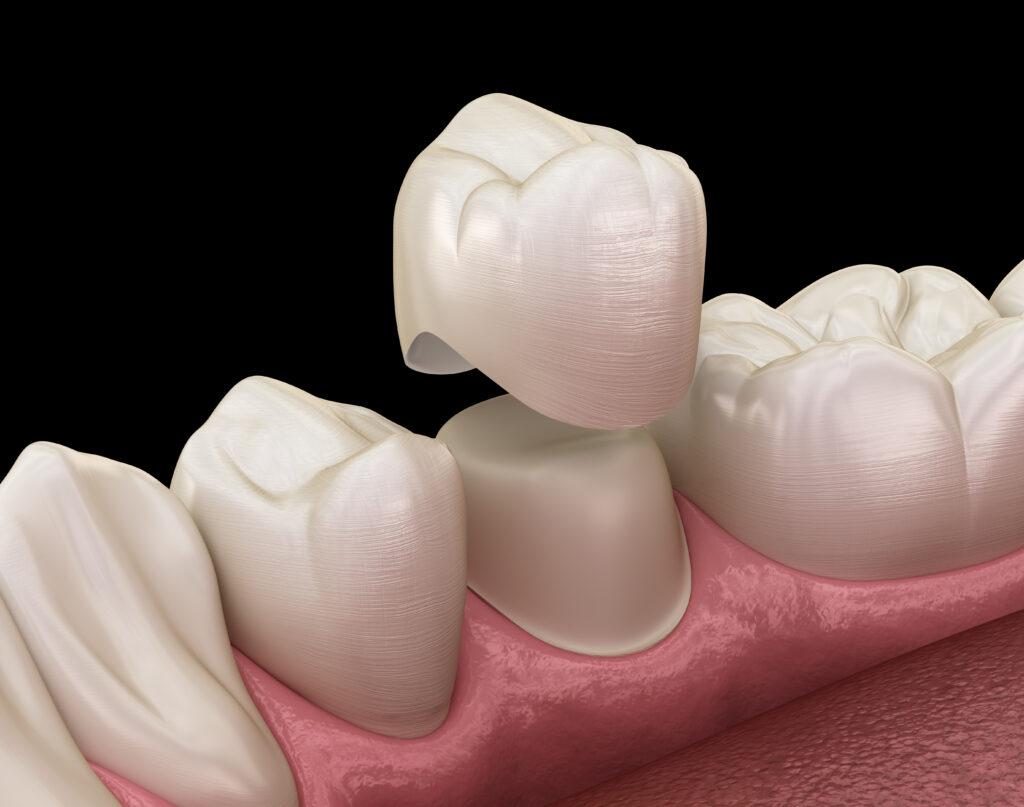
A damaged or weakened tooth can affect much more than just your appearance. It can make chewing uncomfortable, increase sensitivity, and even impact your confidence when speaking or smiling. Fortunately, modern dentistry offers an effective solution that restores both the strength and appearance of compromised teeth—dental crowns.
Dental crowns are among the most commonly recommended restorative treatments because they provide long-lasting protection while maintaining a natural look. Whether a tooth has been damaged by decay, injury, or wear and tear, a crown can help restore its function and prevent further complications.
If you are looking for a reliable solution to protect and strengthen your teeth, understanding the benefits of a dental crown in Bikaner can help you make an informed decision about your oral health.
What Is a Dental Crown?
A dental crown is a custom-made cap that completely covers a damaged or weakened tooth. It is designed to restore the tooth’s shape, size, strength, and appearance while protecting it from further damage.
Unlike fillings, which repair only a portion of a tooth, a crown covers the entire visible part of the tooth above the gum line. This makes it an ideal solution for teeth that have suffered significant damage or have become structurally weak.
Once placed, the crown functions like a natural tooth, allowing you to eat, speak, and smile comfortably.
When Is a Dental Crown Needed?
Dentists recommend crowns for a variety of dental conditions. In many cases, a crown can save a tooth that might otherwise require extraction.
You may need a dental crown if you have:
- A severely decayed tooth
- A cracked or fractured tooth
- A tooth weakened after root canal treatment
- A large filling with little natural tooth remaining
- Excessively worn-down teeth
- A misshapen or discolored tooth
- A dental implant that requires restoration
The purpose of a crown is not only to improve appearance but also to preserve the health and functionality of the affected tooth.
How Does a Dental Crown Protect Your Teeth?
When a tooth becomes weak, everyday chewing forces can increase the risk of fractures. A crown acts like a protective shield, distributing pressure evenly across the tooth and reducing the chance of further damage.
For example, after root canal treatment, a tooth often becomes more brittle because the nerve and blood supply have been removed. In such situations, placing a crown helps strengthen the tooth and significantly improves its longevity.
This protective function makes crowns one of the most valuable restorative treatments in modern dentistry.
Types of Dental Crowns
Modern dentistry offers different types of crowns, each designed to meet specific functional and aesthetic requirements.
Ceramic Crowns
Ceramic crowns are widely chosen for their natural appearance. They closely mimic the color and translucency of natural teeth, making them ideal for visible front teeth.
Advantages include:
- Excellent aesthetics
- Metal-free composition
- Natural-looking results
- Suitable for patients with metal allergies
Zirconia Crowns
Zirconia crowns have become increasingly popular because of their exceptional strength and durability.
They offer:
- High fracture resistance
- Long lifespan
- Excellent aesthetics
- Comfortable fit
Many patients prefer zirconia crowns because they combine durability with a natural appearance.
Porcelain-Fused-to-Metal Crowns
These crowns feature a metal framework covered with tooth-colored porcelain.
Benefits include:
- Strong support
- Good aesthetics
- Suitable for many restorative cases
They have been used successfully for many years and remain a reliable treatment option.
Metal Crowns
Metal crowns are highly durable and often used on molars where chewing forces are greatest.
Their advantages include:
- Outstanding strength
- Minimal tooth preparation
- Long-term durability
Because they are metallic in appearance, they are generally placed on less visible teeth.
The Dental Crown Procedure
Many patients are surprised to learn that getting a dental crown is a straightforward and comfortable process.
Initial Examination
The first step involves a detailed dental evaluation. The dentist examines the affected tooth and may take digital X-rays to assess its condition.
After confirming that a crown is the best treatment option, a personalized treatment plan is created.
Tooth Preparation
The tooth is carefully reshaped to create enough space for the crown.
This step ensures:
- Proper fit
- Natural appearance
- Comfortable bite alignment
An impression or digital scan is then taken to create the custom crown.
Temporary Crown Placement
While the permanent crown is being fabricated, a temporary crown may be placed to protect the prepared tooth.
Final Crown Placement
Once the custom crown is ready, the dentist checks its fit, color, and alignment before permanently bonding it to the tooth.
After placement, the crown feels natural and functions like a healthy tooth.
Benefits of Dental Crowns
Dental crowns offer both functional and cosmetic advantages, making them one of the most versatile dental treatments available.
Some key benefits include:
- Restoring tooth strength
- Improving chewing ability
- Enhancing smile aesthetics
- Protecting damaged teeth
- Supporting long-term oral health
- Preventing further fractures
- Providing natural-looking results
Many patients notice an immediate improvement in both comfort and confidence after treatment.
Are Dental Crowns Painful?
A common concern among patients is whether the procedure will be painful.
The good news is that dental crown treatment is generally comfortable. Local anesthesia is used during tooth preparation to ensure a pain-free experience. Some mild sensitivity may occur for a short period after treatment, but it usually resolves quickly.
Modern dental techniques have made crown procedures far more comfortable than many people expect.
How Long Do Dental Crowns Last?
The lifespan of a dental crown depends on several factors, including oral hygiene, chewing habits, and the material used.
With proper care, many crowns can last between 10 and 15 years, while some remain functional for even longer.
To maximize the lifespan of your crown:
- Brush twice daily
- Floss regularly
- Avoid chewing ice or hard objects
- Visit your dentist for routine checkups
- Address teeth grinding if present
Proper maintenance plays a significant role in ensuring long-term success.
Caring for Your Dental Crown
Although crowns are highly durable, they still require good oral hygiene practices.
Maintaining healthy gums around the crown is particularly important because gum disease can affect the stability of the restored tooth.
Daily care should include:
- Thorough brushing
- Regular flossing
- Professional cleanings
- Healthy dietary habits
A well-maintained crown can continue to look and function beautifully for many years.
Dental Crowns and Cosmetic Dentistry
In addition to restoring damaged teeth, crowns are often used to improve smile aesthetics. Teeth that are severely discolored, misshapen, or uneven can be transformed with custom-designed crowns.
Modern crown materials allow dentists to create restorations that blend naturally with surrounding teeth, resulting in a smile that looks attractive and balanced.
This combination of function and beauty makes crowns an important part of both restorative and cosmetic dentistry.
Why Choose Professional Dental Crown Treatment in Bikaner?
Successful crown treatment depends on accurate diagnosis, quality materials, and precise placement. An experienced dentist carefully evaluates your dental condition and selects the most suitable crown type based on your needs.
Professional treatment ensures:
- Proper fit and comfort
- Natural appearance
- Long-lasting durability
- Improved oral function
- Personalized care
Choosing a trusted dental clinic can significantly influence the quality and longevity of your results.
Final Thoughts
A damaged tooth does not necessarily mean losing your smile or compromising your oral health. Dental crowns provide a reliable and effective solution for restoring weakened, broken, or heavily restored teeth while preserving their function and appearance.
Whether you need protection after a root canal, restoration of a cracked tooth, or a cosmetic improvement, a dental crown in Bikaner can help restore confidence in your smile. With modern materials and advanced techniques, today's crowns offer strength, durability, and aesthetics that closely resemble natural teeth.
Investing in timely dental treatment can protect your oral health and ensure that your smile remains strong, healthy, and beautiful for years to come.
الأقسام
إقرأ المزيد
Weapons are the main line of defense between you and any enemy you come across in Arc Raiders. While you have some secondary equipment and even your teammates to help you survive, it's the weapons that you take with you into every drop that will largely determine if you extract unscathed or not. For that reason, you'll need to know how to ARC Raiders BluePrints upgrade your weapons in Arc...

Generating high quality leads has become one of the biggest priorities for modern B2B organizations. Businesses no longer want large volumes of unqualified prospects that rarely convert into customers. Instead, marketing teams are focusing on attracting decision makers who show genuine purchasing intent and long term business potential. This shift has increased the importance of b2b...

The IPL 2026 season has reached a critical turning point, and today—Thursday, April 30, 2026—all eyes are on the Narendra Modi Stadium. Tonight at 7:30 PM IST, Match 42 features a massive showdown between the Gujarat Titans (GT) and the table-toppers, Royal Challengers Bengaluru (RCB). With RCB currently sitting at 2nd on the points table and Gujarat fighting to break into the top...

Preparing for a move can feel overwhelming, but with the right approach, you can turn a stressful situation into a smooth and manageable transition. Many homeowners rely on professional Packing Services in Norwalk, CA to simplify the process, but even with expert help, good organization before moving day makes a world of difference. Proper planning not only saves time and money but also ensures...

Think about the last time you got a message that actually made you stop and pay attention. Chances are, it was not a text. It was a voice — someone speaking directly to you, making you feel like the message was meant for you and nobody else. That is the power bulk voice call services are bringing to businesses across India right now. We live in a world full of unread messages. Inboxes are...