Best Antiseptics for Chronic Wound Cleaning
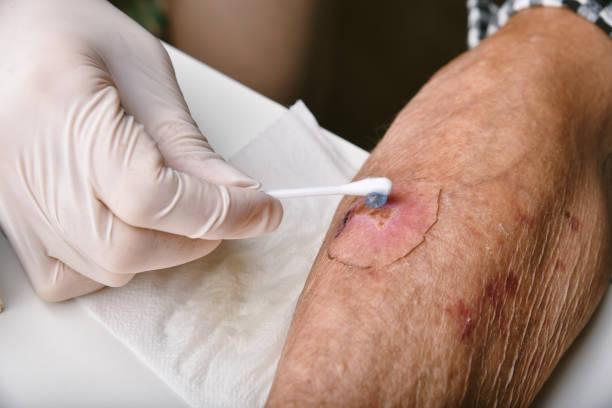
Chronic wounds require careful and consistent cleaning to prevent infection and support proper healing. One of the most important steps in wound care is the use of antiseptics, which help reduce or eliminate harmful microorganisms on the wound surface. Choosing the right antiseptic is essential because strong or inappropriate solutions can damage healthy tissue and delay recovery.
In modern clinical practice, Chronic wound care Riyadh often includes medically approved antiseptic solutions as part of a structured wound care plan. These are selected based on wound type, severity, and infection risk to ensure safe and effective healing.
- Helps reduce bacterial load in wounds
- Prevents infection development
- Supports faster tissue healing
- Maintains a clean wound environment
Why Antiseptics Are Important in Wound Care
Antiseptics play a key role in preventing infection and maintaining wound hygiene. Chronic wounds are especially vulnerable because they remain open for long periods.
Key Benefits
- Kills or reduces harmful bacteria
- Prevents infection spread
- Supports healing process
- Reduces complications in chronic wounds
Saline Solution (Normal Saline)
Normal saline is one of the safest and most commonly used wound cleaning solutions.
Features
- Non-toxic and gentle on tissues
- Does not damage healthy cells
- Ideal for routine cleaning
Best Use
- Daily wound irrigation
- Sensitive or delicate wounds
Povidone-Iodine
Povidone-iodine is a widely used antiseptic with strong antimicrobial properties.
Features
- Effective against bacteria, viruses, and fungi
- Fast-acting antiseptic solution
- Common in clinical settings
Best Use
- Infected or high-risk wounds
- Initial wound cleaning stages
Considerations
- Should be used under medical supervision
- Prolonged use may affect healing tissue
Chlorhexidine Solution
Chlorhexidine is a powerful antiseptic known for its long-lasting action.
Features
- Broad-spectrum antimicrobial effect
- Long-lasting protection
- Effective in preventing reinfection
Best Use
- Surgical wounds
- Chronic infected wounds
Hydrogen Peroxide
Hydrogen peroxide is sometimes used for initial cleaning but with caution.
Features
- Releases oxygen bubbles to remove debris
- Helps clean surface contamination
Limitations
- Can damage healthy tissue if overused
- Not recommended for long-term use
Silver-Based Antiseptics
Silver-based products are modern antiseptics used in advanced wound care.
Features
- Strong antimicrobial activity
- Effective against resistant bacteria
- Supports healing in chronic wounds
Best Use
- Long-term non-healing wounds
- Infection-prone ulcers
Honey-Based Medical Dressings
Medical-grade honey is a natural antiseptic with healing properties.
Features
- Antibacterial and anti-inflammatory
- Maintains moist wound environment
- Promotes tissue regeneration
Best Use
- Mild to moderate chronic wounds
- Slow-healing ulcers
Choosing the Right Antiseptic
The selection of antiseptic depends on multiple factors.
Key Considerations
- Type and severity of wound
- Presence of infection
- Patient’s skin sensitivity
- Medical history
In specialized care, Chronic Wounds Treatment in Riyadh ensures antiseptics are chosen carefully to avoid tissue damage and promote optimal healing outcomes.
Importance of Professional Guidance
Not all antiseptics are suitable for every wound. Incorrect use can delay healing or worsen the condition.
Why Medical Supervision Matters
- Ensures safe product selection
- Prevents overuse or misuse
- Supports faster recovery
- Reduces complications
Conclusion
Antiseptics are an essential part of chronic wound care, helping prevent infection and maintain a clean healing environment. However, their effectiveness depends on correct selection and proper use. With professional guidance and appropriate wound care strategies, patients can achieve faster and safer recovery while minimizing complications.
Book an Appointment
If you are dealing with a slow-healing or infected wound, expert care is essential for proper treatment. At Royal Clinic Saudia, patients receive advanced wound cleaning and antiseptic management tailored to their condition. Booking an appointment ensures safe, effective, and timely wound care support.
FAQs:
What is the safest antiseptic for chronic wounds?
Normal saline is considered the safest option for routine wound cleaning as it does not damage healthy tissue.
Can antiseptics be used daily on chronic wounds?
Some mild antiseptics like saline can be used daily, but stronger solutions should only be used under medical supervision.
Is hydrogen peroxide good for wound healing?
It can be used for initial cleaning but is not recommended for long-term use because it may damage healthy cells.
Which antiseptic is best for infected wounds?
Povidone-iodine, chlorhexidine, and silver-based products are commonly used for infected chronic wounds under medical guidance.
Kategoriler
Read More
Nonprofit organizations face unique challenges, including donor management, fundraising, volunteer coordination, grant tracking, program delivery, and community engagement. To achieve their missions efficiently, many nonprofits rely on modern Customer Relationship Management (CRM) platforms that centralize data, automate processes, and provide valuable insights. Salesforce Nonprofit Cloud is a...

Buying a tractor is a big decision for any farmer. Sonalika Sikander DI 745 III DLX tractors are known for their strength and reliability. The Sonalika Sikander DI 745 III DLX offers maximum power and long engine life. It has successfully improved hydraulics, making it perfect for various implements. It can easily handle various tasks such as ploughing, planting, and hauling, and its powerful...

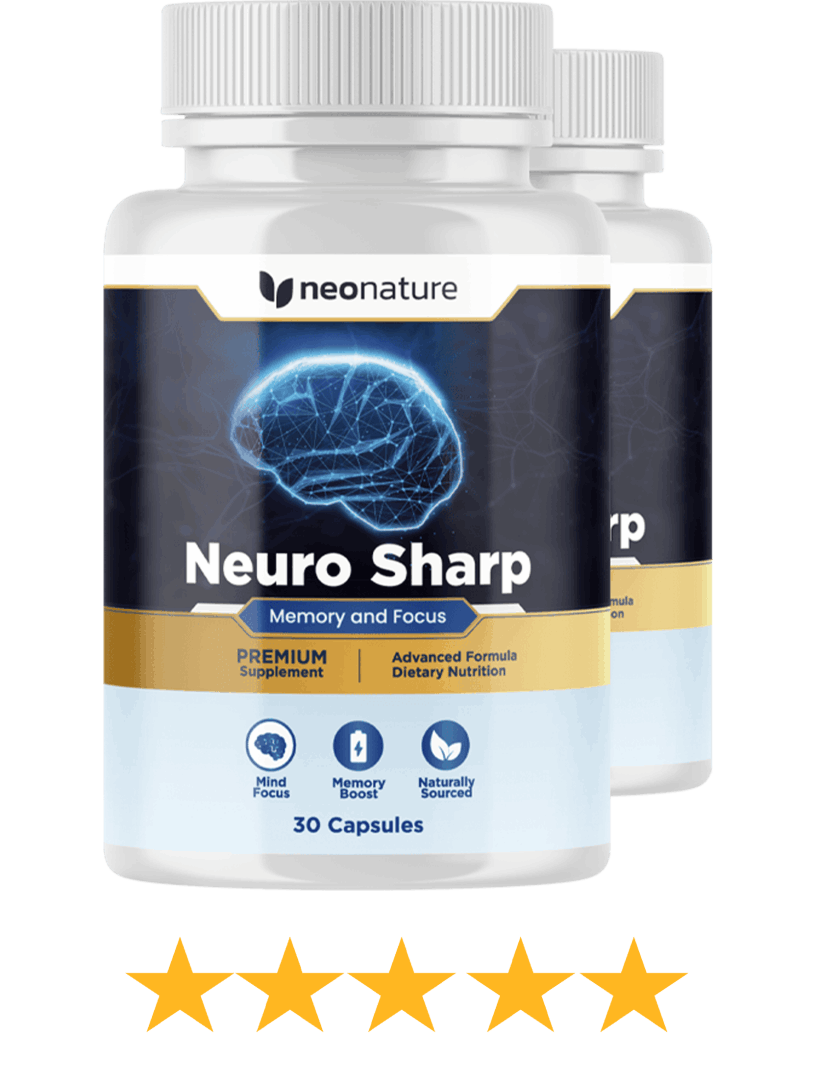
In today's busy lifestyle, maintaining mental clarity and focus has become increasingly important. Many people struggle with forgetfulness, difficulty concentrating, mental fatigue, and reduced productivity due to stress, poor sleep, and aging. As a result, brain health supplements have gained significant attention in recent years. One supplement that has attracted interest is Neuro Sharp....
Wave City Plots Layout – Well-Planned Residential Plots in Ghaziabad's Smart Township Choosing the right residential plot begins with understanding the township's layout and master planning. The Wave City Plots Layout has been thoughtfully designed to provide residents with a perfect balance of open green spaces, modern infrastructure, excellent connectivity, and premium...

تعتبر تجارة الخردة وإعادة تدوير المعادن من المجالات المهمة التي تساهم في دعم الاقتصاد وتقليل الهدر الناتج عن التخلص من المواد القديمة. تشهد مدينة الدمام نشاطًا كبيرًا في سوق السكراب بسبب وجود العديد من المصانع، الورش، المنشآت التجارية، والمنازل التي تحتوي على كميات مختلفة من المعادن والأجهزة والمعدات غير المستخدمة. لذلك أصبح الاعتماد على خدمات شراء سكراب الدمام خيارًا عمليًا للأفراد...