


Romania Post-Study Work Visa: Complete Guide
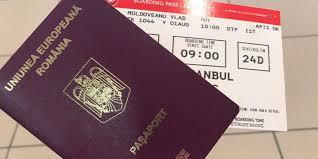
Quick answer: After finishing your studies in Romania, you can stay and work by applying for a work visa or work permit through the General Inspectorate for Immigration. Options include employment-based permits, freelance authorization, and EU Blue Cards—each suited to different career goals and qualifications.
Graduating in Romania is a huge achievement—and the good news is, your journey doesn't have to end there! Romania is quietly becoming one of Europe's most exciting destinations for young professionals. With a growing tech scene, affordable cost of living, and a welcoming job market, staying on after your studies is a smart move.
But here's the part most graduates don't know: navigating the post-study work system in Romania takes some planning. The rules differ depending on your nationality, your field of study, and the type of work you want to do. Get it right, and you'll be building your career in one of Central Europe's most promising economies.
This guide walks you through everything you need to know—from work permit types to helpful tips for making the transition as smooth as possible.
What Are the Work Visa in Romania Options for International Graduates?
Romania distinguishes between EU/EEA citizens and non-EU nationals when it comes to post-study work rights. Let's break this down clearly.
If You're an EU/EEA or Swiss National
Great news—you don't need a work permit at all! As an EU citizen, you have the automatic right to live and work anywhere within the EU, including Romania. Simply register your residency with local authorities if you plan to stay longer than three months, and you're free to start working.
If You're a Non-EU National
This is where things get a little more involved, but don't worry—it's very manageable. Non-EU graduates who completed their studies in Romania can apply for a work visa in Romania through the General Inspectorate for Immigration (IGI). The main options include:
- Temporary work permit (standard employment): For graduates who have received a job offer from a Romanian employer. Your employer typically initiates this process.
- Highly skilled worker permit (EU Blue Card): Designed for graduates in high-demand fields like IT, engineering, medicine, and finance. Requires a minimum salary threshold (currently set at 1.5x the average gross salary in Romania).
- Self-employment/freelance authorization: If you want to work independently, you can register as a PFA (Persoană Fizică Autorizată)—Romania's equivalent of a sole trader.
- Intra-company transfer permit: Relevant if you're being transferred to a Romanian branch of a multinational company.
How to Work in Romania After Graduation: Step-by-Step
Ready to make your move? Here's a straightforward roadmap to help you work in Romania after completing your degree.
Step 1: Secure a Job Offer (or Plan Your Business)
Start your job search before graduation if you can! Romanian job boards like ejobs.ro, bestjobs.eu, and hipo.ro are great places to start. LinkedIn is also widely used by Romanian employers, especially in the tech and finance sectors.
If you're going the freelance route, research your industry's demand and start building your client base early.
Step 2: Get Your Qualifications Recognized
Romania requires foreign academic qualifications to be recognized by the National Center for Recognition and Equivalence of Diplomas (CNRED). If you studied at a Romanian institution, this step is often simpler—but it's still worth confirming with your employer or industry body.
Step 3: Apply for the Right Work Permit
Your employer submits the work permit application to the IGI on your behalf for most employment-based permits. For freelance or self-employment, you'll register directly with the National Trade Register Office (ONRC).
Key documents typically required:
- Valid passport
- Proof of academic qualification
- Employment contract or proof of business activity
- Proof of accommodation in Romania
- Health insurance
Processing times vary, but standard permits usually take 30 to 60 days.
Step 4: Apply for a Long-Stay Visa (If Applicable)
If you're a non-EU national currently on a student visa, you'll need to transition to a long-stay work visa (Type D visa) while your permit is processed. This is done through the Romanian embassy or consulate in your home country—or, in some cases, from within Romania.
Step 5: Register Your Residence
Once your permit is approved, register with the local Romanian Immigration Office to receive your residence permit card. This is your official ID for living and working in the country.
What Industries Are Hiring in Romania Right Now?
Romania's job market is dynamic, and international graduates are in demand across several growing sectors:
- Information Technology (IT): Romania has one of the highest concentrations of IT professionals in Europe. Cities like Cluj-Napoca, Bucharest, and Timișoara are buzzing with tech startups and multinational companies.
- Engineering and Manufacturing: Romania's industrial sector is strong, with major automotive players like Dacia (Renault Group) and Ford operating here.
- Business Process Outsourcing (BPO): Multilingual graduates are highly sought after in customer service, finance, and HR outsourcing.
- Healthcare: There's a well-documented demand for medical professionals, especially in rural areas.
- Tourism and Hospitality: Romania's tourism industry is growing fast, particularly in areas like Transylvania and the Black Sea coast.
Helpful Tips for a Smooth Transition
Here are some practical pointers to make your post-study work journey easier:
- Start early! Don't wait until your student visa expires. Begin your job search and permit application process at least 3 months before graduation.
- Learn some Romanian. Even basic language skills go a long way in job interviews and daily life—and employers genuinely appreciate the effort.
- Use your university's career center. Many Romanian universities have partnerships with local employers specifically for international graduates.
- Check bilateral agreements. Romania has specific labor agreements with certain countries that can simplify your work permit process. Worth checking with the IGI directly.
- Keep copies of everything. Romanian bureaucracy can be document-heavy—stay organized and keep digital backups of all your paperwork.
Frequently Asked Questions
Can I stay in Romania after graduating to look for work?
Yes, but your student visa won't cover an extended job search period. You'll need to either apply for a short-term extension or transition to a job seeker visa if available. It's best to contact the IGI directly for the most current options.
How long does a Romanian work permit last?
Most temporary work permits are valid for one year and can be renewed, provided your employment contract remains active.
Can I freelance in Romania as a foreign graduate?
Absolutely! Registering as a PFA (sole trader) is a popular option for graduates in fields like design, writing, consulting, and IT. The registration process through the ONRC is relatively straightforward.
Is the EU Blue Card a good option for graduates in Romania?
The EU Blue Card in Romania is an excellent option for highly qualified graduates with a job offer that meets the salary threshold. The added benefit? It gives you greater mobility across other EU member states after 18 months.
Do I need to speak Romanian to work in Romania?
Not necessarily—many multinational companies operate in English. However, Romanian language skills significantly broaden your job options and help with daily life and administrative processes.
Final Words
Romania offers genuinely exciting post-study work opportunities for international graduates—and with the right preparation, the transition from student to professional can be smoother than you'd expect! Whether you land a role in Bucharest's booming tech sector, register as a freelancer, or pursue a highly skilled worker permit, the options are there for the taking.
The key is to start early, stay organized, and lean on the resources available to you—from your university's career center to the official guidance of the IGI. Your Romanian chapter is just beginning!
Categorias
Leia Mais
For food manufacturers entering the healthy snack segment, investing in a full automatic baked potato chips production line is a logical next step. Unlike fried snacks, baked chips offer reduced oil content and appeal to a wider consumer base, including those seeking better-for-you options. Setting up this line with the right food machine solution ensures consistency, hygiene, and...

The latest market intelligence report, titled ‘Global Anastomosis Devices Market ’, is intended to provide the target audience with the necessary information about the global Anastomosis Devices Market industry. The report comprises a detailed analysis of the vital elements of the Anastomosis Devices Market , including key drivers, constraints, opportunities,...

That beloved sofa you spent months saving up for is now showing stains, looking dull, and smelling a little less than fresh. Sound familiar? Before you start browsing furniture stores and bracing yourself for the price tags, consider that the problem might be far simpler and far less expensive to solve than you think. Same-Day Upholstery Cleaning Denver services have helped countless...

Buy Old Gmail Accounts Buy Are you exploring the digital landscape for a strategic advantage? If so, consider the potential of old Gmail accounts. They may seem like relics from a bygone era, yet they offer unique benefits that modern accounts simply can’t match. As businesses strive to build trust and credibility online, many are turning to these aged accounts as an essential tool in...