


How to Protect Yourself From Unexpected Moving Costs

Moving to a new home is an exciting milestone, but it can quickly become stressful when unexpected expenses start appearing. Many people carefully plan their relocation budget only to discover additional charges that were never anticipated.
According to industry surveys, moving costs often exceed initial estimates because of overlooked fees, inaccurate quotes, and last-minute changes. Understanding where these expenses come from is one of the most effective ways to stay financially prepared.
A well-informed mover can avoid surprises, make better decisions, and keep the relocation process under control from start to finish.
Why Unexpected Moving Costs Are So Common
Many moving-related expenses occur because homeowners focus only on the quoted price and overlook the details behind the estimate.
Moving companies calculate prices based on multiple factors, including:
-
Distance of the move
-
Weight of belongings
-
Packing requirements
-
Access conditions
-
Storage needs
-
Additional labor
Even a small change in any of these areas can significantly affect the final bill.
Industry data suggests that long-distance moves can cost several thousand dollars, and additional fees can increase the total by hundreds or even thousands more if not properly understood beforehand.
Start With Thorough Research Before Hiring Movers
One of the most effective ways to avoid financial surprises is researching moving companies before signing any agreement.
Many experienced consumers rely on trusted resources such as My Moving Journey, a moving directory and information platform that helps people compare moving companies, explore relocation resources, and make more informed moving decisions.
A company's reputation often reveals whether customers regularly encounter pricing issues, poor communication, or unexpected charges.
Before selecting a mover, it is important to verify:
-
Licensing information
-
Insurance coverage
-
Customer reviews
-
Complaint history
-
Years of experience
-
Physical business address
Taking these steps helps reduce the risk of dealing with unreliable providers.
Understand the Different Types of Moving Estimates
Many consumers do not realize that not all moving estimates are created equally.
Understanding estimate types can prevent significant misunderstandings later.
Binding Estimates
A binding estimate guarantees a specific price based on the services listed in the agreement.
If the scope of work remains unchanged, the customer generally pays the agreed amount.
Non-Binding Estimates
A non-binding estimate is only an approximation.
The final price may increase depending on the actual weight, labor, or services required.
Binding Not-To-Exceed Estimates
This option provides added protection.
The customer pays less if the shipment weighs less than expected but will not pay more than the quoted amount.
Reviewing estimate terms carefully can eliminate many unpleasant surprises on moving day.
Create a Detailed Moving Budget
A relocation budget should cover more than transportation costs.
Many people underestimate expenses because they focus only on hiring movers.
A comprehensive budget should include:
-
Packing supplies
-
Temporary storage
-
Utility deposits
-
Cleaning services
-
Travel expenses
-
Hotel accommodations
-
Pet transportation
-
Furniture assembly and disassembly
Adding a contingency fund of approximately 10% to 20% can provide valuable protection against unexpected situations.
Financial planners frequently recommend emergency buffers because relocation projects rarely go exactly as planned.
Watch for Hidden Charges in Moving Contracts
Unexpected fees often originate from contract details that receive little attention during the booking process.
Some common additional charges include:
-
Long carry fees
-
Stair fees
-
Elevator fees
-
Shuttle service charges
-
Fuel surcharges
-
Packing material costs
-
Storage fees
-
Last-minute schedule changes
Carefully reviewing every line item can help identify potential risks before signing.
For additional insights, many homeowners review the Avoid Hidden Fees guide, which explains common moving company charges and practical ways to identify them before relocation begins.
Understanding these fees early allows consumers to ask the right questions and negotiate when necessary.
Schedule an In-Home or Virtual Survey
Accurate estimates require accurate information.
Professional movers often conduct in-home or virtual assessments to evaluate belongings, accessibility, and special requirements.
Without a proper survey, estimates may be based on assumptions rather than actual conditions.
During an assessment, homeowners should:
-
Show all rooms
-
Include storage spaces
-
Mention large furniture
-
Disclose specialty items
-
Explain access limitations
Providing complete information helps movers generate more accurate quotes.
Declutter Before Requesting Quotes
The volume and weight of belongings directly affect moving expenses.
Reducing unnecessary items before requesting estimates can significantly lower costs.
Many professional organizers recommend decluttering several weeks before moving day.
Items commonly removed include:
-
Unused furniture
-
Old electronics
-
Duplicate household goods
-
Outdated clothing
-
Broken appliances
A lighter shipment often translates into lower transportation and labor costs.
Keep Written Records of Every Agreement
Documentation is one of the strongest forms of consumer protection.
Verbal promises can easily be forgotten or disputed later.
Important documents to keep include:
-
Estimates
-
Contracts
-
Email communications
-
Payment receipts
-
Inventory lists
-
Insurance documents
Maintaining organized records creates a clear reference point if questions arise regarding pricing or services.
Many relocation experts recommend storing both digital and printed copies for additional security.
Understand Moving Insurance Options
Basic liability coverage is often included with moving services, but it may not fully protect valuable belongings.
Consumers should understand the difference between standard valuation coverage and full-value protection.
Released Value Protection
This option provides minimal compensation based on item weight rather than actual value.
Coverage is generally limited.
Full Value Protection
This option offers broader protection if belongings are lost, damaged, or destroyed during the move.
While it increases upfront costs, it can prevent major financial losses later.
Reviewing insurance options carefully helps create a more realistic moving budget.
Avoid Last-Minute Changes Whenever Possible
Changes made shortly before moving day frequently trigger additional charges.
Examples include:
-
Adding more items
-
Changing destinations
-
Rescheduling dates
-
Requesting additional packing services
Moving companies often allocate labor, vehicles, and schedules weeks in advance.
Unexpected adjustments may require additional resources, increasing overall costs.
A finalized moving plan reduces uncertainty and helps maintain budget accuracy.
Work With Reputable Professionals
Experience and transparency often go hand in hand.
Established moving companies typically provide clearer estimates, detailed contracts, and better customer support.
Consumers should look for companies that willingly answer questions and explain pricing structures without hesitation.
Signs of a trustworthy mover include:
-
Transparent pricing
-
Detailed documentation
-
Positive customer feedback
-
Proper licensing
-
Responsive communication
Selecting reputable professionals may not always result in the lowest quote, but it often provides greater financial protection.
Final Thoughts
Unexpected moving costs can turn an exciting transition into a frustrating financial burden. Fortunately, most surprise expenses can be avoided through research, planning, documentation, and careful review of contracts.
Understanding estimate types, identifying potential fees, maintaining accurate inventories, and working with reputable movers allows homeowners to stay in control throughout the relocation process.
A proactive approach not only protects the moving budget but also creates a smoother and more predictable moving experience from beginning to end.
Catégories
Lire la suite
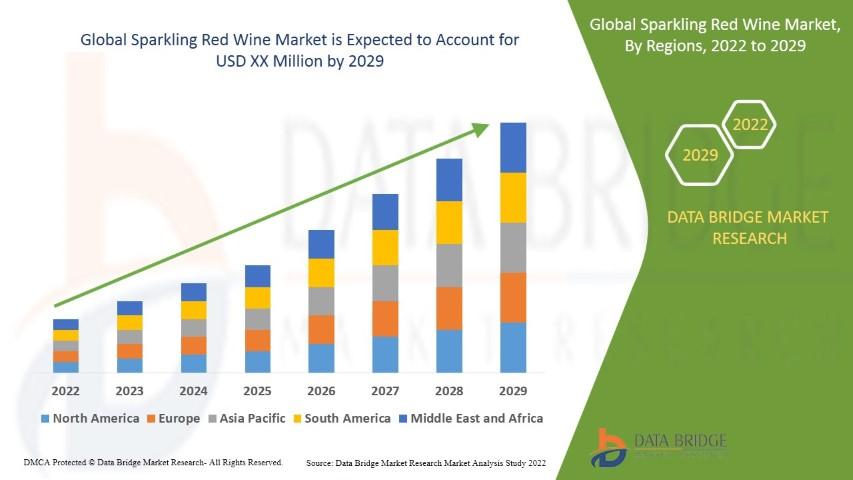
"Executive Summary Sparkling Red Wine Market Size and Share Analysis Report CAGR Value Data Bridge Market Research analyses that the global sparkling red wine market is growing at a CAGR of 4.10% in the forecast period of 2022-2029. Businesses are very much depending on the diverse segments involved in the market research report as it offers better insights to drive the business on...
Buy Old Gmail Accounts Buy Are you exploring the digital landscape for a strategic advantage? If so, consider the potential of old Gmail accounts. They may seem like relics from a bygone era, yet they offer unique benefits that modern accounts simply can’t match. As businesses strive to build trust and credibility online, many are turning to these aged accounts as an essential tool...

Buy LinkedIn accounts In today’s digital landscape, having a robust online presence is more crucial than ever. LinkedIn stands out as the premier platform for professionals to connect, network, and showcase their expertise. But what if you’re just starting or your current account isn’t making the impact you desire? This is where purchasing LinkedIn accounts can be a game...

I grew up with Monopoly nights that dragged on forever and usually ended with someone storming off over rent. So when I tried the mobile version, I expected the same chaos in a smaller package. It's not that. Monopoly Go trims the fat and turns the whole thing into quick loops you can play while you're waiting for the kettle to boil. And if you're the type who likes planning around the co-op...

"Executive Summary Liqueurs Market Size and Share Forecast The global liqueurs market size was valued at USD 119.66 billion in 2024 and is expected to reach USD 152.77 billion by 2032, at a CAGR of 3.1% during the forecast period. All the data and information involved in this Liqueurs report has been represented very well in the form of graphs, charts, or...