How Weight Classes Impact Performance in Powerlifting Competitions
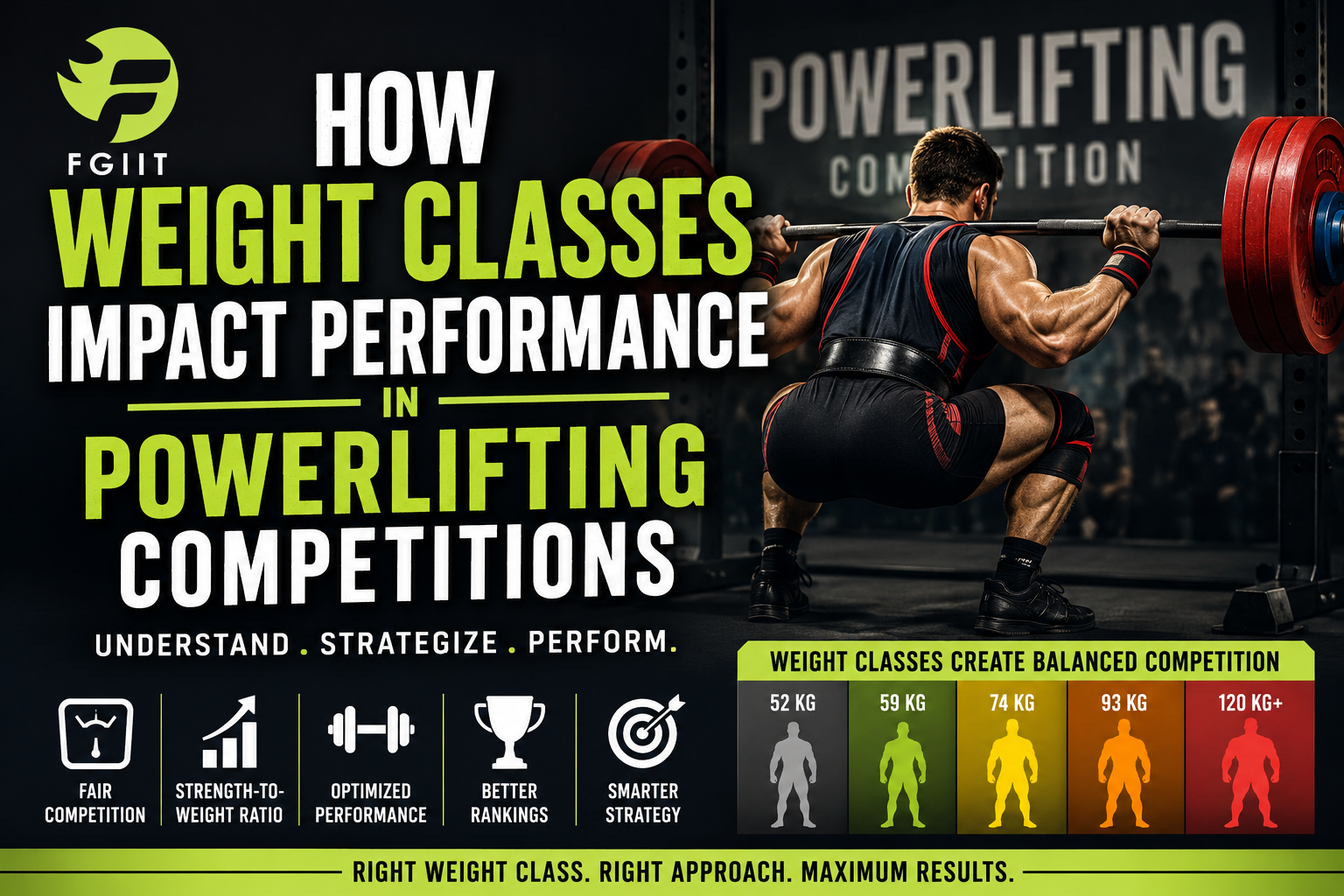
Powerlifting is one of the most exciting strength sports in the world. Unlike many other fitness activities, powerlifting weight classes on three primary lifts: the squat, bench press, and deadlift. Athletes compete by lifting the maximum weight possible in these movements. However, success in powerlifting is not determined by strength alone. One of the most important factors influencing competitive performance is the athlete's weight class.
Weight classes exist to create a fair and competitive environment where athletes of similar body weights compete against one another. Understanding how weight classes work and how they impact performance can help athletes make smarter training, nutrition, and competition decisions. Whether you are a beginner or an experienced lifter, learning about weight classes is essential for maximizing your potential on the platform.
What Are Weight Classes in Powerlifting?
Weight classes are categories that group athletes according to their body weight. Instead of having a 60 kg athlete compete directly against a 120 kg athlete, competitors are divided into specific categories to ensure fairness.
Most powerlifting federations have separate weight classes for men and women. While the exact categories may vary slightly between organizations, the principle remains the same: athletes compete against others of similar size.
Before a competition, athletes must undergo an official weigh-in. Their body weight at the time of weigh-in determines the category in which they will compete.
Why Weight Classes Matter
Weight classes significantly influence competitive performance because body weight affects strength potential. Generally, larger athletes have more muscle mass and can produce greater force. However, strength is not solely dependent on body weight.
Powerlifting competitions reward athletes who maximize their strength relative to their size. This is why choosing the right weight class can be the difference between winning a competition and finishing in the middle of the rankings.
An athlete who competes in the most suitable weight category can optimize strength, recovery, and overall performance while maintaining a competitive advantage.
The Relationship Between Body Weight and Strength
There is a strong connection between body weight and strength. As athletes gain muscle mass, they often become stronger. Increased muscle cross-sectional area allows for greater force production during lifts.
However, the relationship is not perfectly linear. Gaining excessive body weight, especially body fat, does not always translate into increased strength. In some cases, carrying extra weight may negatively affect mobility, conditioning, and recovery.
Successful powerlifters focus on building quality muscle mass while staying within a weight class that allows them to perform at their best.
Competing at a Lower Weight Class
Many athletes attempt to compete in a lower weight class through weight management strategies. The primary goal is to be one of the strongest athletes in that category.
Advantages
-
Potentially greater strength compared to lighter competitors
-
Improved competitive ranking opportunities
-
Better strength-to-bodyweight ratio
-
Increased chances of setting records within the class
Challenges
-
Energy restriction during dieting phases
-
Reduced recovery capacity
-
Risk of muscle loss
-
Possible decreases in strength if weight cuts are too aggressive
Athletes must be cautious when reducing body weight. Extreme weight cuts can negatively impact performance, particularly if recovery time before competition is limited.
Competing at a Higher Weight Class
Some athletes choose to move into a higher weight class rather than cutting weight. This approach focuses on maximizing strength gains without the stress of weight reduction.
Advantages
-
Increased calorie intake supports muscle growth
-
Better recovery between training sessions
-
Reduced stress associated with weight cutting
-
Opportunity to build long-term strength
Challenges
-
Competing against larger and stronger athletes
-
Risk of excessive fat gain
-
Potential decrease in relative strength
Moving up a weight class can be beneficial for athletes who have reached a plateau or struggle with maintaining lower body weights.
The Science of Strength-to-Weight Ratio
One of the most important concepts in powerlifting is the strength-to-weight ratio. This measures how much weight an athlete can lift relative to their body weight.
For example, a 75 kg athlete deadlifting 250 kg demonstrates exceptional relative strength. Meanwhile, a heavier athlete may lift more total weight but have a lower strength-to-weight ratio.
Powerlifting federations often use scoring systems such as DOTS or GL points to compare lifters across different weight categories. These systems reward athletes who demonstrate outstanding strength relative to their body weight.
This is why selecting the right weight class is critical. Athletes must balance absolute strength and relative strength to achieve the best competitive outcomes.
Weight Cutting and Competition Performance
Weight cutting is common in powerlifting. Athletes temporarily reduce body weight before weigh-ins to qualify for a lighter category.
Common methods include:
-
Reducing water intake
-
Lowering carbohydrate consumption
-
Manipulating sodium levels
-
Decreasing food volume before weigh-ins
While weight cutting can provide a competitive advantage, it also carries risks.
Potential Risks
-
Dehydration
-
Reduced strength output
-
Muscle cramps
-
Poor concentration
-
Slower recovery
Athletes who cut too much weight may enter competition feeling weak and fatigued. For this reason, many experienced coaches recommend gradual body composition improvements rather than drastic last-minute cuts.
Finding Your Ideal Weight Class
Choosing the right weight class requires careful evaluation of several factors.
Current Body Composition
Athletes with higher body fat percentages may benefit from moving into a lighter category while preserving muscle mass.
Strength Levels
If an athlete is highly competitive in their current class, maintaining body weight may be the best strategy.
Recovery Ability
Frequent weight fluctuations can negatively impact recovery and long-term performance. Sustainable body weight management is usually more effective.
Competition Goals
Some athletes prioritize winning local competitions, while others focus on long-term strength development and national-level success. The ideal weight class often depends on these goals.
Training Considerations for Different Weight Classes
Training programs should align with an athlete's weight-class strategy.
During a Weight Loss Phase
-
Maintain high protein intake
-
Prioritize strength preservation
-
Manage training volume carefully
-
Focus on recovery
During a Muscle-Gain Phase
-
Increase caloric intake strategically
-
Emphasize progressive overload
-
Monitor body composition regularly
-
Avoid excessive fat accumulation
Athletes who coordinate training and nutrition effectively are more likely to perform well within their chosen category.
Psychological Impact of Weight Classes
Weight classes influence not only physical performance but also mental preparation.
Athletes who constantly worry about making weight may experience increased stress and anxiety. This can affect sleep quality, recovery, and confidence leading into competition.
Competing near a natural body weight often improves focus and allows athletes to direct their energy toward performance rather than weight management.
Mental readiness is a major factor in successful competition outcomes.
Common Mistakes Athletes Make
Many lifters make errors when selecting or managing their weight class.
Some common mistakes include:
-
Cutting too much weight too quickly
-
Prioritizing scale weight over performance
-
Ignoring recovery needs
-
Comparing themselves to elite athletes with years of experience
-
Frequently changing weight classes without a long-term plan
Avoiding these mistakes can significantly improve competitive success and athlete longevity.
How FGIIT Helps Aspiring Powerlifters
Understanding weight classes is an important part of becoming a knowledgeable strength athlete or coach. Through professional fitness education, aspiring trainers can learn the science of strength training, body composition management, sports nutrition, and competition preparation.
FGIIT's fitness and strength-training education programs provide valuable insights into athlete assessment, performance optimization, and evidence-based coaching methods. These skills help future fitness professionals guide clients and athletes toward safe and effective performance improvements.
Conclusion
Weight classes play a crucial role in powerlifting competitions. They create fairness while influencing strength, recovery, nutrition, and competitive strategy. Choosing the correct weight category can help athletes maximize their performance and achieve better results on the platform.
Whether an athlete decides to move up, stay in the same category, or compete at a lower body weight, the decision should be based on long-term strength development and overall health. Smart weight management, proper training, and effective nutrition strategies are key components of powerlifting success.
For athletes and fitness professionals alike, understanding how weight classes impact performance is essential for building stronger, healthier, and more competitive lifters.
Categorie
Leggi tutto
Buy Snapchat Accounts Are you looking to boost your brand’s online presence? If so, you’ve likely considered various social media platforms. Among them, Snapchat has emerged as a powerful tool for businesses seeking to engage with younger audiences. But have you ever thought about the potential of buying Snapchat accounts? While this might sound unconventional, it can be a...

Healthy, radiant skin is often associated with youth, confidence, and overall well-being. As aesthetic treatments continue to evolve, innovative skin rejuvenation solutions are gaining popularity among individuals seeking a refreshed and revitalized appearance. One of the most advanced options available today is Salmon DNA Injections in Riyadh, a treatment designed to improve skin quality,...

New Projects in Narsingi Narsingi has emerged as one of Hyderabad's fastest-growing residential destinations, attracting homebuyers looking for modern homes in a well-connected location. The demand for New Projects in Narsingi continues to rise due to excellent infrastructure, seamless connectivity, and thoughtfully planned residential communities. Whether you are purchasing your first home or...

CoD Black Ops 7 Season 4 will be released on June 4th. Although official promotional activities haven't been released yet, it doesn't affect this article's systematic analysis of the CoD Black Ops 7 Season 4 update content.By the way, if you're also playing CoD Black Ops 7 and looking for a reliable third-party platform for the upcoming Season 4, then IGGM will be your best assistant in...

Buy Snapchat Accounts Are you looking to boost your brand’s online presence? If so, you’ve likely considered various social media platforms. Among them, Snapchat has emerged as a powerful tool for businesses seeking to engage with younger audiences. But have you ever thought about the potential of buying Snapchat accounts? While this might sound unconventional, it can be a...