Need Better Visibility into Every Vehicle Entering your Facility?
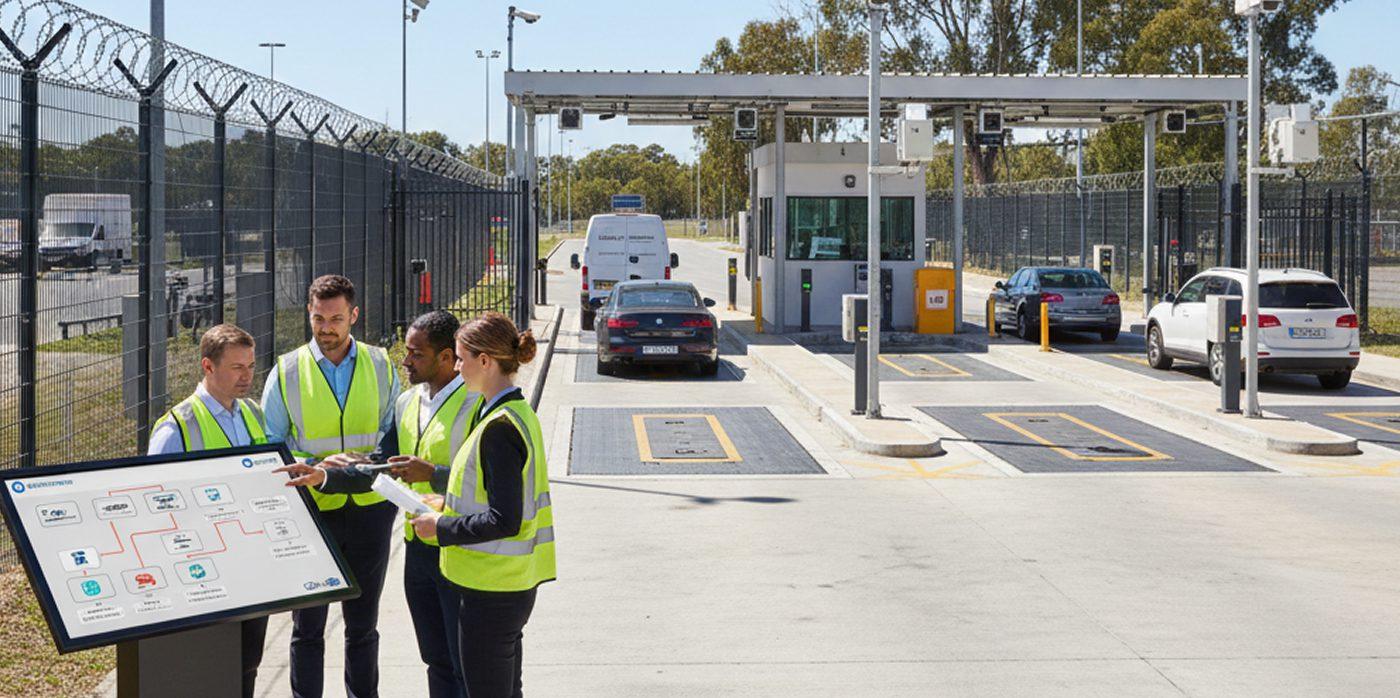
Facility security has become increasingly complex as organizations face growing challenges related to vehicle access control. Whether managing a government facility, airport, logistics hub, industrial complex, military base, or corporate campus, security teams are responsible for monitoring every vehicle that enters the property. However, as vehicle traffic increases and security threats become more sophisticated, maintaining complete visibility at entry points has become more difficult than ever.
Many organizations still rely on manual inspection methods that were designed for a much simpler security environment. While these procedures may identify obvious concerns, they often fail to provide the level of visibility needed to detect hidden threats, suspicious modifications, or unauthorized activity. As a result, facilities may unknowingly expose themselves to security risks that could compromise operations, assets, and personnel.
To address these challenges, modern organizations are adopting intelligent vehicle screening technologies that combine License Plate Recognition (LPR) systems with advanced under vehicle inspection solutions. Together, these technologies provide a more complete picture of every vehicle entering a facility, helping security teams make faster and more informed decisions.
Why Vehicle Visibility Matters More Than Ever
Vehicle entry points are among the most critical areas of any security infrastructure. Every day, facilities process numerous vehicles, including:
- Employee vehicles
- Visitor transportation
- Contractor vehicles
- Delivery trucks
- Service fleets
- Commercial transport vehicles
Each vehicle entering a facility presents a potential security concern. Security personnel must verify identities, inspect vehicles, and determine whether any risks are present before granting access.
Without complete visibility into vehicle activity, organizations may struggle to identify threats before they enter protected areas.
The Limitations of Traditional Vehicle Inspection Methods
Many facilities continue to rely on traditional security procedures such as:
- Visual inspections
- Manual access verification
- Security officer observations
- Handwritten vehicle logs
- Mirror-based undercarriage checks
Although these methods provide basic screening capabilities, they create several challenges in modern environments.
Human Error Can Lead to Missed Threats
Manual inspections depend heavily on the attentiveness and experience of individual security personnel. Even highly trained inspectors can overlook critical details during repetitive inspections.
Limited Visibility Creates Security Gaps
Certain vehicle areas remain difficult to inspect thoroughly using conventional techniques.
Inconsistent Procedures Affect Reliability
Inspection quality may vary between personnel and shifts.
Increased Traffic Causes Operational Delays
Manual inspections often slow vehicle processing and create congestion at busy entry points.
These limitations make it difficult for organizations to maintain both security and efficiency.
Hidden Threats Often Go Unnoticed
One of the most challenging areas to inspect manually is the underside of a vehicle.
Potential risks hidden beneath vehicles may include:
- Suspicious packages
- Unauthorized attachments
- Concealed devices
- Contraband
- Structural alterations
- Signs of tampering
Traditional inspection mirrors provide only limited visibility and often require additional time to inspect properly.
In facilities with heavy traffic volumes, inspectors may need to process vehicles quickly, increasing the likelihood that hidden threats remain undetected.
Why Modern Facilities Need Better Visibility
Today's security operations require more than simple visual inspections.
Organizations increasingly need solutions that can:
- Improve inspection accuracy
- Increase visibility into vehicle activity
- Reduce human error
- Support real-time threat detection
- Accelerate vehicle processing
- Maintain digital inspection records
Advanced vehicle inspection technologies help facilities achieve these goals while strengthening perimeter protection.
How Under Vehicle Inspection Enhances Security
Modern under vehicle inspection systems utilize advanced imaging technology to capture high-resolution images of vehicle undercarriages automatically as vehicles enter the facility.
This automated process provides several advantages.
Comprehensive Vehicle Visibility
Security teams gain access to detailed images that would be difficult to obtain manually.
Faster Screening Operations
Vehicles can be inspected without lengthy stops or extensive manual intervention.
Consistent Inspection Standards
Every vehicle receives the same level of scrutiny.
Improved Threat Detection
Suspicious objects and abnormalities become easier to identify.
Digital Documentation
Inspection records can be stored for audits, investigations, and future comparisons.
These capabilities significantly improve both security effectiveness and operational efficiency.
Why LPR Technology Is a Critical Security Layer
While physical inspection is important, facilities must also identify vehicles quickly and accurately.
License Plate Recognition technology automatically captures vehicle registration information as vehicles approach access points.
Benefits include:
Instant Vehicle Identification
Vehicle information is captured automatically without manual input.
Faster Access Decisions
Authorized vehicles can be processed more efficiently.
Improved Tracking and Monitoring
Facilities maintain searchable records of vehicle activity.
Enhanced Security Awareness
Vehicle information can be compared against approved databases and watchlists.
LPR technology provides valuable intelligence that strengthens access control and overall security management.
The Power of Integrating LPR and Under Vehicle Inspection
The most effective security strategies combine multiple technologies into a unified screening platform.
When LPR systems integrate with advanced under vehicle inspection technologies, facilities gain complete visibility into vehicle activity from the moment a vehicle arrives.
Integrated systems can:
- Automatically identify incoming vehicles
- Capture detailed undercarriage images
- Associate vehicle identities with inspection records
- Compare current inspections with historical data
- Generate alerts when abnormalities are detected
- Improve situational awareness for security personnel
This integration enables faster and more accurate decision-making while reducing operational burdens.
A Smarter Approach to Facility Security
As vehicle traffic increases and threats continue to evolve, organizations require security solutions capable of delivering comprehensive visibility and intelligent threat detection.
An advanced uvss system provides detailed imaging of vehicle undercarriages, helping security teams identify concealed objects, suspicious modifications, and potential threats that may be missed during traditional inspections. When integrated with LPR technology and intelligent under vehicle inspection systems, facilities gain a powerful vehicle screening solution that enhances access control, strengthens perimeter security, and improves operational efficiency through automated vehicle monitoring and real-time threat awareness.
This combination provides the visibility modern facilities need to maintain a stronger security posture.
Commport Technologies: Supporting Intelligent Vehicle Security
Commport Technologies is a trusted supplier of advanced LPR systems and innovative vehicle inspection solutions designed for modern security environments.
By integrating license plate recognition technology with intelligent under vehicle inspection systems, Commport Technologies helps organizations improve inspection accuracy, strengthen access control, and enhance perimeter security.
Its solutions are used across numerous sectors, including:
- Government facilities
- Airports
- Military installations
- Industrial complexes
- Logistics centers
- Ports and border crossings
- Critical infrastructure sites
Through advanced technology integration, organizations can create safer, smarter, and more efficient vehicle screening operations.
Conclusion
Maintaining visibility into every vehicle entering a facility is essential for effective security management. Traditional inspection methods often struggle to provide the speed, consistency, and visibility needed to identify modern threats effectively.
By integrating LPR systems with advanced under vehicle inspection technologies, organizations can improve threat detection, streamline vehicle processing, and strengthen perimeter protection. Intelligent vehicle screening solutions provide the comprehensive visibility required to secure today's facilities while supporting efficient day-to-day operations.
For organizations seeking stronger access control and enhanced situational awareness, investing in intelligent vehicle inspection technology has become an essential step toward modern facility security.
Categorii
Citește mai mult
Introduction Small and growing businesses often focus on increasing sales, attracting customers, and managing daily operations. Tax planning can sometimes receive less attention, even though taxes can have a significant effect on profitability and cash flow. Corporate tax planning helps businesses prepare for tax obligations while identifying legitimate opportunities to manage costs. With...

Buy Old Gmail Accounts Buy Are you exploring the digital landscape for a strategic advantage? If so, consider the potential of old Gmail accounts. They may seem like relics from a bygone era, yet they offer unique benefits that modern accounts simply can’t match. As businesses strive to build trust and credibility online, many are turning to these aged accounts as an essential tool in...

Choosing the right Hair Transplant Clinic in Lahore is an important decision for anyone experiencing hair loss, thinning hair, or a receding hairline. For Pakistani men and women, hair concerns can affect confidence, appearance, and everyday social life. Lahore has become a leading destination for modern aesthetic and hair restoration services, offering advanced techniques, experienced...

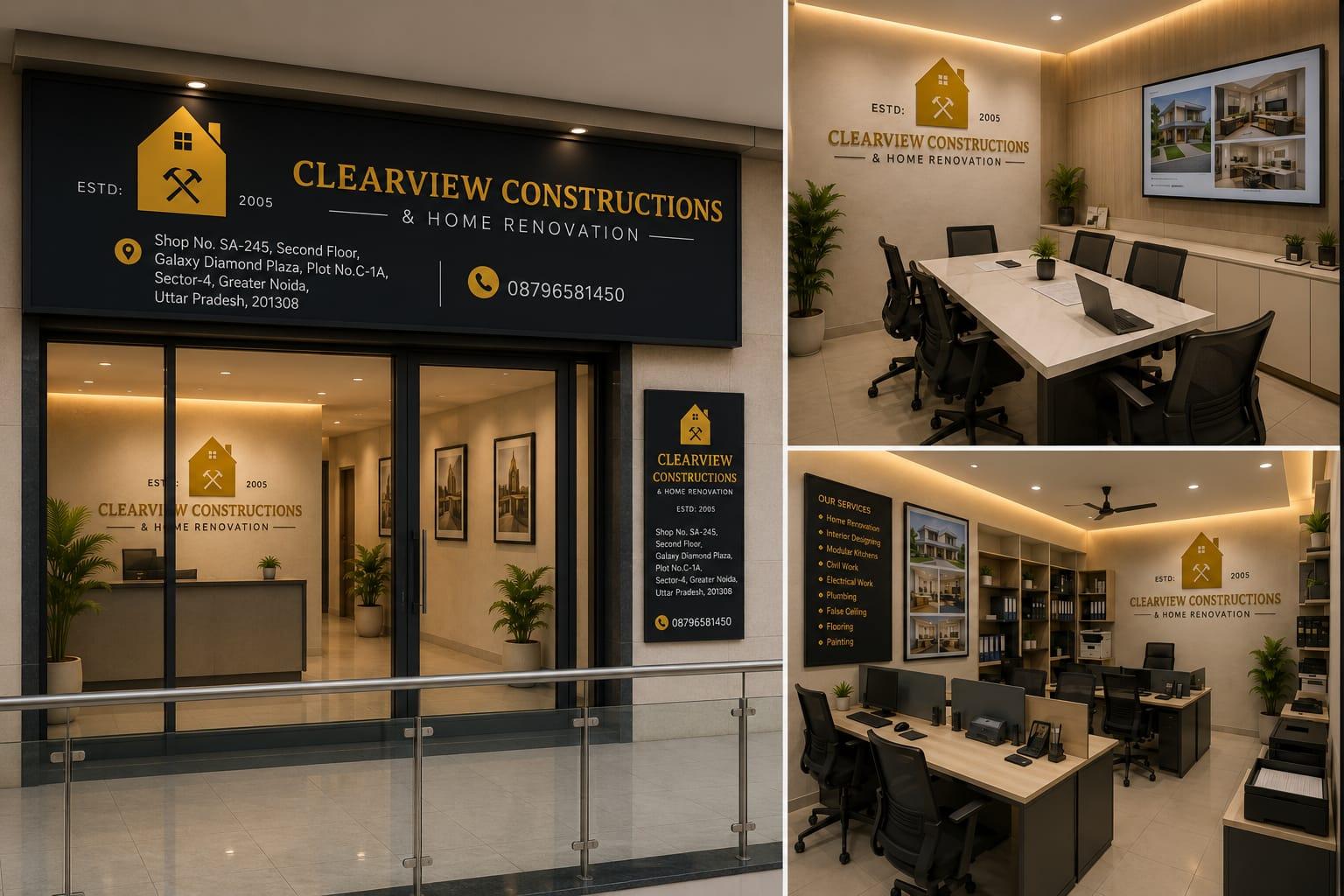
Home renovation has become an essential investment for homeowners who want to improve comfort, functionality, and property value. Whether you are upgrading an old apartment, remodeling a villa, or redesigning a family home, home renovation in Greater Noida offers countless opportunities to create a modern and efficient living space. With rapid urban development and changing lifestyle...
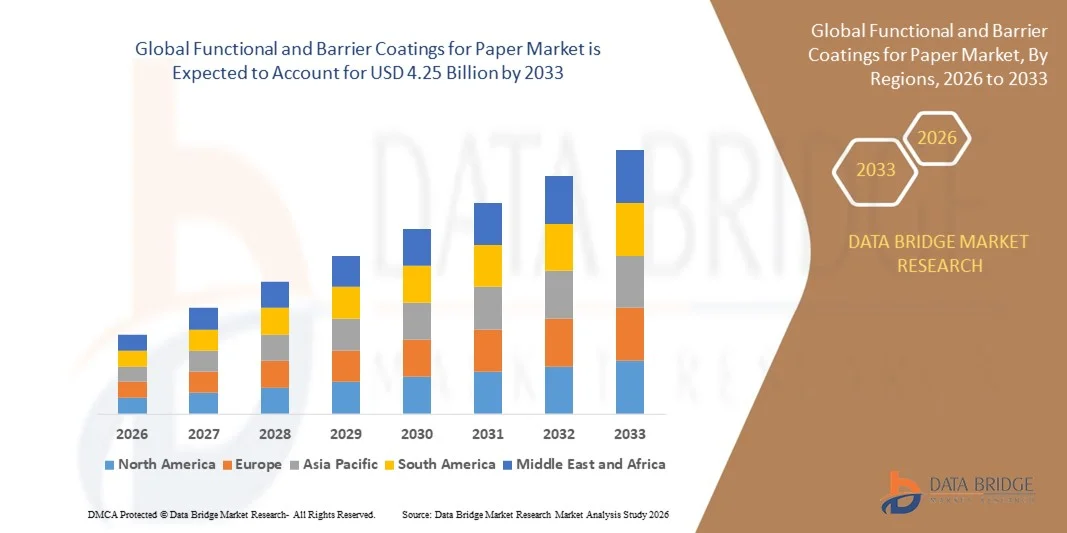
"According to the latest report published by Data Bridge Market Research, the Functional and Barrier Coatings for Paper Market CAGR Value The global functional and barrier coatings for paper market size was valued at USD 2.65 billion in 2025 and is expected to reach USD 4.25 billion by 2033, at a CAGR of 6.10% during the forecast period For...