


From Leads to Revenue: Unlocking Better B2B Marketing ROI

Generating leads has always been an important objective for B2B marketers, but in 2026, lead generation alone is no longer enough. Businesses are under increasing pressure to demonstrate how marketing activities contribute to actual revenue. Marketing leaders are being asked tougher questions about performance, efficiency, and business impact. As a result, improving B2B Marketing ROI has become one of the highest priorities for organizations seeking sustainable growth.
The most successful companies understand that marketing should not stop at lead generation. The real goal is to guide prospects through the buying journey, support sales teams, create meaningful customer experiences, and ultimately generate revenue. This shift from focusing solely on leads to prioritizing revenue is transforming how businesses approach marketing strategy, technology investments, and performance measurement.
Organizations that embrace this mindset are finding new opportunities to improve efficiency, increase conversion rates, and strengthen their competitive position.
Why Lead Volume Is No Longer the Ultimate Success Metric
For many years, marketers measured success by the number of leads generated through campaigns. While lead volume still provides useful insight into marketing activity, it does not always reflect business outcomes.
Thousands of leads may look impressive on a dashboard, but if only a small percentage convert into customers, the value of those leads becomes questionable. Modern marketing teams are recognizing that quality matters far more than quantity.
High-performing organizations evaluate leads based on their likelihood to generate revenue. This approach improves B2B Marketing ROI because resources are focused on opportunities with genuine business potential rather than simply increasing lead counts.
A smaller number of highly qualified prospects often produces better results than a large volume of unqualified contacts.
Understanding the Revenue-Focused Marketing Model
Revenue-focused marketing places business outcomes at the center of every decision. Instead of measuring campaign success through isolated metrics, marketers evaluate how their efforts contribute to pipeline growth, customer acquisition, and long-term profitability.
This model requires greater collaboration between marketing and sales teams. Both departments must share common goals and work together to move prospects through the buying journey.
Organizations adopting this strategy often experience stronger B2B Marketing ROI because every activity is aligned with revenue generation. Campaigns become more targeted, messaging becomes more relevant, and resources are allocated more effectively.
The result is a more efficient marketing operation capable of delivering measurable business impact.
Building Better Target Audiences Through Data
Accurate audience targeting remains one of the most important factors influencing marketing performance. Even the most creative campaigns can fail if they reach the wrong prospects.
Data-driven organizations use customer insights, behavioral information, firmographic details, and historical performance data to identify ideal audiences. These insights help marketers focus on accounts most likely to convert.
Improved targeting enhances B2B Marketing ROI by reducing wasted spending and increasing engagement quality. Marketing teams can prioritize high-value prospects while avoiding unnecessary outreach to low-potential audiences.
The ability to target effectively becomes even more valuable as competition for buyer attention continues to increase.
Intent Data Accelerates Revenue Opportunities
Intent data has become one of the most influential technologies in modern B2B marketing. It helps organizations identify businesses actively researching products, services, or solutions relevant to their needs.
This visibility enables marketers to engage prospects during critical stages of the buying process. Rather than waiting for leads to enter the funnel, businesses can proactively connect with organizations showing strong purchase intent.
Intent-driven marketing significantly improves B2B Marketing ROI because campaigns focus on prospects already demonstrating interest. Conversion rates increase while customer acquisition costs often decline.
Companies leveraging intent intelligence are gaining a substantial advantage in competitive markets.
Account-Based Marketing Drives Higher Revenue Impact
Account-Based Marketing continues to be one of the most effective strategies for improving marketing efficiency. Instead of targeting broad audiences, businesses concentrate resources on a carefully selected group of high-value accounts.
This targeted approach allows marketing and sales teams to collaborate on personalized engagement strategies. Communications are tailored to specific decision-makers, making interactions more meaningful and relevant.
Organizations implementing Account-Based Marketing frequently achieve stronger B2B Marketing ROI because their efforts are focused on opportunities with the greatest revenue potential.
The strategy also helps shorten sales cycles and improve customer relationships.
The Growing Influence of Artificial Intelligence
Artificial intelligence is reshaping the marketing landscape by helping organizations make smarter decisions and improve operational efficiency. AI-powered tools can analyze large datasets, identify patterns, and generate actionable recommendations.
Marketers use artificial intelligence for predictive analytics, lead scoring, audience segmentation, content personalization, and campaign optimization. These capabilities allow teams to operate more effectively while reducing manual workloads.
The impact on B2B Marketing ROI is significant. AI enables organizations to improve targeting accuracy, increase engagement rates, and optimize budget allocation.
Businesses that successfully integrate AI into their marketing programs often outperform competitors relying on traditional methods.
Content Marketing That Supports Revenue Generation
Content remains a critical component of the B2B buying journey. However, modern content strategies are increasingly focused on revenue outcomes rather than visibility alone.
Effective content educates prospects, addresses business challenges, and provides guidance throughout the purchasing process. Resources such as industry reports, case studies, whitepapers, webinars, and expert articles help buyers make informed decisions.
When content aligns with customer needs and business objectives, B2B Marketing ROI improves. Prospects gain confidence in the organization's expertise and become more likely to engage with sales teams.
Content that directly supports purchasing decisions creates greater value than content designed solely for awareness.
Sales and Marketing Alignment Creates Revenue Momentum
One of the most important factors influencing marketing performance is the relationship between marketing and sales teams. Organizations often struggle when these departments operate independently with different objectives.
Successful businesses establish shared revenue goals and encourage ongoing collaboration. Marketing provides insights into prospect behavior while sales contributes direct feedback from customer conversations.
This partnership improves lead qualification, accelerates pipeline progression, and increases conversion rates. Strong alignment also strengthens B2B Marketing ROI because both teams focus on achieving common business outcomes.
Revenue growth becomes easier when marketing and sales operate as a unified team.
Measuring Metrics That Matter
Modern marketers must move beyond vanity metrics and focus on indicators that demonstrate business impact. Revenue-focused measurement provides deeper insight into marketing effectiveness.
Key performance indicators include:
- Marketing-sourced pipeline
- Revenue influenced by marketing
- Customer acquisition cost
- Conversion rates
- Opportunity creation
- Customer lifetime value
- Account engagement levels
Tracking these metrics enables organizations to continuously improve B2B Marketing ROI by identifying successful strategies and eliminating ineffective activities.
Measurement should always support decision-making rather than simply reporting activity.
Customer Retention Strengthens Long-Term Returns
While acquiring new customers remains important, retaining existing customers often delivers greater profitability. Loyal customers generate recurring revenue, purchase additional services, and provide valuable referrals.
Organizations that invest in customer success programs, educational content, and personalized communication strengthen relationships and improve retention rates.
Retention-focused initiatives contribute directly to B2B Marketing ROI because maintaining existing customers typically requires less investment than acquiring new ones. Additionally, long-term customer relationships create opportunities for account expansion and increased lifetime value.
A balanced approach that combines acquisition and retention is essential for sustainable growth.
Important Information for Maximizing Revenue Through Marketing
The future of B2B Marketing ROI depends on an organization's ability to move beyond lead generation and focus on revenue creation. Companies that leverage high-quality data, intent intelligence, Account-Based Marketing, artificial intelligence, strategic content, and strong sales alignment are achieving superior results in 2026. Success comes from understanding the entire buyer journey, optimizing every customer interaction, and ensuring that marketing efforts contribute directly to measurable business outcomes. Businesses that embrace a revenue-focused approach will be better equipped to drive growth, improve profitability, and build lasting competitive advantages.
At Acceligize, we help entrepreneurs, small businesses, and professionals grow with actionable insights, strategies, and tools. Our experts simplify complex ideas in business development, marketing, operations, and emerging trends, turning challenges into opportunities. Whether you’re scaling, pivoting, or launching, we provide the guidance to navigate today’s dynamic marketplace. Your success is our priority because when you thrive, we thrive.
Categorii
Citeste mai mult
In Monopoly GO, the rarest and most valuable collectibles are undoubtedly the new gold stickers. That's right, the limited-time event "Monopoly GO Golden Blitz" will introduce two brand-new gold stickers – "Blown Away" and "Brick House". These extremely rare stickers have already become some of the most sought-after collectibles in the current series. Whether you're looking to maximize...

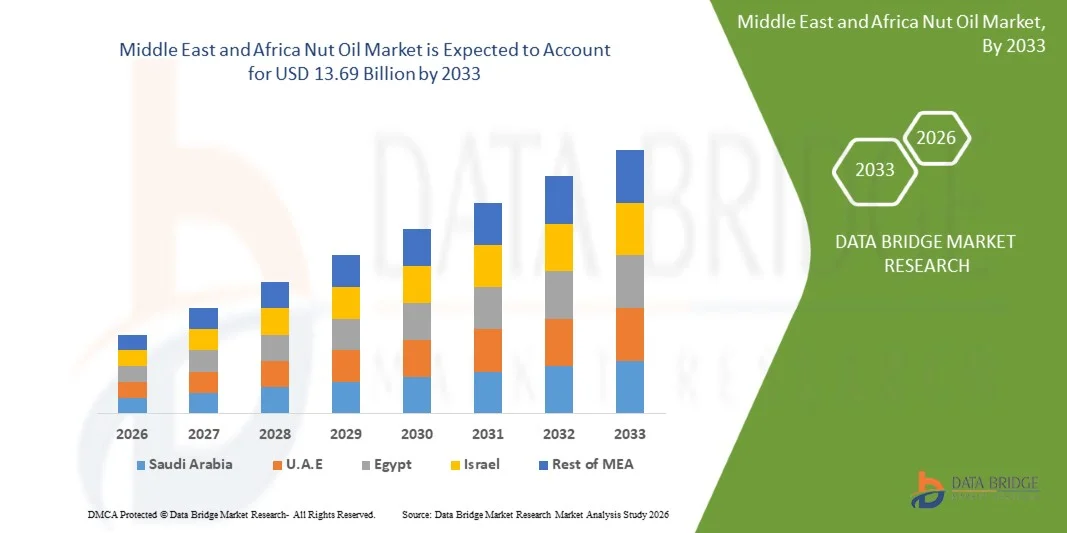
"Executive Summary Middle East and Africa Nut Oil Market Market Research: Share and Size Intelligence The Middle East and Africa nut oil market size was valued at USD 7.13 billion in 2025 and is expected to reach USD 13.69 billion by 2033, at a CAGR of8.5% during the forecast period The credible Middle East and Africa Nut Oil Market report has estimations...
New players entering Path of Exile often become overwhelmed by its complexity. Passive skill trees, gem systems, crafting, and trading can seem intimidating at first. While collecting Path of exile currency is necessary for long-term success, one item can dramatically simplify the leveling process: the Path of Exile Tabula Rasa Simple Robe. Many experienced players consider Tabula Rasa the...

Buy Naver Accounts In the digital age, where online presence dictates success, having a robust platform to connect with users is essential. For those seeking to tap into the vibrant South Korean market, Buy Naver accounts can be a game-changer. As one of Korea’s leading search engines and social platforms, Naver offers unparalleled access to millions of active users. But what makes it so...

The Volatile Organic Compound (VOC) Concentrator Market Report provides a detailed assessment of the market, examining size, trends, and growth opportunities. It highlights the influence of technology, consumer behavior, and competitive strategies on market evolution. The study offers a thorough analysis of leading players, their product offerings, and market positioning. This report...