

How Fabric Weight Influences Athlete Endurance During Training
Fabric weight is a critical yet often underappreciated factor in sportswear engineering that directly influences athlete endurance, thermoregulation, and overall training efficiency. In sportswear and athletic performance clothing, fabric weight is typically measured in grams per square meter (GSM), which indicates how heavy or dense a textile is. This measurement affects breathability, moisture management, insulation, and mechanical comfort during physical exertion.
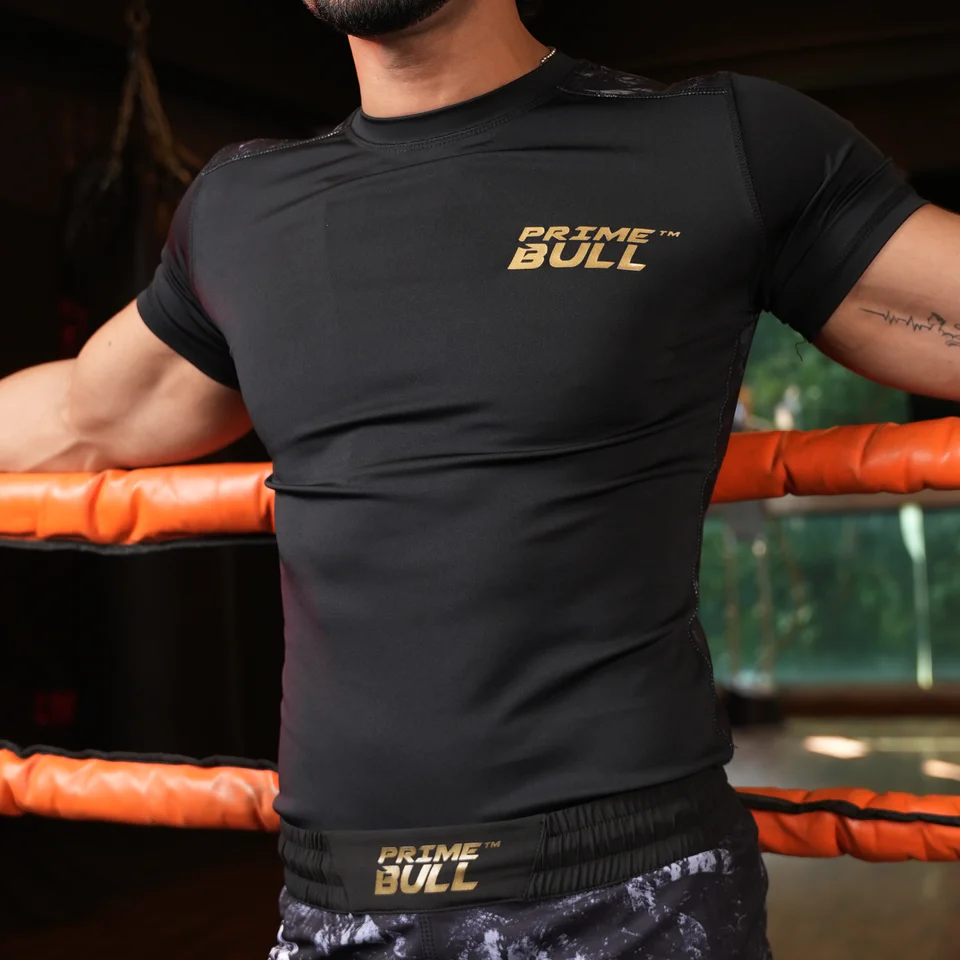
Understanding how fabric weight impacts endurance is particularly relevant in high-performance garments such as a mens rash guard used in combat sports, swimming, and functional training, as well as lightweight compression wear like a women rash guard designed for mobility and thermal regulation. The selection of appropriate fabric weight is a foundational decision in sportswear design that can significantly affect fatigue levels, heat stress, and muscular efficiency during training.
This article provides a research-driven exploration of how fabric weight influences athletic endurance, supported by textile science principles, industry practices, and real-world applications.
Understanding Fabric Weight in Sportswear Engineering
What Fabric Weight Means (GSM Explained)
Fabric weight, expressed in GSM (grams per square meter), defines the mass of a fabric over a standardized area. In athletic clothing, GSM typically ranges as follows:
-
Lightweight fabrics: 80–150 GSM
-
Midweight fabrics: 150–250 GSM
-
Heavyweight fabrics: 250–400+ GSM
Lower GSM fabrics are generally more breathable and suited for high-intensity or hot environments, while higher GSM fabrics provide durability, insulation, and structural support.
Relationship Between Fabric Weight and Physiological Load
Heavier fabrics increase the micro-load on the body, requiring slightly more energy expenditure during movement. While this effect is minimal in isolation, it becomes significant over prolonged training sessions or endurance-based sports. Conversely, lighter fabrics reduce mechanical resistance and enhance heat dissipation, which helps delay fatigue onset.
How Fabric Weight Affects Athlete Endurance
Thermoregulation and Heat Stress
One of the most important endurance factors influenced by fabric weight is thermoregulation. During exercise, the human body produces heat that must be efficiently dissipated to maintain optimal performance.
-
Lightweight fabrics improve evaporative cooling by allowing sweat vapor to escape quickly.
-
Heavy fabrics may trap heat and moisture, increasing core temperature and perceived exertion.
Excessive heat retention is closely linked to earlier onset of fatigue and reduced endurance capacity, particularly in endurance sports such as running, cycling, and martial arts training.
Moisture Management and Sweat Evaporation
Fabric weight also impacts moisture transport systems in athletic apparel. Advanced synthetic fibers such as polyester blends are engineered to wick sweat away from the skin.
-
Lower GSM fabrics dry faster, reducing skin friction and discomfort.
-
Higher GSM fabrics may retain moisture longer, increasing chafing risk and discomfort.
In garments like a mens rash guard, moisture control is essential for maintaining grip efficiency and comfort during grappling or aquatic performance.
Mechanical Efficiency and Movement Economy
Heavier fabrics increase drag and resistance against the body’s natural motion. Over time, this can reduce movement economy, meaning athletes expend more energy to perform the same action.
Lightweight fabrics improve:
-
Range of motion
-
Neuromuscular efficiency
-
Energy conservation during repetitive movements
This is particularly important in competitive training environments where marginal performance differences matter.
Fabric Weight Applications in Athletic Apparel
Rash Guards in Combat and Water Sports
Rash guards are widely used in Brazilian Jiu-Jitsu, MMA, surfing, and swimming due to their compression fit and protective qualities. Fabric weight plays a central role in performance:
A mens rash guard typically uses midweight fabrics to balance durability and compression, while maintaining sufficient breathability under high friction conditions.
For female athletes, modern sportswear design increasingly emphasizes ergonomic fit and lightweight comfort. Premium designs such as a women rash guard often integrate lower GSM fabrics to enhance endurance during cardio-intensive training and aquatic performance.
Endurance Training Apparel
In endurance sports such as marathon running or long-cycle training, fabric weight is optimized for cooling efficiency. Ultra-light textiles reduce overheating risk and support sustained aerobic performance.
Strength and High-Resistance Training
Heavier fabrics are sometimes used in strength training apparel to provide structural compression and muscle stabilization. However, designers must balance this with breathability to avoid heat accumulation.
Expert Insights and Best Practices in Fabric Weight Optimization
Textile engineers and sports performance specialists apply several principles when selecting fabric weight for athletic apparel:
1. Environment-Specific Fabric Selection
Hot climates demand low GSM fabrics with high moisture-wicking capacity, while cold environments benefit from layered or midweight insulation textiles.
2. Activity-Based Weight Calibration
-
High-intensity interval training (HIIT): 100–180 GSM
-
Endurance running: 80–150 GSM
-
Combat sports: 150–250 GSM depending on durability needs
3. Hybrid Fabric Engineering
Modern sportswear often uses blended materials (e.g., polyester-spandex) to achieve an optimal balance between elasticity, breathability, and structural integrity regardless of fabric weight.
4. Compression Integration
Compression fabrics are engineered to improve blood circulation and reduce muscle oscillation. However, excessive fabric weight in compression garments can counteract these benefits by increasing thermal load.
Common Mistakes and Misconceptions
Misconception 1: Heavier Fabric Means Better Quality
A common misconception is that heavier fabrics are inherently superior. In reality, performance apparel prioritizes function over mass. Lightweight, engineered textiles often outperform heavier materials in endurance contexts.
Misconception 2: Fabric Weight Alone Determines Comfort
Comfort is influenced by multiple variables including fiber type, weave structure, and moisture-wicking technology. Fabric weight is only one component of overall garment performance.
Misconception 3: One Fabric Weight Works for All Sports
Different sports require different thermal and mechanical properties. A single GSM range cannot universally optimize endurance across running, swimming, and strength training.
Misconception 4: Compression Requires Heavy Fabric
Compression effectiveness is determined more by elasticity and fit than by weight. Overly heavy compression fabrics may reduce endurance by increasing heat retention.
Conclusion
Fabric weight is a foundational determinant of athletic endurance, influencing thermoregulation, movement efficiency, and fatigue resistance during training. In sportswear engineering, optimizing GSM values is essential for balancing comfort, durability, and performance outcomes.
From high-performance mens rash guard designs used in combat sports to lightweight, endurance-focused garments such as modern women rash guard apparel, fabric weight selection directly shapes athletic experience and efficiency. By integrating textile science principles with real-world performance demands, sportswear designers continue to enhance endurance outcomes across all levels of athletic activity.
Authoritative textile research, including studies referenced in sources such as Textile Research Journal and foundational material science overviews on Wikipedia, consistently supports the conclusion that fabric structure and weight are central to optimizing human performance in sport.
FAQs
What is the ideal fabric weight for endurance sports?
The ideal fabric weight typically ranges between 80–150 GSM, as it provides a balance of breathability, moisture control, and minimal physical resistance.
How does fabric weight affect sweating during exercise?
Lighter fabrics improve evaporation rates, helping regulate body temperature and reducing excessive sweating buildup on the skin.
Why are rash guards important for athletes?
Rash guards protect against friction, UV exposure, and skin irritation while supporting compression and moisture management in high-intensity training environments.
Is a heavier fabric more durable in sportswear?
Generally, yes. Heavier fabrics tend to be more abrasion-resistant, but modern synthetic textiles can achieve durability at lower weights through advanced weaving techniques.
How does fabric weight influence fatigue?
Heavier fabrics can slightly increase energy expenditure and heat retention, both of which contribute to earlier onset of fatigue during prolonged exercise.
Are lightweight fabrics always better for athletes?
Not always. While they enhance breathability, lightweight fabrics may lack durability in contact sports or high-friction activities.
What role does fabric weight play in compression garments?
It influences thermal load and comfort but is secondary to elasticity and fit in determining compression effectiveness.
الأقسام
إقرأ المزيد
b-uy GitHub Account for Business and Team Collaboration In the modern corporate ecosystem, software architecture requires immediate scalability and uninterrupted workflow coordination. When corporate development groups, digital solutions providers, or independent engineering teams expand their operations, registering separate digital workspace accounts individually can become a massive...

Buy LinkedIn accounts In today’s digital landscape, having a robust online presence is more crucial than ever. LinkedIn stands out as the premier platform for professionals to connect, network, and showcase their expertise. But what if you’re just starting or your current account isn’t making the impact you desire? This is where purchasing LinkedIn accounts can be a game...

PeaceInWar – Style That Breaks the Rules Introduction: Redefining Urban Fashion Streetwear has always been about challenging norms, pushing boundaries, and creating individuality. Peaceinwar takes this philosophy to the next level, crafting clothing that breaks conventional fashion rules while remaining stylish and functional. Designed for the fearless, creative, and trend-defying...
The way people approach wellness and healthy living has changed significantly over recent years. Instead of following restrictive routines or complicated health programs, many individuals now prefer practical wellness support options that work alongside their normal lifestyle. This is one reason why searches for Buy Gelatine Sculpt and Gelatine Sculpt Official Website continue...

The Trapstar Jacket has grown into a major name in modern streetwear culture. It is designed for people who want comfort, style, and performance all in one outfit. With its strong street inspired look and practical features, it is not just outerwear. It keeps you warm while giving you a sharp and modern look wherever you go. In today’s fashion world, clothing is more than appearance...