Essential LVAD Gear Checklist for Daily Living
Living with a Left Ventricular Assist Device (LVAD) requires careful attention to both medical management and daily lifestyle adjustments. An LVAD is a mechanical circulatory support device designed to help the heart pump blood in individuals with advanced heart failure. These devices are commonly used as a bridge to heart transplantation, a bridge to recovery, or as destination therapy for patients who are not transplant candidates.
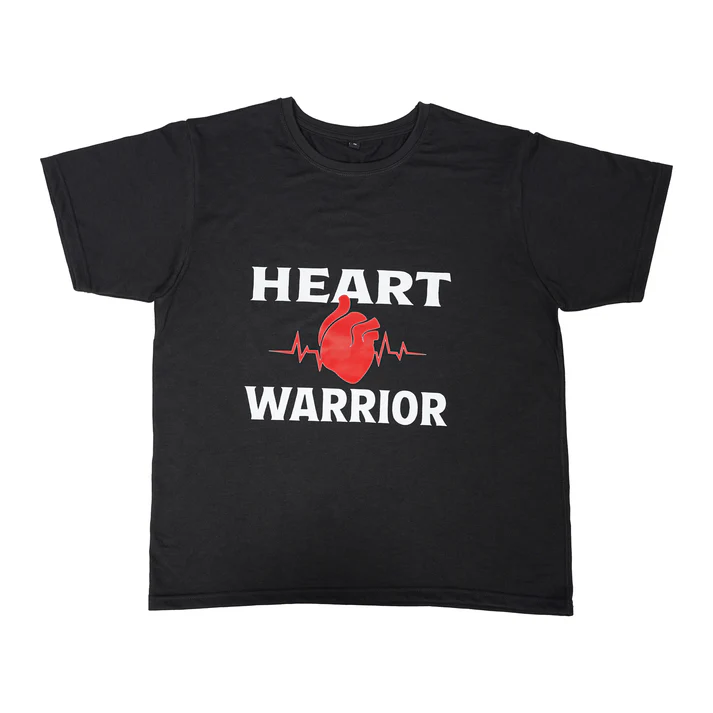
As LVAD technology continues to improve, patients are experiencing longer survival rates and enhanced quality of life. However, successful long-term outcomes depend not only on the implanted device itself but also on the consistent use of essential support equipment and wearable accessories that help maintain safety, mobility, comfort, and independence. From power management systems to specialized apparel such as a heart warrior shirt, every component plays a role in supporting everyday living.
Understanding the essential LVAD gear checklist for daily living helps patients, caregivers, and healthcare professionals establish effective routines, minimize risks, and improve confidence in daily activities. This guide examines the most important equipment, practical considerations, best practices, and common misconceptions associated with LVAD daily living.
Understanding LVAD Support Equipment
Why LVAD Accessories Matter
An LVAD functions continuously and requires external power sources, controllers, and driveline management systems. Unlike many implantable medical devices, an LVAD relies on external components that accompany the patient throughout the day.
Proper gear serves several critical purposes:
-
Protecting vital device components
-
Enhancing patient mobility
-
Improving comfort during daily activities
-
Supporting driveline management
-
Reducing accidental disconnections
-
Promoting adherence to safety protocols
Clinical studies published in journals such as the Journal of Heart and Lung Transplantation have consistently demonstrated that proper device management is associated with reduced complications and improved patient outcomes.
Core Components Every LVAD Patient Carries
Most LVAD systems include:
-
System controller
-
Primary battery
-
Backup battery
-
Battery charger
-
Power unit
-
Driveline connection system
-
Emergency contact information
These components form the foundation of daily LVAD management and should remain readily accessible at all times.
Essential LVAD Gear Checklist
Controller Carrying System
The controller serves as the operational center of the LVAD system. It monitors performance and alerts patients to potential issues.
A secure carrying solution helps prevent accidental drops, impacts, and cable strain. Specialized controller bags and wearable harnesses distribute weight evenly and allow easier movement throughout the day.
Healthcare providers generally recommend using manufacturer-approved carrying systems whenever possible.
Battery Management Equipment
Continuous power is essential for LVAD operation.
Patients should maintain:
-
Two fully charged active batteries
-
Additional backup batteries
-
Manufacturer-approved charging stations
-
Travel charging accessories
Battery rotation schedules help ensure reliable performance and reduce the risk of unexpected power loss.
Driveline Protection Accessories
The driveline connects the internal pump to external system components. Because it exits the body through the skin, driveline care is a critical aspect of infection prevention.
Protective accessories help:
-
Reduce tension on the exit site
-
Minimize accidental pulling
-
Improve comfort during movement
-
Support dressing stability
Proper driveline management is considered one of the most important factors in reducing infection-related complications.
Specialized Wearable Solutions for Daily Mobility
Stabilization Belts and Support Systems
One of the most widely used wearable accessories is a dedicated LVAD support belt. These products help secure equipment close to the body while reducing movement of external components.
A properly fitted lvad stabilization belt can assist with weight distribution, controller security, and driveline organization, making everyday activities more manageable for many patients.
These support systems are particularly beneficial during:
-
Walking
-
Light exercise
-
Household activities
-
Travel
-
Extended periods of standing
Adaptive Clothing Solutions
Medical wearables have evolved significantly in recent years. Adaptive clothing is increasingly designed specifically for LVAD users.
Features often include:
-
Hidden battery compartments
-
Reinforced cable pathways
-
Moisture-management fabrics
-
Accessible controller pockets
Such garments help patients maintain independence while improving comfort and discretion.
Heart Warrior Apparel
Many patients embrace specialized clothing that reflects their journey with advanced heart failure and mechanical circulatory support. A heart warrior shirt often serves as both a practical garment and a symbol of resilience.
Beyond personal expression, these garments can encourage awareness and facilitate conversations regarding LVAD technology, heart failure management, and patient advocacy.
Daily Living Applications
Home Environment Management
LVAD users benefit from organizing dedicated equipment stations within the home.
Recommended practices include:
-
Designated charging locations
-
Backup power storage
-
Emergency contact displays
-
Routine equipment inspections
Establishing consistent routines can reduce stress and improve adherence to device management protocols.
Workplace Adaptation
Many LVAD recipients return to employment following recovery.
Workplace planning may involve:
-
Access to charging facilities
-
Secure storage for backup equipment
-
Emergency response education for colleagues
-
Ergonomic adjustments for carrying systems
Successful workplace integration often depends on communication between patients, employers, and healthcare providers.
Travel Preparation
Travel presents unique challenges for LVAD patients.
Essential travel gear typically includes:
-
Extra batteries
-
Backup controller if prescribed
-
Charging equipment
-
Medical documentation
-
Emergency contact information
-
Power adapters when traveling internationally
Preparation significantly reduces the likelihood of travel-related disruptions.
Benefits of a Comprehensive LVAD Gear Strategy
Enhanced Safety
Proper equipment management reduces risks associated with:
-
Battery depletion
-
Equipment damage
-
Driveline strain
-
Controller disconnection
Improved Mobility
Wearable support systems allow patients to participate more comfortably in everyday activities.
Patients frequently report increased confidence when using properly designed carrying and stabilization solutions.
Greater Independence
An organized gear system supports self-management, helping patients perform routine tasks without excessive reliance on caregivers.
Better Quality of Life
Research from organizations such as the American Heart Association suggests that quality-of-life improvements are among the most significant benefits reported by LVAD recipients following successful adaptation to device-supported living.
Challenges Associated With LVAD Equipment Management
Equipment Weight
Multiple batteries and controllers can create a noticeable physical burden, particularly during prolonged activity.
Heat and Comfort Concerns
Extended wear of support equipment may contribute to heat retention and discomfort, especially in warmer climates.
Lifestyle Adjustments
Many patients require time to adapt to carrying external equipment continuously.
Healthcare teams often emphasize gradual adaptation and individualized equipment selection.
Cost Considerations
Specialized accessories may not always be fully covered by insurance providers, creating financial considerations for some patients.
Expert Insights and Best Practices
Follow a Structured Equipment Checklist
Experienced LVAD programs often recommend standardized daily verification procedures.
A typical framework includes:
-
Inspect battery charge levels.
-
Verify controller functionality.
-
Check driveline integrity.
-
Confirm availability of backup equipment.
-
Review emergency contact access.
This systematic approach reduces preventable errors.
Prioritize Driveline Security
Reducing tension and movement at the exit site remains one of the most effective strategies for lowering infection risk.
Consistent stabilization methods are strongly encouraged by clinical care teams.
Develop Emergency Preparedness Protocols
Patients should maintain familiarity with:
-
Alarm troubleshooting
-
Battery replacement procedures
-
Emergency contact processes
-
Local hospital resources
Preparation enhances response effectiveness during unexpected situations.
Maintain Routine Follow-Up Care
Regular assessments allow clinicians to identify equipment concerns before they become significant problems.
Device optimization and patient education remain ongoing processes throughout LVAD therapy.
Common Mistakes and Misconceptions
Assuming Batteries Last Longer Than Rated
Battery performance varies based on usage conditions and device models. Patients should always follow manufacturer recommendations rather than relying on estimated runtimes.
Neglecting Backup Equipment
Some individuals underestimate the importance of carrying spare batteries and emergency supplies. Redundancy is a fundamental principle of LVAD safety.
Using Non-Approved Accessories
Third-party products that have not been evaluated for compatibility may interfere with equipment performance or safety.
Believing Physical Activity Is Prohibited
Many LVAD recipients can participate in approved physical activities under medical supervision. Proper gear often supports rather than limits mobility.
Underestimating Infection Prevention
Driveline infections remain among the most significant complications associated with LVAD therapy. Daily attention to exit-site care is essential.
Conclusion
Effective LVAD management extends beyond the implanted device itself. Daily success depends on a comprehensive support system that includes batteries, controllers, driveline protection, wearable stabilization solutions, adaptive clothing, and emergency preparedness resources. Proper equipment selection and consistent management practices improve safety, mobility, independence, and overall quality of life.
As LVAD technology continues to advance, the role of specialized medical wearables and patient-centered accessories becomes increasingly important. A structured approach to equipment management, combined with ongoing clinical support and patient education, helps ensure that individuals living with LVADs can confidently navigate daily activities while maintaining optimal device performance and long-term health outcomes.
FAQs
What is the most important gear an LVAD patient should carry daily?
The most critical items include the controller, active batteries, backup batteries, and emergency contact information. These components directly support continuous device operation.
Why are backup batteries essential for LVAD users?
LVAD systems require uninterrupted power. Backup batteries provide redundancy in case of battery depletion, malfunction, or unexpected delays.
How often should LVAD equipment be inspected?
Most clinical programs recommend daily visual inspections and routine checks before leaving home, traveling, or participating in extended activities.
Can LVAD patients travel safely?
Yes. Many LVAD recipients travel successfully. Proper planning, extra equipment, and medical documentation significantly improve travel safety.
What role does a stabilization system play in daily living?
Stabilization systems help secure external components, reduce movement, improve comfort, and support driveline management during everyday activities.
Are specialized LVAD garments medically necessary?
While not always medically required, adaptive garments often improve comfort, organization, and adherence to equipment management practices.
How can driveline infections be minimized?
Consistent exit-site care, proper stabilization, sterile dressing changes, and adherence to healthcare provider instructions remain the primary preventive strategies.
Is exercise possible with an LVAD?
Many patients participate in medically supervised exercise programs. Individual recommendations vary based on clinical condition and physician guidance.
How much equipment does an LVAD patient typically carry?
Most patients carry a controller, two batteries, and various support accessories. The exact configuration depends on the device model and daily activities.
What should be included in an LVAD emergency kit?
An emergency kit commonly contains backup batteries, charging equipment, emergency contact information, medical identification, and manufacturer-recommended supplies.
Categorias
Leia Mais
If you have ever walked through a busy manufacturing plant you have probably noticed how quickly dust can become part of the working environment. Cutting grinding polishing drilling and material handling can all release particles into the air. Some dust settles on machines and floors while finer particles can stay suspended for longer. For a factory dealing with this every day can be...

Buy New & Old Twitter Accounts Are you looking to expand your social media presence quickly and effectively? Buying new or old Twitter accounts might be the solution you’ve been searching for. Whether you’re a business aiming to connect with a larger audience or an individual wanting to boost your personal brand, acquiring established Twitter accounts can save you time and...

The combination of Adderall 30 mg Sandoz and Xanax 1mg presents a complex pharmacological interaction that affects both the central nervous system and cardiovascular responses. These two medications belong to opposing drug classes—one is a stimulant, while the other is a depressant—leading to competing physiological effects when used together. Understanding how Adderall 30 mg...
Luxury streetwear has transformed from a niche fashion movement into a global phenomenon, attracting consumers who appreciate exclusivity, quality, and cultural significance. Among the most sought-after pieces in this category are the CDG Hoodie and the Chrome Hearts Hoodie. Both occupy prominent positions within modern fashion, yet they appeal to different personalities, lifestyles, and style...

Buy Yahoo Accounts from getpvasmm.com In today’s digital age, having an online presence is more crucial than ever. Yahoo accounts are a gateway to numerous services, from email communication to news and social networking. But managing just one account can be limiting, especially for professionals or businesses that require multiple profiles. This is where the option to buy Yahoo accounts...