


Farming for Real Estate: Unlocking the Hidden Value of Agricultural Land
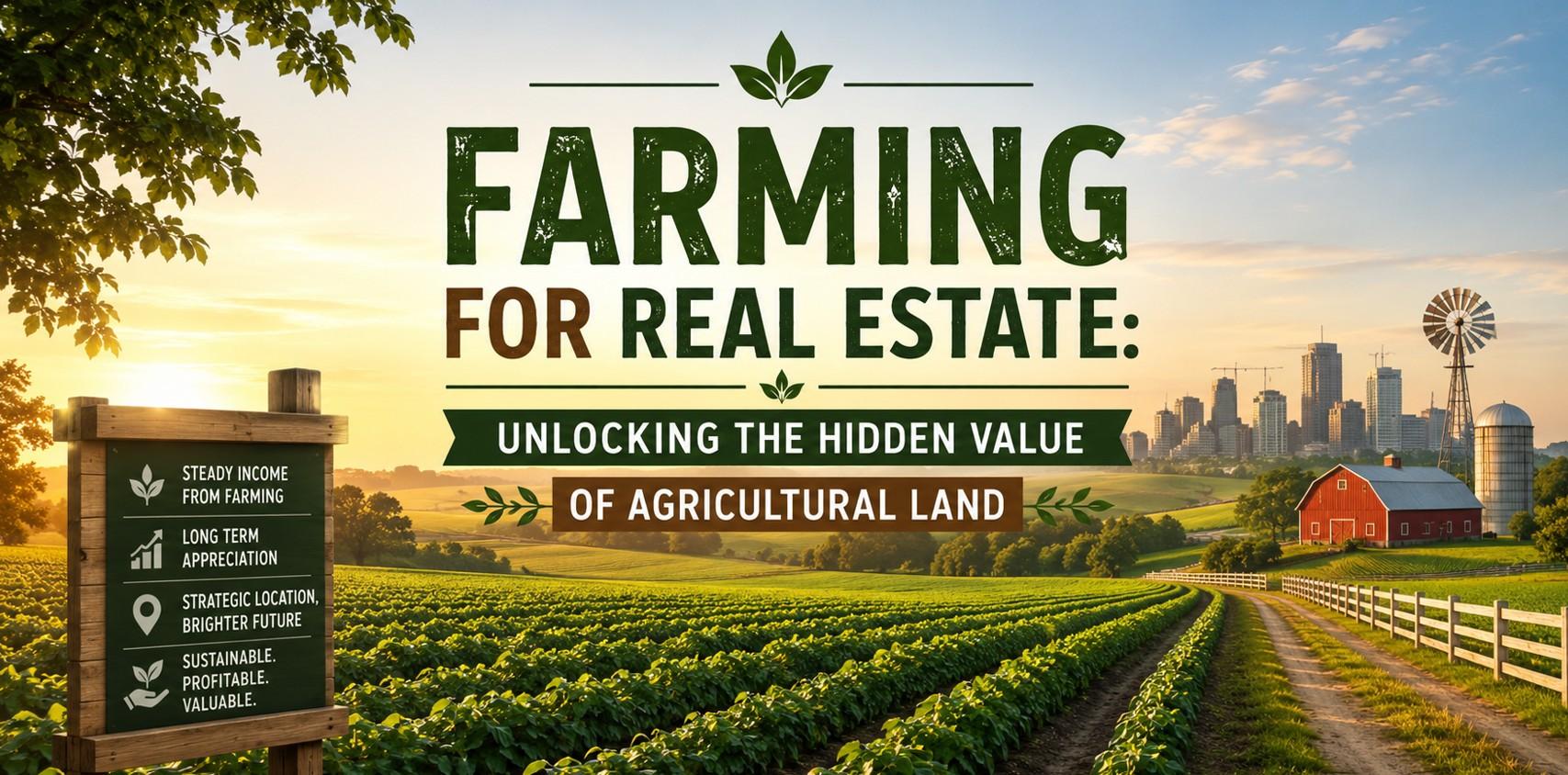
Real estate investment is often associated with residential properties, commercial buildings, and urban developments. However, one of the most overlooked opportunities lies in agricultural land. Farming for real estate is an innovative strategy that combines agricultural productivity with long term property appreciation, creating a unique pathway for investors, landowners, and developers to maximize value.
As urban populations continue to expand and the demand for food production increases, farmland is becoming a highly attractive asset. Investors are beginning to recognize that agricultural land offers more than crop yields. It can serve as a valuable real estate investment with significant growth potential.
Understanding the Concept of Farming for Real Estate
Farming for real estate refers to the practice of utilizing agricultural land not only for farming activities but also as a strategic real estate asset. The land generates income through agricultural production while simultaneously appreciating in value over time.
Unlike traditional real estate investments that rely solely on rental income or property development, farmland provides dual benefits. Investors can earn revenue from crops, livestock, or leasing the land to farmers while benefiting from increasing land values as surrounding areas develop.
This approach creates a balanced investment model that combines cash flow with long term capital growth.
Why Farmland Is Becoming a Valuable Real Estate Asset
Several factors have contributed to the growing interest in farmland as a real estate investment.
First, agricultural land is a limited resource. As cities expand and infrastructure projects increase, available farmland continues to shrink. This scarcity naturally drives land values higher over time.
Second, global food demand continues to rise. A growing population requires increased agricultural production, making productive farmland more valuable than ever.
Third, farmland has historically demonstrated resilience during economic downturns. While some real estate sectors experience market volatility, agricultural land often maintains stable value due to its essential role in food production.
These advantages make farming for real estate an appealing option for investors seeking diversification and long term security.
Income Opportunities Through Agricultural Activities
One of the most attractive aspects of farming for real estate is the ability to generate income while holding the property.
Landowners can cultivate crops such as wheat, corn, vegetables, fruits, or specialty products depending on the region. Livestock farming can also provide steady revenue streams.
For investors who do not wish to manage farming operations themselves, leasing the land to experienced farmers offers a practical alternative. Agricultural leases can provide consistent annual income while reducing operational responsibilities.
Some landowners further enhance profitability by introducing agritourism activities such as farm visits, educational programs, seasonal events, and local produce markets.
These income sources can help offset ownership costs while increasing the overall value of the property.
The Connection Between Farming and Future Development
One of the most compelling reasons to invest in farmland is its potential for future development.
Agricultural land located near growing cities, transportation corridors, or expanding suburban areas may eventually become suitable for residential, commercial, or industrial projects. As development pressure increases, land values can rise significantly.
Investors who strategically acquire farmland in emerging growth areas may benefit from substantial returns when rezoning opportunities arise. While development timelines can vary, patient investors often find that agricultural land serves as an effective long term holding strategy.
Careful research into local planning regulations, infrastructure projects, and population growth trends can help identify areas with strong future development potential.
Sustainability and Modern Investment Trends
Sustainability has become a major consideration in both agriculture and real estate. Farming for real estate aligns with modern investment trends by supporting environmentally responsible land use while preserving valuable natural resources.
Sustainable farming practices improve soil quality, conserve water, and enhance biodiversity. Properties managed with environmental stewardship often attract greater interest from investors, developers, and buyers.
Additionally, consumers are increasingly supporting locally sourced food and sustainable agricultural operations. This shift creates new opportunities for farmland owners to strengthen both profitability and property value.
As environmental awareness continues to grow, sustainable agricultural properties may become even more desirable within the real estate market.
Key Considerations Before Investing
While farming for real estate offers many advantages, investors should conduct thorough due diligence before purchasing agricultural land.
Important factors include soil quality, water availability, access to transportation, local zoning regulations, and market demand for agricultural products. Understanding regional development plans can also help assess future appreciation potential.
Investors should evaluate both the agricultural productivity and long term real estate prospects of a property. A balanced approach can help maximize returns while minimizing risks.
Working with experienced real estate professionals, agricultural consultants, and local authorities can provide valuable insights during the decision making process.
Conclusion
Farming for real estate represents a powerful investment strategy that combines the stability of agricultural income with the growth potential of land appreciation. As demand for food production and land resources continues to increase, farmland is emerging as a valuable asset class for forward thinking investors.
By carefully selecting productive agricultural properties in promising locations, investors can generate income, support sustainable land use, and position themselves for future real estate opportunities. In an evolving investment landscape, farming for real estate offers a practical and rewarding way to build long term wealth.
Frequently Asked Questions
1. What is farming for real estate?
Farming for real estate is the practice of using agricultural land for farming activities while benefiting from the property's long term appreciation and potential future development opportunities.
2. Is farmland a good real estate investment?
Yes, farmland can provide both income and long term value growth. It offers diversification, stability, and potential appreciation, especially in areas experiencing population and infrastructure growth.
3. How can investors earn income from farmland?
Investors can generate income through crop production, livestock operations, leasing land to farmers, or developing agritourism activities.
4. What factors should be considered before buying agricultural land?
Key factors include soil quality, water access, location, zoning regulations, infrastructure development, agricultural demand, and future growth potential in the surrounding area.
Categories
Read More
Buy Snapchat Accounts: The Ultimate Comprehensive Guide to Aged, Verified, and PVA Profiles for Digital Marketing and Brand Growth For more information,just knock us!🌙🌚🌛🌜🌝🌞🌟✨ Telegram: @getpvatop 🌙🌚🌛🌜🌝🌞🌟✨ Email:getpvatop@gmail.com🌙🌚🌛🌜🌝🌞🌟✨ https://t.me/getpvatop 🌙🌚🌛🌜🌝🌞🌟✨ Discord Community: getpvatop🌙🌚🌛🌜🌝🌞🌟✨ our company: https://getpvatop.com/ 🌑🌒🌓🌔🌕🌖🌗🌘 ✨🌙💫🌌🌙🖤🌑⚡🌒🔥🌓💫 In...

Buy New & Old Twitter Accounts Are you looking to expand your social media presence quickly and effectively? Buying new or old Twitter accounts might be the solution you’ve been searching for. Whether you’re a business aiming to connect with a larger audience or an individual wanting to boost your personal brand, acquiring established Twitter accounts can save you time and...