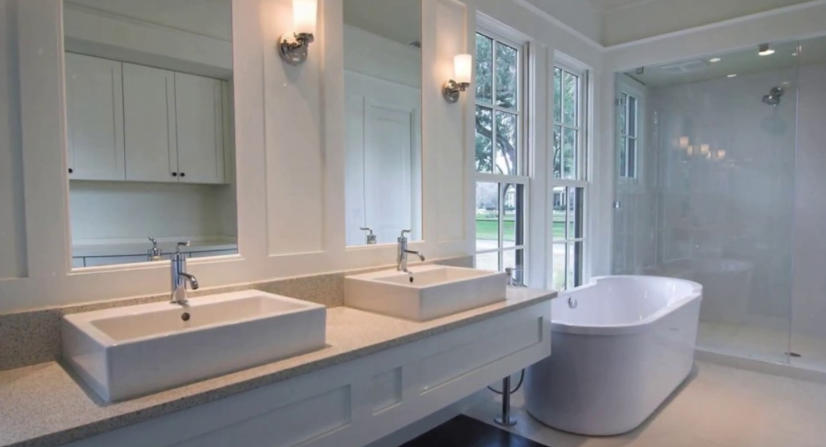
A bathroom remodel is one of the most impactful home improvement projects, but homeowners often underestimate the time it requires. Whether you are planning a simple update or a full-scale transformation, understanding the timeline helps you set realistic expectations and avoid unnecessary stress. If you are considering Bathroom Remodeling in Gilbert, AZ, knowing what affects the duration of the project can help you plan more efficiently and coordinate your daily routine during construction.
Understanding the Average Timeline
On average, a typical bathroom renovation takes anywhere from 2 to 6 weeks once construction begins. However, the total project timeline—including planning, design, and material selection—can extend to 4 to 8 weeks or even longer for complex remodels. The variation depends on the size of the bathroom, the scope of work, and how quickly decisions are made before construction starts.
A small bathroom with minor upgrades such as new fixtures, paint, and lighting may be completed in under two weeks. In contrast, a full remodel involving plumbing changes, layout modifications, tile installation, and custom cabinetry will take significantly longer.
Planning and Design Phase
The first stage of any bathroom renovation is planning and design. This phase can take 1 to 3 weeks depending on how quickly homeowners finalize decisions. During this time, you choose layout changes, materials, fixtures, color schemes, and finishes.
Delays in this stage often come from indecision or material availability. For example, custom vanities, specialty tiles, or imported fixtures may require longer lead times. Working with professionals can streamline this phase by helping you select materials that fit your budget and timeline.
Demolition Stage
Once planning is complete, the demolition phase begins. This usually takes 1 to 3 days for an average bathroom. During demolition, old fixtures, tiles, cabinets, flooring, and sometimes drywall are removed.
While demolition is relatively quick, it may reveal hidden issues such as water damage, mold, or outdated plumbing. These surprises can add extra days or even weeks to the renovation timeline depending on the severity of the problem.
Plumbing and Electrical Work
After demolition, the focus shifts to behind-the-wall systems like plumbing and electrical work. This stage typically takes 3 to 7 days, but it can vary depending on the complexity of the remodel.
If you are changing the layout—such as moving a toilet, shower, or sink—plumbing work will take longer. Electrical upgrades, such as installing new lighting, exhaust fans, or outlets, also require careful planning and inspection. In many cases, inspections are required before moving on to the next stage, which can add additional time.
Structural and Wall Preparation
Once plumbing and electrical systems are in place, contractors begin preparing the walls and structure. This includes installing drywall, cement board, waterproofing, and insulation. This stage usually takes 2 to 5 days.
Proper waterproofing is especially important in bathrooms to prevent moisture damage and mold growth. Skipping or rushing this step can lead to costly repairs later, so professionals take extra care to ensure everything is sealed correctly.
Tile Installation and Flooring
Tile work is one of the most time-consuming parts of a bathroom renovation. Depending on the design complexity, it can take 3 to 7 days or more. This includes floor tiles, shower walls, backsplashes, and decorative accents.
After tile installation, grout must cure properly, which may require an additional 24 to 72 hours before proceeding. Intricate tile patterns or large-format tiles may also extend the timeline due to precise alignment requirements.
Fixture Installation and Finishing Touches
Once tiling is complete, the installation of fixtures begins. This includes sinks, toilets, bathtubs, faucets, lighting, mirrors, and cabinetry. This stage typically takes 2 to 4 days.
During this phase, the bathroom starts to resemble its finished form. However, attention to detail is crucial, as improper installation can lead to leaks, misalignment, or functionality issues.
Final Inspection and Cleanup
The final stage of a bathroom renovation involves inspection and cleanup, which usually takes 1 to 2 days. Contractors will check for proper installation, ensure plumbing and electrical systems function correctly, and confirm that all finishing work meets quality standards.
Once everything passes inspection, the space is cleaned thoroughly so it is ready for use. At this point, the renovation is officially complete.
Factors That Affect Renovation Time
Several factors can influence how long a bathroom remodel takes. These include:
Size of the bathroom: Larger bathrooms require more materials and labor.
Scope of work: A full remodel takes longer than a cosmetic update.
Material availability: Custom or imported materials may delay progress.
Structural issues: Hidden damage can extend timelines unexpectedly.
Permit and inspection requirements: Local regulations may add waiting periods.
Contractor efficiency: Experienced professionals often complete work faster and more smoothly.
How to Speed Up the Process
While some delays are unavoidable, homeowners can take steps to reduce renovation time. Making decisions early, ordering materials in advance, and working with experienced contractors can significantly improve efficiency. Clear communication and realistic expectations also help keep the project on track.
Conclusion
A bathroom renovation is a multi-stage process that requires careful planning, coordination, and execution. While most projects take between 2 to 6 weeks once construction begins, the total timeline depends on the complexity and preparation involved. By understanding each phase and working with skilled professionals, homeowners can ensure a smoother and more predictable remodeling experience that results in a functional and beautiful bathroom space.