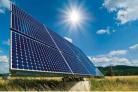
As Pakistan increasingly embraces renewable energy, homeowners and businesses are turning to solar power as a cost‑effective and sustainable solution. While solar panels generate electricity and reduce reliance on the grid, their full potential can only be realized through government‑backed incentives like net metering. By feeding excess electricity back into the grid, users can earn energy credits, offset future bills, and make solar investments even more financially rewarding.
Net Metering in Pakistan is a policy framework that allows solar energy producers to connect their systems to the national grid. When a solar system produces more electricity than a property consumes, the surplus is exported to the utility company. In return, the consumer earns credits that reduce future electricity bills. This mechanism not only improves return on investment (ROI) but also encourages more widespread adoption of solar energy across residential, commercial, and industrial sectors.
How Net Metering Works
Net metering operates through a two-way connection between a solar energy system and the local grid. Here's a simplified explanation:
- Energy Generation: Solar panels produce electricity during the day.
- Self-Consumption: The generated electricity first powers your home, business, or industrial facility.
- Exporting Surplus: Any excess electricity not immediately used is sent to the grid.
- Credit Accumulation: The utility company tracks the exported energy and credits it to your account.
- Offset Future Usage: During periods of low sunlight or higher consumption, these credits offset your electricity bills.
With net metering, the electricity meter runs backward when surplus power is exported and forward when energy is drawn from the grid, ensuring accurate tracking and billing.
Benefits of Net Metering in Pakistan
1. Reduced Electricity Bills
By exporting surplus energy and earning credits, consumers can drastically reduce their monthly utility costs. Some households with large solar systems may even achieve near-zero electricity bills.
2. Increased Return on Investment (ROI)
Net metering allows solar users to recover their initial installation costs faster. The ability to sell surplus electricity directly back to the grid improves payback periods and overall financial returns.
3. Energy Independence
Net metering empowers consumers to generate their own electricity, decreasing reliance on unstable grid power. This is especially valuable in regions experiencing frequent load shedding or power outages.
4. Environmental Sustainability
Encouraging solar power through net metering reduces dependency on fossil fuels, lowers carbon emissions, and supports Pakistan’s renewable energy targets.
5. Scalability for Future Growth
As energy needs grow, solar systems can be expanded to generate more electricity, creating additional credits under net metering schemes. This flexibility ensures long-term sustainability.
Eligibility Criteria for Net Metering
In Pakistan, net metering is available for residential, commercial, and industrial users, with specific criteria:
- System Size: Typically, systems must be below a maximum limit set by the local utility. Residential systems generally range from 1 kW to 100 kW, while commercial or industrial setups can be larger.
- Grid Connection: Users must be connected to the local utility grid with proper permissions.
- Approved Solar Installer: Installation must be completed by certified solar companies approved by relevant authorities.
- Net Metering Agreement: Consumers must apply for net metering and obtain approval from the distribution company.
Steps to Apply for Net Metering
- Select a Certified Solar Installer – Choose a reputable company that meets government standards.
- System Design & Proposal – Determine system size and expected energy production.
- Submit Application – Apply to the local electricity distribution company for net metering approval.
- Approval & Meter Installation – Utility company installs a bi-directional meter.
- System Commissioning – Start generating solar power and exporting surplus energy to the grid.
- Monitor & Maintain – Track energy production and consumption using monitoring tools to optimize savings.
Types of Solar Systems Compatible with Net Metering
1. Residential Solar Systems
- Rooftop solar installations
- Typically paired with smaller battery backups
- Designed to meet household energy demands
2. Commercial Solar Systems
- Office buildings, retail spaces, and institutions
- Medium to large rooftop or ground-mounted arrays
- Offset operational electricity costs and reduce peak-hour usage
3. Industrial Solar Systems
- Factories, warehouses, and production plants
- Large-scale installations with high energy output
- Often integrated with advanced monitoring and energy management systems
Financial Advantages of Net Metering
- Faster Payback: Solar users recoup installation costs quicker.
- Reduced Tariff Impact: Electricity price hikes have less effect on households or businesses with net metering.
- Credit Utilization: Exported energy credits can offset future consumption.
- Long-Term Savings: System longevity ensures continued financial benefits for decades.
Net Metering and Government Policies
Pakistan’s National Electric Power Regulatory Authority (NEPRA) regulates net metering and defines policies for approvals, maximum system size, and billing. Key aspects include:
- Eligibility Verification: Distribution companies assess applications.
- Metering Standards: Bi-directional meters must comply with regulatory requirements.
- Billing & Credits: Utilities credit exported energy against future electricity usage, typically calculated monthly or quarterly.
Compliance with these policies ensures seamless integration and fair energy crediting.
Common Misconceptions About Net Metering
- “It’s Only for Large Installations”: Net metering is available for small residential systems too.
- “Exported Energy Isn’t Compensated Properly”: Credits are tracked accurately through bi-directional meters.
- “It’s Expensive to Set Up”: The cost is offset over time by reduced bills and energy credits.
- “Maintenance is Difficult”: Once installed, solar systems with net metering require minimal maintenance.
Maintenance Tips for Optimal Savings
- Regular Cleaning: Keep panels free of dust and debris to maintain efficiency.
- Monitor Output: Use monitoring systems to ensure the panels are producing expected energy.
- Check Metering Accuracy: Ensure the bi-directional meter correctly records exported and imported energy.
- Periodic Professional Inspection: Certified technicians can inspect wiring, inverters, and panel health.
Conclusion
Net metering in Pakistan is a game-changing initiative for anyone investing in solar energy. By allowing households, commercial enterprises, and industries to sell surplus solar power to the grid, it maximizes ROI, reduces electricity bills, and encourages sustainable energy practices. Whether you are installing a residential rooftop system or a large industrial solar farm, net metering ensures that your solar investment delivers long-term financial and environmental benefits.
With certified solar installers and proper regulatory compliance, Pakistan’s net metering policies empower solar users to generate, consume, and export energy efficiently — paving the way for a greener, more cost-effective energy future.
FAQs
What is net metering?
Net metering allows solar system owners to export excess electricity to the grid and receive credits against future bills.
Who is eligible for net metering in Pakistan?
Residential, commercial, and industrial consumers connected to the grid with certified solar installations can apply.
How do I apply for net metering?
Submit an application to your local electricity distribution company through a certified solar installer. Upon approval, a bi-directional meter is installed.
How much electricity can I sell back to the grid?
This depends on your system size and local utility policies, usually capped according to NEPRA regulations.
Do I need batteries for net metering?
Batteries are optional. Grid-connected systems without storage can still participate in net metering and earn credits.
What are the financial benefits?
Reduced electricity bills, faster ROI on solar investments, and long-term savings through energy credits.