


The Importance of Dry Add Units in Industrial Water Treatment
Introduction
Industrial water treatment plays a critical role in maintaining safe, efficient, and environmentally responsible operations across various industries. From manufacturing plants to municipal water facilities, accurate chemical treatment is essential for achieving high water quality standards and protecting industrial equipment. One of the most effective solutions used in modern water treatment systems is the dry add unit.
Dry add units are designed to automate the handling, mixing, and feeding of dry chemicals into water treatment systems. These systems help improve chemical accuracy, reduce operational waste, and enhance overall treatment efficiency. As industries continue moving toward automation and precision-based operations, dry add units have become an essential part of industrial water treatment infrastructure.
The growing demand for consistent water quality and efficient chemical handling has significantly increased the adoption of automated dry chemical feed systems worldwide.
What Are Dry Add Units?
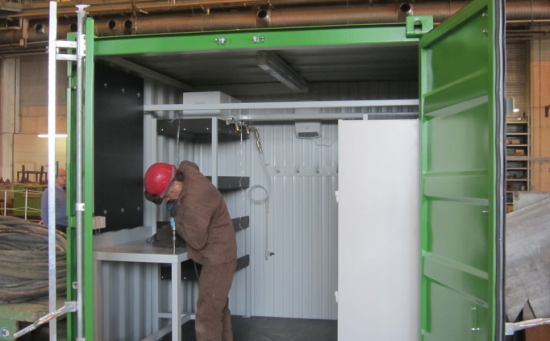
Dry add units are specialized systems engineered to prepare dry chemicals by accurately mixing them with water before introducing them into industrial processes. These units are commonly used to handle powdered or granular chemicals safely and efficiently.
The system automatically controls chemical dosing, ensuring precise concentrations throughout the treatment process. By automating chemical preparation, dry add units eliminate many of the inconsistencies associated with manual mixing methods.
Industries commonly use dry add units for chemicals such as:
-
Polymers
-
Lime
-
Activated carbon
-
Coagulants
-
Flocculants
-
pH adjustment chemicals
These systems are widely recognized for improving operational performance while reducing chemical handling risks.
Why Water Treatment Facilities Use Dry Add Units
Accurate Chemical Dosing
One of the biggest challenges in water treatment is maintaining accurate chemical concentrations. Even minor dosing errors can affect water quality and treatment efficiency.
Dry add units provide precise and consistent chemical feeding, ensuring that treatment processes operate at optimal performance levels. Automated dosing minimizes human error and improves overall system reliability.
Improved Water Quality
Consistent chemical preparation directly impacts water purification performance. Properly mixed treatment chemicals improve coagulation, sedimentation, and filtration processes.
By delivering stable chemical concentrations, dry add units help facilities achieve better water clarity, contaminant removal, and compliance with environmental standards.
Reduced Chemical Waste
Manual chemical preparation often leads to overfeeding or underfeeding, resulting in wasted materials and increased operating costs.
Dry add units optimize chemical consumption by delivering controlled and measured dosing. This efficient use of chemicals helps facilities lower expenses while reducing environmental impact.
Enhanced Workplace Safety
Handling dry chemicals manually can expose workers to airborne dust and hazardous substances. Dry add units reduce direct operator contact with chemicals by automating the feeding and mixing process.
This improves workplace safety while helping facilities maintain compliance with occupational safety regulations.
Increased Operational Efficiency
Automation is becoming increasingly important in industrial water treatment. Dry add units reduce the need for manual labor and streamline chemical preparation tasks.
Operators can focus on monitoring and optimizing treatment systems instead of spending time on repetitive chemical mixing procedures.
Applications of Dry Add Units in Water Treatment
Municipal Water Treatment Plants
Municipal facilities use dry add units to prepare treatment chemicals for drinking water purification. These systems help ensure consistent water quality for public distribution.
Accurate chemical preparation improves contaminant removal while supporting regulatory compliance.
Wastewater Treatment Facilities
Wastewater treatment plants rely on dry add systems for handling polymers and coagulants used in sludge treatment and water clarification.
Efficient chemical dosing improves separation processes and enhances overall treatment performance.
Industrial Process Water Systems
Manufacturing facilities often require treated water for production operations. Dry add units help maintain water quality standards while protecting industrial equipment from scaling and corrosion.
Cooling Tower Water Treatment
Cooling towers require balanced chemical treatment to prevent algae growth, corrosion, and mineral buildup. Dry add units provide reliable chemical preparation for maintaining system efficiency.
Features of Modern Dry Add Units
Modern dry add units are equipped with advanced technologies that improve performance and simplify operations. Common features include:
-
Automated dosing controls
-
Precision mixing systems
-
Dust containment mechanisms
-
Corrosion-resistant materials
-
User-friendly control panels
-
Adjustable feed rates
-
Compact installation designs
-
Low-maintenance operation
These features allow water treatment facilities to improve productivity while reducing downtime and maintenance costs.
Advantages of Automated Chemical Feed Systems
Consistency and Reliability
Automated dry add units deliver consistent results throughout the treatment process. This reliability helps facilities maintain stable water quality and reduce operational interruptions.
Lower Labor Costs
By automating chemical preparation, facilities can reduce the labor required for manual mixing and monitoring. This leads to improved workforce efficiency and lower operational expenses.
Better Environmental Compliance
Efficient chemical usage helps minimize waste and supports environmental sustainability goals. Automated systems also help facilities meet increasingly strict regulatory standards.
Long-Term Cost Savings
Although automated dry add systems require an initial investment, they often generate long-term savings through improved efficiency, reduced waste, and lower maintenance requirements.
Choosing the Right Dry Add Unit for Water Treatment
Selecting the proper dry add unit depends on several operational factors, including:
-
Type of chemicals used
-
Water treatment capacity
-
Required dosing accuracy
-
Installation space
-
Maintenance preferences
-
Automation requirements
Working with an experienced supplier ensures the system is properly designed to meet specific treatment goals.
Future of Dry Add Units in Water Treatment
As industries continue adopting advanced automation technologies, dry add units will play an even greater role in water treatment operations. Smart monitoring systems, digital controls, and improved energy efficiency are shaping the future of chemical handling equipment.
Facilities investing in modern dry chemical feed systems can expect improved productivity, enhanced safety, and better long-term operational performance.
Conclusion
Dry add units have become an essential solution in modern industrial water treatment systems. Their ability to improve chemical accuracy, enhance safety, reduce waste, and increase operational efficiency makes them highly valuable across various treatment applications.
From municipal water purification to industrial wastewater management, these systems help facilities maintain consistent water quality while lowering operating costs. As water treatment demands continue to grow, dry add units will remain a critical component of efficient and sustainable industrial operations.
Categorias
Leia Mais
Hero Homes is kinda reshaping premium residential living, bringing modern architecture, luxury apartments,and world class lifestyle amenities all to one of the fastest growing real estate hotspots in Uttar Pradesh. It’s basically made for families who care about comfort, everyday convenience, and also long term value. With Hero Homes, homebuyers and investors get a solid chance to try...

In the world of luxury fashion, few brands have cultivated the mystique and cult following of realchromehearts. Known for its gothic-inspired designs, handcrafted silver jewelry, and exclusivity, Chrome Hearts has become much more than a fashion label—it is a symbol of individuality, artistry, and rebellious luxury. The Origins of Chrome Hearts Chrome Hearts was founded in 1988 by...

We define modern minimal style through the deliberate selection of essential clothing that emphasizes clarity, intention, and refined simplicity in everyday dressing. By focusing on fewer but better pieces, we create a wardrobe that reflects balance and purpose without excess. Essential clothing acts as the structural base that allows us to remove unnecessary distractions while maintaining...

Path of Exile 2 introduces a wealth of versatile builds, but few balance accessibility, control, and damage as seamlessly as the Entangle Oracle. A Druid Ascendancy-focused build, it leverages the Oracle's fate-manipulating passives and the Entangle skill's crowd control to dominate both campaign content and endgame maps-making it ideal for Poe 2 trade beginners and veteran players alike....
Planning a family trip is always exciting, but it can also come with its fair share of challenges. From coordinating travel arrangements to ensuring everyone arrives comfortably and on time, managing transportation for a large family can quickly become stressful. This is where minibus services step in to make family travel easier, more comfortable, and far more enjoyable. Whether you're heading...