


The Complete Guide to Seiko Watches: Heritage, Craftsmanship, and Innovation
Introduction
Seiko Watch, a name synonymous with precision, innovation, and timeless elegance, has been a global leader in watchmaking for over a century. From its humble beginnings in Tokyo in 1881 to becoming a pioneer in quartz technology, Seiko has redefined how the world perceives time. This article delves deep into Seiko’s history, technology, iconic models, and its impact on horology.
1. History of Seiko
1.1 Founding Years
seikowatch.co.uk was founded by Kintaro Hattori in Tokyo, Japan, in 1881. Initially a small watch and jewelry shop, it quickly evolved into a manufacturer known for its commitment to precision and quality. By 1892, the company had established a factory, Seikosha, dedicated to producing wall clocks.
1.2 Early Innovations
In 1913, Seiko released its first wristwatch, the Laurel, marking the beginning of its journey in wearable timepieces. Over the decades, Seiko continually innovated:
-
1956: Japan’s first automatic wristwatch
-
1969: Astron, the world’s first quartz wristwatch
1.3 Growth and Global Expansion
By the 1970s and 1980s, Seiko expanded globally, opening subsidiaries in Europe and North America. Its combination of reliability and affordability made it a household name worldwide.
2. Seiko Technology and Innovations
2.1 Quartz Revolution
The introduction of quartz technology revolutionized watchmaking. Seiko’s Astron in 1969 offered unprecedented accuracy, outperforming mechanical watches of the era.
2.2 Spring Drive
Introduced in 1999, the Spring Drive combines mechanical watch craftsmanship with quartz accuracy. The movement allows for a continuous, smooth-sweeping second hand—a hallmark of Seiko engineering.
2.3 Kinetic Technology
Seiko’s Kinetic watches convert kinetic energy from the wearer’s motion into electrical energy, bridging the gap between automatic and quartz watches.
2.4 Prospex and Diver Innovations
Seiko’s dive watches have set global standards. Models like the Prospex series offer water resistance up to 1000 meters, robust durability, and ISO certification for professional diving.
3. Iconic Seiko Watch Collections
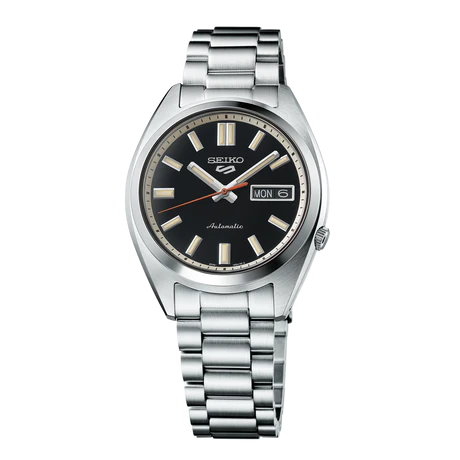
3.1 Seiko 5
Introduced in the 1960s, Seiko 5 remains an entry-level, automatic watch collection renowned for its reliability and affordability. Its hallmark features:
-
Automatic movement
-
Day-date display
-
Water resistance
3.2 Presage
The Presage line blends traditional craftsmanship with modern aesthetics. These watches feature enamel and lacquer dials inspired by Japanese artistry.
3.3 Prospex
Professional-grade dive and sports watches for adventurers. Robust, functional, and stylish, Prospex watches are designed to endure extreme conditions.
3.4 Grand Seiko
Grand Seiko represents Seiko’s high-end segment, competing with Swiss luxury brands. Key features:
-
Spring Drive and high-precision mechanical movements
-
Zaratsu-polished cases
-
Exceptional attention to detail
4. Seiko Watch Craftsmanship
4.1 Movements
Seiko manufactures its own movements in-house. From quartz to Spring Drive and mechanical calibers, every movement is meticulously crafted to ensure precision and longevity.
4.2 Materials and Durability
High-quality stainless steel, titanium, sapphire crystal, and ceramic components make Seiko watches durable and scratch-resistant. Some dive models feature proprietary coatings to enhance corrosion resistance.
4.3 Design Philosophy
Seiko emphasizes understated elegance. The combination of Japanese minimalism, attention to detail, and innovative finishing techniques results in watches that balance functionality and aesthetics.
5. Collectibility and Investment Value
Seiko watches, especially vintage models and limited editions, have become highly sought-after by collectors. Examples include:
-
Vintage Seiko 6105 diver watches
-
Limited Grand Seiko Spring Drive editions
Seiko’s reputation for reliability, historical significance, and craftsmanship ensures their watches often appreciate in value over time.
6. Maintenance and Longevity
Proper care extends the life of a Seiko watch. Key tips include:
-
Regular servicing every 3–5 years for mechanical models
-
Avoiding extreme temperatures and magnetic fields
-
Proper cleaning of the case and bracelet
Seiko’s global service network ensures long-term maintenance and parts availability.
7. Seiko in Popular Culture
Seiko watches have appeared in films, sports, and cultural milestones:
-
Worn by astronauts in space missions
-
Featured in James Bond movies
-
Endorsed by athletes and adventurers
This association with exploration, precision, and style reinforces Seiko’s brand image worldwide.
8. Buying Guide
When choosing a Seiko watch, consider:
-
Purpose: casual, formal, sports, or diving
-
Movement type: quartz, automatic, Spring Drive, or Kinetic
-
Budget: from entry-level Seiko 5 to luxury Grand Seiko
-
Features: water resistance, chronograph, GMT, or limited editions
9. Seiko vs. Other Brands
Seiko stands out due to:
-
In-house movement manufacturing
-
Diverse range covering affordable to luxury
-
Technological innovations like Spring Drive and Kinetic
Compared to Swiss competitors, Seiko offers exceptional value without compromising quality.
10. Future of Seiko
Seiko continues to innovate with smart watches, sustainable materials, and limited-edition collaborations. The brand’s commitment to craftsmanship and technology ensures it remains relevant in a rapidly changing market.
Conclusion
From the first Laurel wristwatch to the modern Grand Seiko masterpieces, Seiko’s legacy is built on precision, innovation, and artistry. Whether you are a collector, an enthusiast, or a casual wearer, Seiko offers a timepiece that blends heritage with contemporary design.
Категории
Больше
Buy Old Facebook Account Buy an old Facebook account can be a strategic move for those seeking to enhance their online presence. These accounts often come with established friendships, post histories, and credibility that new profiles simply lack. When you purchase an old account, you gain immediate access to potential followers who may already resonate with your content or brand. This can save...

The world of streetwear has changed a lot over the years, and today people look for clothing that is not only stylish but also comfortable and practical. Drew House is one of the brands that has made a strong place in this fashion space. Founded by Justin Bieber, the brand became popular because it offers relaxed clothing with a simple but attractive look. Among all its items, the Drew House...
Introduction Buying a home is one of the most important financial decisions a person can make. Whether you are purchasing your first property, upgrading to a larger house, or investing in real estate, having the right financial support can make the process significantly easier. Understanding mortgage options, loan programs, and financing strategies helps buyers make confident and...

The Surge Filters Market is expanding due to increasing demand for reliable protection of electrical and electronic equipment from voltage spikes and power surges. Surge filters help safeguard sensitive devices, reduce downtime, and enhance equipment lifespan across industrial, commercial, and residential sectors. Growing adoption of automation, smart grid technologies, and advanced...

Winter's chill offers fragrance lovers a unique opportunity to envelop themselves in scent. Frigid temperatures make us all yearn for a sense of snugness be it layering soft clothing, cozying up by a fireplace, or sipping hot beverages and the best winter perfumes reflect that desire. Seasonal shifts impact the ingredients we hermesoransandals.com gravitate to wear, as fragrance is the...