


Hidden Ductless Mini Split: Smart Comfort Without Visible Clutter
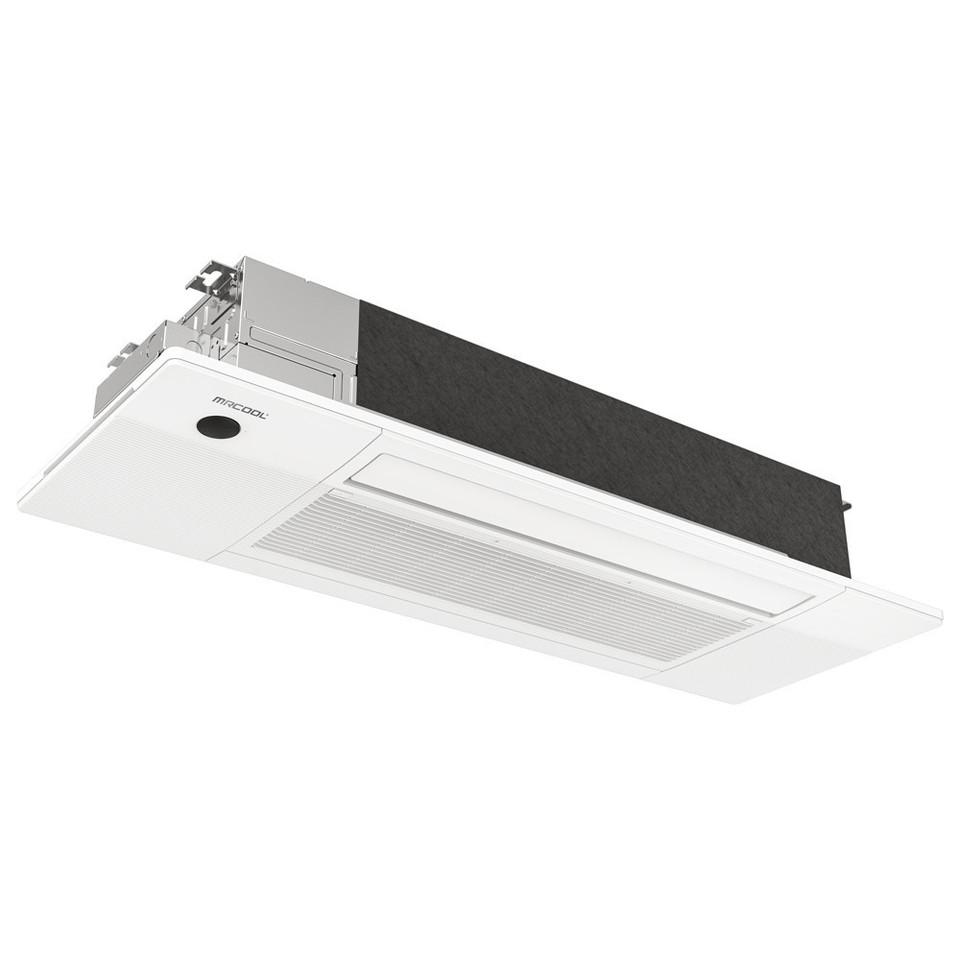
Modern homeowners don’t just care about comfort anymore. They care about how that comfort looks inside their home. Bulky systems, exposed pipes, and noisy units often feel out of place in today’s clean interior designs, where minimalism and visual harmony matter just as much as temperature control.
That’s where the idea of a hidden ductless mini split starts to stand out in a more meaningful way for design-focused living spaces.
It’s designed to deliver powerful heating and cooling while staying visually subtle. Instead of dominating a room, it blends into it. Comfort becomes something you feel, not something that interrupts your space or competes with your interior style.
And for many people, that balance between performance, efficiency, and design is exactly what makes it worth considering for modern homes.
Why Hidden Ductless Mini Split Systems Are Gaining Attention
The demand for hidden HVAC solutions isn’t random. It comes from how homes are designed and used today, where aesthetics, functionality, and energy awareness must coexist without one compromising the other in daily living environments.
Home design is becoming more minimal and clean
Interior spaces today focus heavily on simplicity, open layouts, and visual clarity. Homeowners want systems that don’t interrupt wall design or ceiling architecture. A hidden ductless mini split supports that goal by staying visually discreet while still delivering full heating and cooling performance.
People want comfort without visible equipment
Traditional HVAC systems often come with visible units, vents, or bulky wall-mounted devices that can interrupt interior design flow. Many homeowners now prefer systems that blend into the background instead of becoming a focal point in carefully designed living spaces.
Energy efficiency still remains a top priority
Even with design concerns, performance matters most in real-world usage. Hidden ductless systems still provide zoned cooling and heating, helping reduce unnecessary energy consumption across the home while maintaining comfort consistency in occupied areas.
What Is a Hidden Ductless Mini Split System?
A hidden ductless mini split is a variation of traditional ductless systems where indoor components are designed to stay less visible while still delivering efficient heating and cooling in a way that supports modern interior design requirements and architectural planning.
Concealed indoor installation approach
Instead of large visible wall-mounted units, some hidden systems use concealed ceiling or recessed installations that blend into architectural design elements, making the system almost invisible while still maintaining strong performance output.
Outdoor unit handles all major heat exchange
The outdoor compressor remains responsible for transferring heat in and out of the home, while indoor components stay subtle and less noticeable, ensuring that visual disruption inside the living space is minimized.
Air distribution remains highly efficient
Even though the system is hidden, airflow is still delivered efficiently into rooms through carefully designed vents or concealed outlets that maintain proper circulation without affecting comfort quality.
How Hidden Ductless Mini Split Systems Work
The working principle remains similar to other ductless systems, but with a stronger focus on discreet integration into home design while still maintaining high energy efficiency and consistent indoor comfort levels.
Heat transfer system remains the core function
The system still moves heat instead of generating it directly. During summer, heat is removed from indoor air, and during winter, warmth is brought inside, ensuring year-round comfort through the same system.
Refrigerant lines connect hidden components
A sealed refrigerant system connects indoor and outdoor units, allowing heat energy to move efficiently without relying on bulky duct networks that often reduce efficiency in traditional HVAC setups.
Concealed air delivery maintains comfort
Air is distributed through hidden or less visible outlets, ensuring comfort without disrupting the visual design of the space, while still maintaining consistent airflow and temperature balance.
Benefits of Using a Hidden Ductless Mini Split System
These systems are not just about appearance. They combine efficiency, comfort, and modern design flexibility in one solution that fits well into both contemporary and renovated living spaces.
Clean interior aesthetics without visible units
One of the biggest advantages is maintaining a clean and modern interior look without wall-mounted units dominating the space or interfering with carefully designed architectural themes.
Zoned comfort control for different areas
Each indoor unit or zone can be controlled independently, allowing different temperatures across different rooms based on usage patterns, lifestyle needs, and personal comfort preferences throughout the day.
Reduced energy waste with targeted operation
Because the system only conditions occupied spaces, energy is used more efficiently compared to traditional full-home HVAC systems that often heat or cool unused rooms unnecessarily.
Design and Installation Considerations
Hidden ductless systems require more thoughtful planning during installation to ensure both performance efficiency and proper visual integration within modern architectural and interior design frameworks.
Ceiling or concealed wall installation planning
These systems often require recessed or concealed placement, which needs proper coordination with interior design and construction planning to ensure both functionality and aesthetic balance are maintained effectively.
Airflow direction must be carefully managed
Even though units are hidden, airflow must still circulate properly to avoid uneven temperature distribution within rooms, which requires careful system design and professional installation expertise.
Maintenance access should remain possible
While the system is concealed, access points must still be available for cleaning, servicing, and inspections when needed to ensure long-term reliability and consistent performance.
Energy Efficiency Advantages of Hidden Ductless Systems
Even with a focus on design and aesthetics, these systems maintain strong performance and efficiency levels that are comparable to or better than traditional HVAC systems in many real-world applications.
No duct-related energy loss
Since there are no long duct networks, the system avoids common energy losses associated with traditional HVAC systems, allowing more efficient heating and cooling delivery directly into living spaces.
Smart inverter technology improves efficiency
The compressor adjusts its speed based on real-time temperature needs, reducing unnecessary energy consumption and helping maintain stable indoor comfort without constant power cycling.
Room-based usage reduces overall load
Only the areas in use are conditioned, which lowers overall system workload and helps reduce electricity costs while improving long-term energy efficiency in practical usage scenarios.
Final Thoughts:
For homeowners who care about both comfort and design, the answer is often yes. These systems offer efficient heating and cooling without compromising interior aesthetics or architectural planning goals.
They don’t just condition air, they integrate into the home quietly and intelligently while supporting modern lifestyle needs.
And in modern living spaces, that kind of balance matters more than ever before.
Κατηγορίες
Διαβάζω περισσότερα
In today’s digital world, people have access to more information than ever before. However, turning large amounts of information into useful and engaging content can be challenging. Whether it is a research paper, business report, online article, or educational material, users often need a faster way to understand and share knowledge. ListenHub AI provides an innovative solution by using...

Why Are Old Gmail Accounts a Smart Choice for Marketers? In the hyper-competitive arena of modern digital marketing, execution speed and campaign stability determine your overall profitability. Performance marketers who rely on newly registered email addresses to launch bulk outreach, cold pitching, or lead generation funnels face severe roadblocks. Fresh accounts are automatically put into an...

According to the latest report published by Data Bridge Market Research, the Pharmaceutical Processing Equipment Market The global pharmaceutical processing equipment size was valued at USD 16.42 billion in 2024 and is projected to reach USD 33.72 billion by 2032, with a CAGR of 9.41 % during the forecast period of 2025 to 2032. In The large scale Pharmaceutical Processing Equipment...

Buy LinkedIn accounts In today’s digital landscape, having a robust online presence is more crucial than ever. LinkedIn stands out as the premier platform for professionals to connect, network, and showcase their expertise. But what if you’re just starting or your current account isn’t making the impact you desire? This is where purchasing LinkedIn accounts can be a game...

Why Breitling Watches Stay the Ultimate Pilot‘s Choice over a Century When discussing luxury timepieces that have truly earned their own place in horological history, couple of names command as much regard as Breitling watches. Founded within 1884 by Léon Breitling, the Swiss manufacture offers spent over 140 many years perfecting the art of the wathe, earning...