


Detector IA: Understanding the Future of Intelligent Content Analysis

Introduction
In today’s digital environment, artificial intelligence is no longer a futuristic concept—it is a daily operational tool. One of the most impactful innovations emerging from this space is the Detector IA (Artificial Intelligence Detector). As AI-generated content becomes more widespread, the need to identify, analyze, and verify such content has grown significantly. Businesses, educators, and content creators now rely on Detector IA systems to ensure authenticity, maintain credibility, and uphold quality standards.
What Is a Detector IA?
A Detector IA is a specialized tool designed to identify whether a piece of content has been generated or influenced by artificial intelligence. Unlike traditional plagiarism tools that compare text against existing databases, Detector IA focuses on patterns, structure, predictability, and linguistic signals that are characteristic of machine-generated writing.
These systems are trained on large datasets that include both human-written and AI-generated content. By analyzing sentence construction, word probability, and stylistic consistency, Detector IA tools can estimate the likelihood that a text was produced by an AI model.
Why Detector IA Matters Today
The rise of generative AI tools has made content creation faster and more accessible. However, this convenience comes with challenges. Without proper verification, it becomes difficult to distinguish between human insight and automated output.
Detector IA plays a critical role in several areas:
-
Academic Integrity: Educational institutions use it to ensure that students submit original work.
-
Content Marketing: Brands rely on authentic messaging to build trust, making AI detection essential.
-
Publishing and Journalism: Media organizations need to verify the origin of written material before publication.
-
Recruitment Processes: Employers may analyze written submissions to assess genuine candidate skills.
In each of these cases, Detector IA helps maintain transparency and accountability.
How Detector IA Works
The functionality of Detector IA is based on advanced machine learning algorithms. These systems evaluate multiple factors simultaneously:
1. Linguistic Patterns
AI-generated text often follows predictable sentence structures. Detector IA identifies these patterns and compares them to human writing variability.
2. Perplexity Analysis
Perplexity measures how predictable a piece of text is. Lower perplexity often suggests machine-generated content, while higher variability indicates human writing.
3. Burstiness
Human writing tends to vary in tone and sentence length, while AI content can appear overly consistent. Detector IA evaluates this fluctuation to make assessments.
4. Contextual Coherence
Although AI is improving, it sometimes produces text that is logically correct but lacks deeper contextual understanding. Detector IA flags such inconsistencies.
Benefits of Using Detector IA
Implementing a Detector IA system offers several advantages:
-
Improved Content Authenticity: Ensures that published material reflects genuine human input.
-
Enhanced Trust: Builds credibility with audiences who value transparency.
-
Quality Control: Helps editors and reviewers maintain high standards.
-
Time Efficiency: Automates the process of reviewing large volumes of text.
These benefits make Detector IA an essential tool in modern digital workflows.
See more : KI detector
Limitations to Consider
While Detector IA is highly advanced, it is not flawless. AI models are continuously evolving, making detection increasingly complex. Some limitations include:
-
False Positives: Human-written content may occasionally be flagged as AI-generated.
-
False Negatives: Highly refined AI content can sometimes bypass detection.
-
Dependence on Training Data: Accuracy depends on how well the system has been trained.
Because of these factors, Detector IA should be used as a supportive tool rather than a definitive authority.
Best Practices for Creating Unique Content
To avoid reliance on detection tools and ensure originality, consider the following strategies:
-
Focus on personal insights and real-world examples.
-
Avoid overusing generic phrases or templates.
-
Vary sentence structure and tone naturally.
-
Conduct independent research and synthesize information in your own voice.
These practices not only reduce the risk of duplication but also enhance the overall quality of your content.
Conclusion
Detector IA represents a significant advancement in the way we evaluate written content in the age of artificial intelligence. As AI-generated material becomes more sophisticated, the importance of distinguishing between human and machine-created text will continue to grow. By understanding how Detector IA works and using it effectively, individuals and organizations can protect authenticity, maintain credibility, and adapt to the evolving digital landscape.
For more information: click here
Kategoriler
Read More
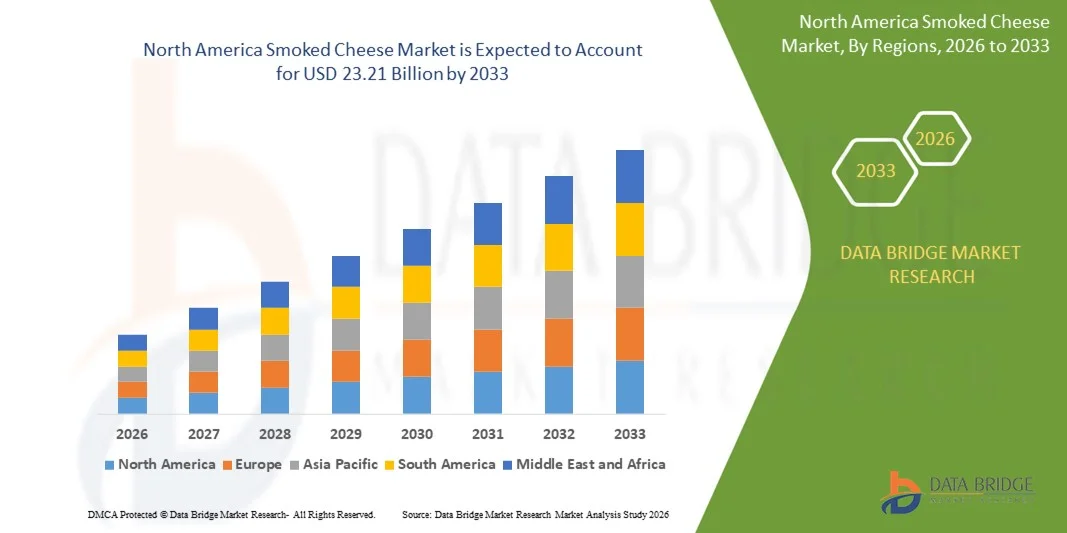
"Regional Overview of Executive Summary North America Smoked Cheese Market Market by Size and Share The North America smoked cheese market size was valued at USD 15.00 billion in 2025 and is expected to reach USD 23.21 billion by 2033, at a CAGR of 5.00% during the forecast period The strategies encompassed in the North America Smoked Cheese Market report...
Introduction The fast food industry in the United States is highly dynamic, with burgers being one of the most popular items on menus nationwide. With increasing competition, businesses must focus not only on taste but also on presentation and packaging. High-quality packaging ensures that food remains fresh, appealing, and easy to handle. In this competitive market, "burger boxes in USA" have...

Automatic Sliding Doors are a cornerstone in modern controlled facilities, and at yd-purification, they are engineered to provide seamless operation, safety, and efficiency. Designed for high-traffic and sensitive environments, these doors allow smooth access while maintaining environmental stability and preventing contamination. In industries such as healthcare, pharmaceuticals, biotechnology,...

The Optical Fiber Clamp Market was valued at USD 1.2 billion in 2024 and is projected to reach USD 2.5 billion by 2034, registering a CAGR of 7.5%. The latest report, titled ‘Global Optical Fiber Clamp Market,’ comprises a profound analysis of the fundamental parameters contributing to the global Optical Fiber Clamp market scenario. The research report provides the reader with...

In the traditional era of banking risk management, spotting fraud was a relatively straightforward exercise. If an individual or corporate director applied for a loan, you verified their physical documentation, checked their credit score through a primary bureau, and confirmed their employment or business registration status. If the passport photo matched the face across the desk and the...