


Beginner-Friendly Ideas to Start a Profitable Custom Stitching Company
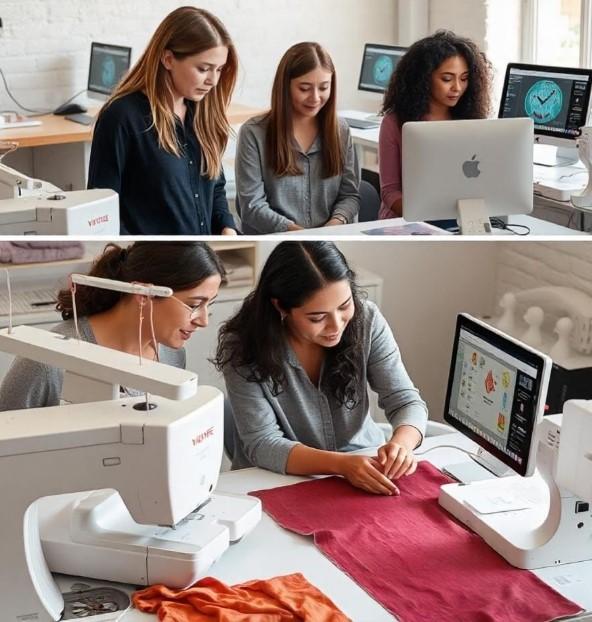
Starting a custom stitching company can be a smart way to turn skill into income. Many people want custom shirts, caps, bags, and gifts. Small brands, schools, teams, and events all need stitched items. If you enjoy making clean and neat work, this can grow into a strong business.Many new owners begin with simple tools and one machine. They learn step by step and grow over time. If you want a smooth start, study proven Embroidery Business Startup Tips and build a clear plan. Good habits in the first stage can save money, time, and stress later.
Why This Business Has Good Potential
Custom stitching is always in demand. People love items made just for them. A name on a cap or logo on a shirt adds value. This means buyers often pay more for custom work.
You can serve many types of clients, such as:
-
Local shops
-
Sports teams
-
Schools
-
Work offices
-
Gift buyers
-
Online customers
This gives you many ways to earn.
Start with a Clear Business Plan
A plan helps you stay focused. You do not need a big file full of hard words. Keep it simple and useful.
Include These Basic Points
-
What items will you sell?
-
Who will buy from you?
-
How much will you charge?
-
What tools do you need?
-
How will people find you?
-
What are your monthly costs?
When you know these answers, you make better choices.
Pick a Small Niche First
Do not try to serve everyone on day one. Choose one area first.
Examples:
-
School uniforms
-
Baby gifts
-
Work shirts
-
Sports wear
-
Wedding items
A niche helps you market better and build trust fast.
Choose the Right Equipment
Your machine is the heart of the business. Pick one that matches your budget and work size.
Single Needle Machines
Good for beginners. Best for lower order numbers and home use.
Multi Needle Machines
Good for faster work. Great when you get many orders.
Other Helpful Tools
-
Hoops in many sizes
-
Good thread
-
Sharp needles
-
Backing material
-
Small scissors
-
Heat press
-
Packing supplies
Buy quality where it matters most. Cheap tools can cause slow work and poor results.
Learn the Craft Well
Skill matters more than fancy tools. A basic machine in skilled hands can do great work.
Practice Every Week
Test on old shirts and fabric scraps. Try names, shapes, and logos.
Learn Fabric Types
Each fabric acts in a new way. Cotton, fleece, caps, and bags all need care.
Understand Thread Tension
Wrong tension can break thread or ruin design quality.
Keep Notes
Write what worked and what failed. This saves time later.
Build a Strong Brand
Your brand is how people remember you. It should look clean and feel clear.
Choose a Good Name
Pick a short name that is easy to say and spell.
Create a Clean Logo
Use simple colors and neat design.
Use Same Look Everywhere
Use the same logo, colors, and tone on:
-
Social pages
-
Cards
-
Website
-
Labels
-
Packing
This builds trust.
Price Your Work the Smart Way
Many beginners charge too low. They think cheap prices bring more buyers. But low rates can hurt the business.
Include All Costs
Count:
-
Fabric or blank item
-
Thread
-
Backing
-
Power use
-
Time spent
-
Packing
-
Delivery cost
Add Profit
You need money left after costs. That is how you grow.
Check Market Rates
Study local sellers. Do not copy them, but learn the price range.
Create Samples That Sell
Samples help buyers trust your work. Show real items, not just ideas.
Make a Starter Set
Create:
-
Polo shirt with logo
-
Cap with name
-
Tote bag design
-
Baby towel gift
-
Hoodie sample
Take bright and clear photos.
Show Close-Up Photos
People want to see stitch quality. Show clean edges and neat fill.
Find Your First Customers
You do not need a huge ad budget.
Start Close to Home
Tell:
-
Friends
-
Family
-
Local stores
-
School staff
-
Gym owners
-
Team coaches
Use Social Media
Post photos, short videos, and happy client reviews.
Join Local Groups
Many towns have online groups where people ask for custom items.
Give Great Customer Service
Service can beat bigger brands. Many buyers return because of how they were treated.
Reply Fast
Answer messages quickly and clearly.
Ask Good Questions
Before work starts, ask:
-
What size logo?
-
Which color thread?
-
How many items?
-
Due date?
Be Honest
If an order needs more time, say so early.
Fix Problems Fairly
Mistakes happen. Handle them with care and respect.
Set Up a Simple Work Flow
A smooth system saves time.
Basic Order Flow
-
Get order details
-
Confirm price
-
Take payment or deposit
-
Prepare design
-
Stitch sample if needed
-
Finish full order
-
Pack items
-
Deliver order
-
Ask for review
Use the same steps each time.
Keep Money Records
Many small shops fail because money is not tracked.
Track Income and Costs
Use a notebook or simple app.
Save for Repairs
Machines need service. Keep a fund ready.
Separate Business Money
Use a different wallet or bank account if possible.
Grow with Smart Marketing
When orders start coming in, keep promoting.
Offer Seasonal Products
Sell items for:
-
School start time
-
Sports season
-
Weddings
-
Holidays
-
Company events
Ask for Reviews
Happy clients can bring new buyers.
Use Repeat Buyers
Offer deals for second or third orders.
Avoid Common Beginner Mistakes
New owners often learn the hard way. You can avoid that.
Taking Every Order
Some jobs are poor fit. It is okay to say no.
Poor Quality Blanks
Cheap shirts can shrink or tear.
No Written Details
Always confirm order info in writing.
Underpricing
Low rates can cause stress and loss.
Skipping Practice
Every new design needs testing.
Build Trust with Quality
Trust grows from small actions done well.
Deliver On Time
Late work can lose clients.
Keep Work Clean
Trim threads. Remove marks. Pack neatly.
Use Good Materials
Strong thread and stable backing improve results.
Stand Behind Your Work
If you made the error, own it and fix it.
Real Growth Takes Time
Many people think profit comes in one month. Real growth often takes longer.
At first, you may have slow weeks. Use that time to:
-
Practice designs
-
Improve photos
-
Learn pricing
-
Clean tools
-
Reach new buyers
Steady work wins over quick hype.
When to Expand
Do not rush into big costs. Expand when demand proves it.
Signs You Are Ready
-
Orders are regular
-
Profit is steady
-
You turn work away
-
Current machine is too slow
-
Buyers ask for more products
Then you can think about another machine or helper.
My Best Advice from Real Experience
The shops that last are not always the biggest. They are the most steady. They answer fast, stitch clean work, and treat people right.
I have seen small home setups beat larger shops because they cared more about each order. Buyers remember good service and neat results.
Final Thoughts
Starting a profitable custom stitching company is possible for beginners. You do not need to be rich or own a huge shop. Start small. Learn daily. Buy smart tools. Price your work right. Treat every client with respect.
Focus on quality, trust, and steady growth. Over time, one machine can become a real business. Keep going, keep learning, and keep your standards high. That is how beginners turn skill into long-term success.
Categorie
Leggi tutto
Pre-built gaming computers have become an excellent choice for players who want reliable gaming performance without assembling a system from individual components. Manufacturers now offer configurations for every budget, making it easier to find hardware that matches different gaming goals. Understanding the major components helps you compare systems with confidence. While appearance and...
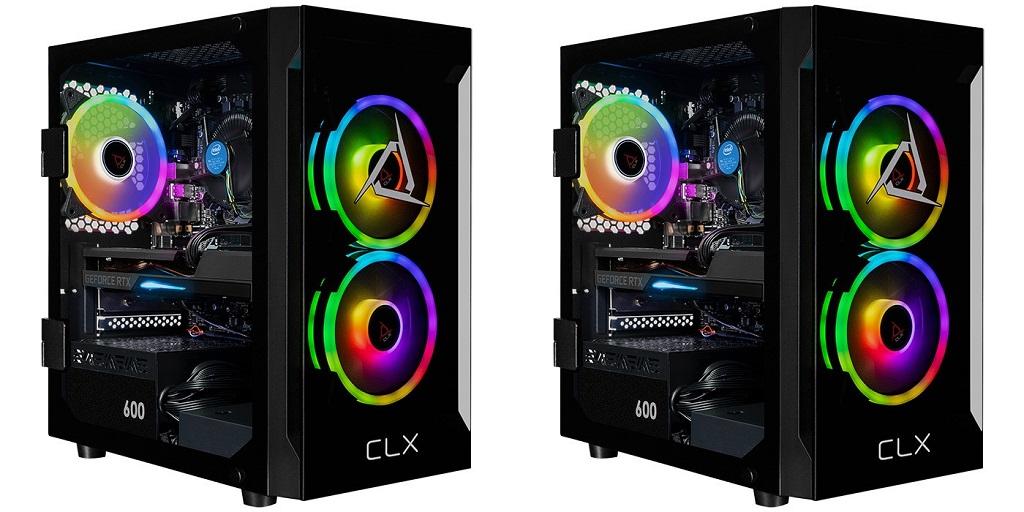
Choosing the right storage solution is more important than ever in today's digital world. Whether you're storing family photos, business documents, games, creative projects, or important backups, selecting the right hard drive can make a significant difference in performance and convenience. Among the most popular storage capacities available today are the 1TB hard drive and 2TB hard...

The Nuclear Seals Market was valued at USD 5.2 billion in 2024 and is projected to reach USD 10.1 billion by 2034, registering a CAGR of 6.8%. The latest report, titled ‘Global Nuclear Seals Market,’ comprises a profound analysis of the fundamental parameters contributing to the global Nuclear Seals market scenario. The research report provides the reader with an in-depth...

Slit gacor menjadi salah satu permainan on-line yang paling populer di Philippines dalam beberapa tahun terakhir. Banyak pemain tertarik mencoba permainan ini karena tampilannya yang menarik, fitur benefit yang beragam, serta peluang kemenangan yang cukup besar. slot gacor Selain itu, perkembangan teknologi membuat permainan slit on-line semakin mudah diakses melalui mobile maupun komputer...

Introduction In today’s digital era, having a strong online presence is essential for businesses of all sizes. "web development" plays a crucial role in building websites that are functional, visually appealing, and user-friendly. From small startups to large enterprises, companies rely on professional development services to create platforms that attract and engage customers. A...