What Steps Help Protect Sprinkler Pipes During Winter?
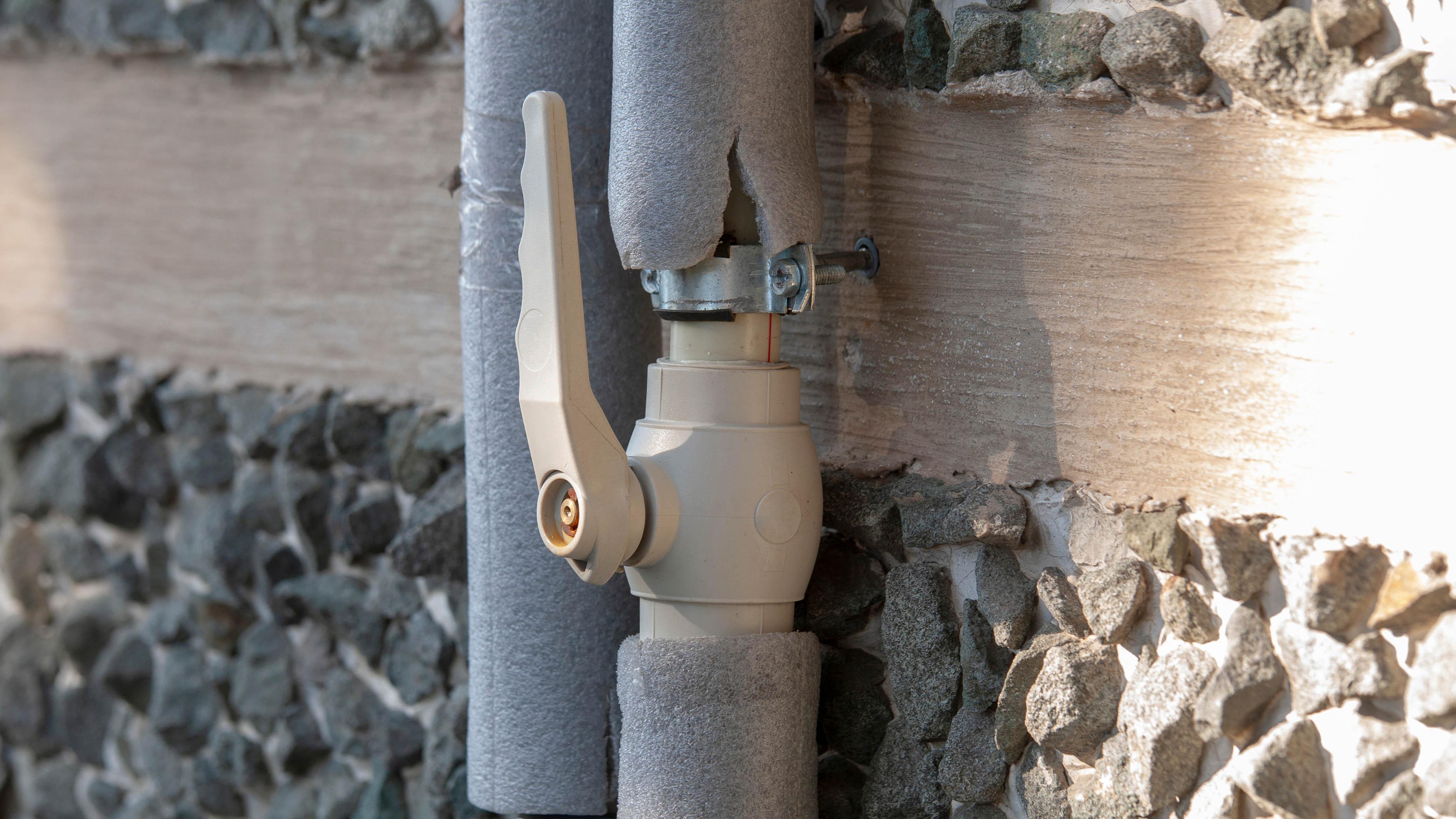
Sprinkler pipes are the distribution network that carries water from the supply source to every head in a fire protection system. Their integrity determines whether the system can deliver water at adequate pressure and volume during a fire event. Winter creates specific threats to this integrity that must be addressed before cold weather arrives. When pipes freeze, they crack and fail in ways that create immediate protection gaps and generate substantial repair expense.
Protecting sprinkler pipes during winter requires a sequential approach that addresses multiple vulnerability categories. Each step in this sequence eliminates or reduces a specific freeze threat. Together, they create comprehensive protection that allows sprinkler pipes to survive winter conditions intact and emerge ready for continued reliable service in the new season.
Step One: Identify Every At-Risk Pipe Section
Effective pipe protection begins with accurate identification of every pipe section that faces genuine freeze risk. Not all pipes in a building are equally vulnerable. Pipes in temperature-controlled interior spaces typically face minimal freeze risk when heating systems operate normally. But pipes in specific locations face elevated freeze risk that requires targeted protective action.
Review your fire protection system drawings to identify every pipe that passes through or is located in potentially cold spaces. Pipes in exterior wall cavities lose heat quickly through the exterior wall surface. Pipes in unheated attic spaces are exposed to ambient outdoor temperatures with minimal thermal protection. Pipes in crawlspaces under buildings face ground-level cold that may be severe during extended cold periods. Pipes in parking structures, loading dock areas, and cold storage spaces are particularly vulnerable in winter.
After completing drawing review, perform a physical walkthrough to verify drawing accuracy and identify any pipe sections that may not be fully documented. Building modifications sometimes create cold-exposed pipe sections that are not reflected in original system drawings. Confirm that every identified vulnerable pipe section is documented in your protection plan before proceeding to protective measures. This documentation ensures that no vulnerable section is overlooked and that all protection activities are properly targeted.
Step Two: Maintain Adequate Ambient Temperature in Sprinkler Spaces
Maintaining minimum acceptable ambient temperature is the most fundamental pipe protection strategy. Any space containing wet pipe fire protection components must stay above 40°F (4°C) continuously throughout the winter season. This temperature threshold provides a meaningful safety margin above the 32°F (0°C) freezing point that accounts for temperature variation within a space.
Verify that your building's heating system provides adequate coverage of all spaces containing sprinkler pipes. HVAC design that serves occupied spaces well may not adequately heat perimeter wall cavities, attic spaces, or low-traffic areas near exterior walls. These locations may experience temperatures significantly lower than the general space temperature during severe cold events. Supplemental heating in these specific locations may be necessary to ensure adequate temperature throughout the critical pipe protection zones.
Heating system reliability is as important as capacity. A heating system that fails during severe cold can allow pipe temperatures to drop from safe to dangerous within hours. Annual servicing before the heating season begins is the most important reliability investment. Emergency backup heating provisions for severe cold events or power outages provide critical additional protection. A clear protocol for rapid heating restoration when primary systems fail ensures that response time is minimized if failure occurs during the cold season.
Step Three: Apply Pipe Insulation to Exposed Sections
Physical pipe insulation provides thermal buffering that slows heat loss from exposed pipe sections during cold weather events. This thermal protection is valuable both as a primary protection strategy in marginally cold spaces and as a backup protection layer in spaces where maintained heat is the primary strategy. Properly installed pipe insulation extends the time before pipes reach dangerous temperatures significantly.
Selecting appropriate insulation for fire protection pipe requires considering the pipe diameter, expected minimum temperatures, and the space characteristics. Closed-cell foam pipe insulation is the most common choice for most applications due to its availability, ease of installation, and adequate thermal performance. Fiberglass pipe insulation provides superior thermal performance for extreme cold applications. Both types require proper installation technique to provide their rated thermal protection.
Installation quality determines whether insulation provides its rated protection. Insulation that has gaps, unsealed seams, or open ends allows cold air to contact the pipe directly in those locations. These cold spots can create ice formation even when surrounding pipe sections are protected by intact insulation. Using weatherproof tape to seal every seam and end point eliminates these cold spots and ensures uniform thermal protection along the complete insulated section. Inspecting insulation installation immediately after completion confirms proper sealing before cold weather arrives.
Step Four: Convert Wet Pipe Systems in Unheatable Spaces
Some building spaces cannot practically be maintained above 40°F throughout the winter season. Unheated parking structures, exterior covered walkways, cold storage rooms, and outdoor equipment spaces all fall into this category. Wet pipe sprinkler systems that hold water throughout their pipe network cannot safely serve these spaces during winter. Conversion to an appropriate alternative system type is the only permanent solution for genuine freeze protection.
Dry pipe systems replace pressurized water with pressurized air in the pipe network above the dry pipe control valve. When a sprinkler head activates, air escapes and water flows in to suppress the fire. The air-filled pipe network has no water to freeze, eliminating the freeze damage risk to the pipe distribution network. Dry systems are appropriate for large unheated spaces where the brief water delivery delay does not create unacceptable suppression performance compromises.
Pre-action systems add a detection system requirement before water can enter the pipe network. These systems are appropriate for spaces where accidental water discharge from a spurious system activation would cause significant damage to contents or building systems. Data centers, museums, and archival storage areas with sprinkler protection in partially heated spaces often use pre-action systems. The additional complexity of pre-action systems requires more comprehensive maintenance programs that include testing of both detection and suppression components.
Antifreeze loop systems replace water with an antifreeze solution that resists freezing at low temperatures. These systems serve smaller areas where the wet pipe response characteristic is preferred and adequate freeze protection can be achieved through antifreeze concentration selection. Annual concentration testing confirms that the antifreeze solution retains adequate freeze protection for the expected minimum temperature in the protected space. Dilution from system testing or maintenance activities requires concentration verification and adjustment before winter arrives.
Comprehensive Sprinklers winterization services provided by qualified fire protection professionals include assessment of all spaces requiring system conversion and expert guidance on the most appropriate alternative system type for each location. Their knowledge of dry pipe, pre-action, and antifreeze system requirements ensures that converted spaces receive fire protection that is both appropriate for cold weather conditions and compliant with all applicable codes. Property owners who engage these professionals for conversion decisions receive technically sound solutions that protect both life safety and system integrity throughout the winter season.
Step Five: Install and Maintain Heat Trace Systems
Electric heat trace systems provide active thermal protection for exposed pipe sections in cold environments. These systems consist of electrical heating cables installed directly on pipe surfaces and covered with insulation. Thermostatic controls activate the heating cable when pipe surface temperature approaches dangerous levels. Properly designed and installed heat trace systems can maintain pipe temperatures above freezing even in extreme cold conditions.
Heat trace systems are particularly valuable in locations where insulation alone is insufficient and space heating is impractical. Individual exposed pipe sections running through exterior wall penetrations, exposed sections on exterior building surfaces, and pipe sections in extremely cold mechanical rooms are typical heat trace applications. The targeted nature of heat trace allows protection of specific pipe sections without requiring general space heating.
Heat trace system maintenance includes annual inspection of cable condition, thermostat calibration, and electrical circuit integrity. Cables that have been physically damaged by construction activity or mechanical contact may have reduced or eliminated heating capability along the damaged section. Thermostat calibration drift can cause activation at incorrect temperature setpoints that may not provide adequate protection. Annual maintenance before winter begins ensures that heat trace systems provide their designed protection throughout the cold season.
Step Six: Protect Aboveground Components and Connections
The pipe network extends into and through aboveground components including backflow preventers, riser connections, and control valve bodies. These aboveground connection points are often more vulnerable than the underground or interior pipe sections because they are more directly exposed to cold ambient temperatures. Protecting these components and their connections with pipe section extends comprehensive pipe protection to the complete pipe network.
Backflow preventer connection pipes above ground require the same foam pipe insulation applied to other exposed sections. The short pipe sections entering and exiting the preventer body are particularly vulnerable because they connect the protected pipe network to the exposed preventer body. Insulating these connection sections in addition to the preventer body itself ensures complete thermal protection of the entire above-ground assembly. Any gap in insulation coverage creates a potential freeze point that can create flow blockage even when most of the system is protected.
Control valve bodies and their connecting pipe sections in partially heated or cold-exposed spaces require insulation as well. Valve bodies contain water and internal components that are vulnerable to freeze damage. The valve body itself is more complex than straight pipe and requires insulation that conforms to its irregular shape. Pre-formed valve body insulation covers are available for common valve sizes and provide better coverage conformity than custom-cut foam. Using these pre-formed covers where available improves protection quality and reduces installation time.
Step Seven: Implement Ongoing Monitoring Throughout Winter
Completing all preparation steps before winter arrives does not eliminate the need for ongoing monitoring throughout the cold season. Winter conditions change, heating systems fail, and insulation can be displaced by various causes. Regular monitoring throughout the winter season confirms that protective measures remain effective and identifies any developing conditions that require additional protective action.
Temperature monitoring with sensors in vulnerable locations provides continuous data about conditions where pipe freeze risk is highest. Setting alert thresholds at 50°F gives building management advance warning before temperatures reach the 40°F danger threshold. Alert notifications sent immediately to designated responders ensure that developing cold conditions receive attention even during off-hours or holiday periods. A clear response protocol for temperature alerts specifies the corrective actions required when alerts are received.
Weekly visual inspection of accessible insulation and component covers confirms that protective materials remain properly positioned and intact. Wind events during winter can displace insulation covers on exterior components. Frost heaving and ground movement can affect valve box covers and create gaps in protection. Foot traffic and maintenance activity can disturb heat trace cables and insulation on interior pipe sections. These brief weekly inspections take minimal time but catch protective failures before cold penetrates to the pipes that protection was designed to shield.
Step Eight: Document All Protection Activities
Documentation of all winter pipe protection activities creates value in multiple ways. Insurance carriers who request evidence of adequate cold weather preparation receive complete documentation that satisfies their requirements. Regulatory authorities who investigate freeze damage events find thorough records that demonstrate appropriate care. Future service providers who maintain the system have detailed records of what was protected, how, and when. And building owners who review records over multiple seasons identify any protection measures that may need enhancement.
Documentation should include the date each protection activity was completed, the specific measures applied to each pipe section, and the name and qualifications of the individual who performed the work. Photographs of completed insulation work and component protection provide visual confirmation that protection was properly applied. Records of temperature monitoring alerts and responses document ongoing management of cold weather conditions throughout the season.
Conclusion
Protecting sprinkler pipes during winter requires a systematic multi-step approach that addresses every category of cold weather vulnerability in the pipe network. Identifying vulnerable sections, maintaining adequate heat, applying insulation, converting wet systems in unheatable spaces, installing heat trace where needed, protecting aboveground components, and monitoring throughout the season all contribute to comprehensive pipe protection. Property owners who implement all of these steps can face even harsh winter conditions with confidence that their pipe network will remain intact and their fire protection system will be ready for reliable service when spring returns.
Kategorien
Mehr lesen
"Executive Summary Nut Oil Market Market Size and Share: Global Industry Snapshot The global nut oil market size was valued at USD 128.62 billion in 2025 and is expected to reach USD 238.08 billion by 2033, at a CAGR of 8.00% during the forecast period Each of the topics covered in the Nut Oil Marketreport is studied very well to get a clear idea about...

La calculadora alicia divisiones es una herramienta práctica para realizar operaciones de división de manera rápida y sencilla. Las divisiones forman parte de las matemáticas básicas y aparecen constantemente en ejercicios escolares, problemas académicos y situaciones cotidianas. Contar con una herramienta especializada permite comprobar resultados,...

Searching for houses for sale in Flower Mound can be exciting when you have the right expert by your side. From family-friendly communities to beautiful homes in FLOWER MOUND, Barbara Giberson makes every home-buying journey smooth, simple, and enjoyable from start to finish.
When flexible materials travel through a production line, every contact surface can influence the rhythm of the process. Cbbmachine Aluminum Roller is developed to provide a dependable supporting surface for web transport, guiding materials through different stages while maintaining a practical balance between structure and operation. Its role may appear simple, yet the interaction between...

Buy GitHub Accounts Buy In the fast-paced world of tech and software development, having a strong online presence is essential. Enter GitHub, the platform where millions of developers showcase their work, collaborate on projects, and contribute to open-source initiatives. But did you know that purchasing GitHub accounts can give your business an edge? Whether you’re looking to expand your...