


Common Questions Patients Ask About IV Drip at Home
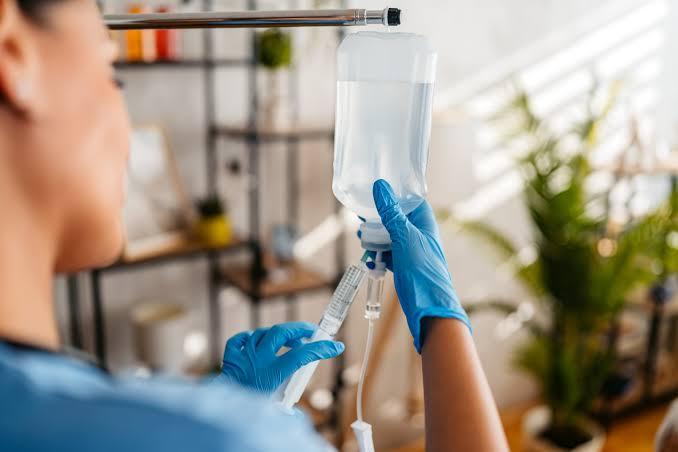
Patients often have questions about how intravenous treatment works, whether it is appropriate for them, and what to expect during a home visit. IV Drip at Home in Dubai can offer convenience for suitable patients who need prescribed IV fluids or medications without traveling to a healthcare facility. A Doctor at Home service may also be considered when a medical assessment is needed before treatment. Because IV therapy is a medical procedure, patients should understand the treatment, potential risks, professional monitoring, and aftercare before deciding whether home administration is appropriate.
What Is IV Drip Therapy?:
IV drip therapy involves delivering a prescribed fluid, medication, or other medically indicated solution directly into a vein through a small catheter. The healthcare professional controls the infusion rate and monitors the patient according to the treatment requirements. IV therapy may be used in specific clinical situations, but it is not automatically necessary for everyone experiencing fatigue, dehydration, or other common symptoms. A qualified healthcare professional should determine whether intravenous treatment is appropriate based on the patient's individual circumstances.
Is IV Drip at Home Safe?:
Home IV treatment can be safe for patients who have been appropriately assessed and are suitable for this type of care. Safety depends on factors such as the patient's medical condition, the prescribed treatment, the qualifications of the healthcare professional, infection-control practices, appropriate equipment, and monitoring. Patients should choose a reputable provider that follows established medical procedures and should disclose relevant medical history, allergies, and medications before treatment begins.
Who Can Receive IV Drip Treatment at Home?:
There is no single patient profile that automatically qualifies someone for home IV therapy. A healthcare professional should determine whether the individual is clinically stable and whether the prescribed treatment can safely be given in a residential setting. Home treatment may be considered for selected patients who have an established treatment plan, limited mobility, recovery-related needs, or difficulty traveling to a clinic. Some patients, however, require hospital- or clinic-based care because of complex medical needs.
What Happens During a Home IV Visit?:
A typical visit starts with confirmation of the patient's identity and treatment plan, followed by an appropriate assessment. The nurse then prepares the equipment, selects a suitable vein, inserts the IV catheter, and begins the prescribed infusion. During treatment, the professional monitors the patient and observes the IV insertion site for possible complications. Once the infusion is complete, the catheter is removed safely, the site is checked, and aftercare instructions are provided.
How Long Does a Home IV Drip Take?:
Treatment time varies according to the type and volume of fluid or medication, the prescribed infusion rate, and the patient's individual circumstances. The total appointment can take longer than the actual infusion because it may include assessment, preparation, IV insertion, monitoring, catheter removal, and aftercare. Patients should not expect every IV treatment to take the same amount of time. The infusion should be administered at the clinically appropriate rate rather than being rushed for convenience.
Will the IV Insertion Hurt?:
Patients may feel a brief pinch or sting when the IV catheter is inserted. Some people experience mild discomfort at the insertion site for a short time afterward. A trained professional uses appropriate technique to reduce unnecessary discomfort and securely position the catheter. Patients should immediately tell the nurse if they experience significant or increasing pain during the infusion, as this may indicate a problem that needs assessment.
What Types of IV Drips Are Available?:
The type of infusion depends entirely on the patient's medical needs and the treatment prescribed by a qualified healthcare professional. Depending on the clinical situation, IV therapy may involve fluids, electrolytes, medications, or other medically indicated preparations. Patients should avoid choosing an infusion simply because it is advertised as a general wellness treatment. Before administration, the healthcare professional should explain what is being given and why it is considered appropriate.
Possible categories can include:
- Prescribed hydration fluids.
- Electrolyte-containing solutions.
- Certain medications.
- Iron infusions when clinically indicated.
- Other medically prescribed intravenous treatments.
Do I Need to Eat Before an IV Drip?:
Whether eating is recommended before treatment depends on the patient's medical situation and the type of infusion being given. Many IV treatments do not routinely require fasting, and some patients may find that having a light meal beforehand is more comfortable. However, certain medications or procedures may have specific preparation requirements. Patients should follow the instructions provided by their healthcare professional and ask whether eating or fasting is necessary before the appointment.
How Much Water Should I Drink Before Treatment?:
Patients should generally follow their normal hydration routine unless a healthcare professional has provided different instructions. Drinking excessive amounts of water immediately before an infusion is not necessarily beneficial and may be inappropriate for people with certain heart, kidney, or fluid-balance conditions. Patients with fluid restrictions should follow those instructions carefully. The purpose of IV treatment should not be interpreted as permission to consume unusually large amounts of fluid before or after the appointment.
Can IV Drip Replace Drinking Water?:
For most healthy people, regular oral fluid intake remains an important way to maintain hydration. An IV drip should not be viewed as a routine replacement for drinking water. Intravenous fluids are used when a healthcare professional determines that they are medically appropriate. If a person can safely drink and maintain adequate hydration, oral fluids may remain sufficient. The underlying cause of dehydration or fluid loss should also be evaluated when symptoms are significant or persistent.
Are There Side Effects?:
Like any medical procedure, IV therapy can have potential side effects and complications. Some may relate to the IV insertion itself, while others may be associated with the fluid or medication being administered. Patients should report unexpected symptoms promptly rather than assuming they are normal.
Potential concerns can include:
- Pain, swelling, or redness around the IV site.
- Leakage or irritation near the catheter.
- Dizziness or lightheadedness.
- Nausea.
- Itching or rash.
- Changes in heart rate.
- Breathing difficulty.
- Other unusual or worsening symptoms.
The significance of a symptom depends on the treatment and the patient's health, so professional assessment is important.
What Should I Do if I Feel Unwell During Treatment?:
Patients should immediately tell the healthcare professional if they experience unusual symptoms during the infusion. The nurse can assess the patient, inspect the IV site, and follow the appropriate clinical procedure. Depending on the situation, the infusion may need to be paused or stopped and the responsible healthcare provider may need to be contacted. Severe symptoms, including major breathing difficulty, chest pain, fainting, or signs of a serious allergic reaction, require urgent emergency medical care.
Is Home IV Therapy Suitable for Older Adults?:
Older adults may benefit from the convenience of home treatment when they are clinically appropriate for it, especially if traveling is physically difficult. However, age alone does not determine suitability. Medical conditions, medication use, kidney and heart health, mobility, and overall stability should be considered. Older patients may require particularly careful monitoring because multiple health conditions or medications can affect how they respond to fluids and medicines.
Can People With Limited Mobility Receive IV Therapy at Home?:
Home treatment may be helpful for patients who have difficulty walking, use mobility aids, or require assistance with transportation. Receiving treatment at home can reduce physical strain associated with traveling to a clinic. However, limited mobility does not automatically make home treatment safe. The patient's medical condition and the treatment requirements must still be reviewed, and patients with unstable symptoms may require facility-based care instead.
What Should I Tell the Nurse Before Treatment?:
Complete and accurate information helps the healthcare professional assess the treatment safely. Patients should mention current medications, allergies, existing medical conditions, recent illnesses, previous reactions to IV therapy, and any new symptoms. Even information that seems minor may be relevant to the treatment plan. Patients should not withhold information because they are concerned that the appointment might be delayed or cancelled.
Important information includes:
- Prescription medications.
- Over-the-counter medicines and supplements.
- Known allergies.
- Current medical diagnoses.
- Recent hospital or clinic visits.
- Previous IV treatment reactions.
- New or worsening symptoms.
Is Home Treatment Better Than Clinic Treatment?:
Neither setting is universally better because the appropriate choice depends on the patient's condition and the complexity of treatment. Home administration can reduce travel and provide a familiar environment, while clinics and hospitals may offer broader access to medical equipment and healthcare resources. Patients with unstable conditions or complex medical needs may require facility-based treatment. The safest setting is the one that matches the patient's medical requirements.
How Do I Choose a Reliable Home IV Provider?:
Patients should consider professional qualifications, assessment procedures, infection-control standards, monitoring practices, equipment, emergency protocols, and aftercare support when selecting a provider. A reliable provider should explain the treatment clearly and answer questions about who will administer the IV, what will be given, and how complications will be managed. Patients should be cautious of services that promise guaranteed results or recommend IV treatment without proper clinical assessment.
What Should I Prepare Before the Nurse Arrives?:
Preparing the home can help the appointment proceed smoothly. Patients should select a clean, well-lit, comfortable area and make sure there is adequate space for the nurse to work. Medication and allergy information should be available, and patients should mention any recent changes in their health. It can also help to wear clothing that allows easy access to the arm where the IV may be placed.
Before the appointment, consider:
- Preparing a clean treatment area.
- Keeping medical information accessible.
- Following any specific food or fluid instructions.
- Informing the provider about new symptoms.
- Keeping emergency contact information nearby.
When Should I Seek Emergency Care Instead?:
Routine home IV treatment should never delay emergency evaluation. Patients experiencing severe breathing difficulty, chest pain, loss of consciousness, significant confusion, severe allergic symptoms, or sudden deterioration should seek urgent emergency medical assistance. An IV drip is not a substitute for emergency diagnosis or treatment. When symptoms indicate a potentially serious condition, emergency services or a hospital should be contacted promptly.
Is Follow-Up Needed After an IV Drip?:
Follow-up requirements depend on why the treatment was prescribed and the patient's individual condition. Some patients may simply receive routine aftercare instructions, while others may require additional visits, laboratory testing, or medical review. Patients should understand what symptoms to monitor after treatment and whom to contact if problems develop. If IV therapy is part of a longer treatment plan, follow-up is important for evaluating whether continued treatment remains appropriate.
Final Thoughts:
Patients often have questions about safety, treatment types, preparation, duration, side effects, and aftercare before receiving an IV infusion at home. IV Drip at Home in Dubai can provide a convenient option for suitable patients when treatment has been medically assessed and professionally administered. Understanding the process and asking informed questions can help patients make safer decisions about home-based IV care. Qualified healthcare professionals, appropriate treatment selection, infection-control procedures, patient monitoring, and clear emergency guidance are essential parts of responsible IV therapy. Above all, patients should remember that intravenous treatment should be based on genuine medical need rather than convenience alone.
Categorias
Leia Mais
Buy Yahoo Accounts from getpvasmm.com In today’s digital age, having an online presence is more crucial than ever. Yahoo accounts are a gateway to numerous services, from email communication to news and social networking. But managing just one account can be limiting, especially for professionals or businesses that require multiple profiles. This is where the option to buy Yahoo accounts...

The crypto market has changed a lot. Traders aren't just looking for a place to buy and sell digital assets anymore. They want an exchange that's easy to use, quick to navigate, and clear about what's happening in the market. This is influencing how businesses approach Crypto Exchange Platform Development. What Do Traders Actually Want? An easy user experience can make a difference. I have seen...

In today’s fast-paced business environment, organizations must focus on productivity, safety, and smooth daily operations to remain competitive. Security teams play a vital role in supporting these goals by protecting assets, managing risks, and ensuring business continuity. Whether in commercial buildings, industrial facilities, healthcare centers, or retail establishments, professional...

Custom retail tags will be used to enhance product attractiveness, which will bring superior appeal to the product in terms of visual and utility value. These tags are creative and professional at the same time and therefore enable businesses to print brand identity and convey necessary product information. Retail tags are ideal to package clothing, accessories, gifts, and specialty products...

Are you ready to dive into a world of thrill, entertainment, and fortune? If yes, then Online Matka Play is exactly what you need. This exciting game of numbers has become one of the most popular online gaming choices, not only because of the fun it offers but also because of its ability to turn a small investment into a big reward. What Makes Online Matka Play So Exciting? The charm of Online...