


Common Dental Problems and How to Prevent Them
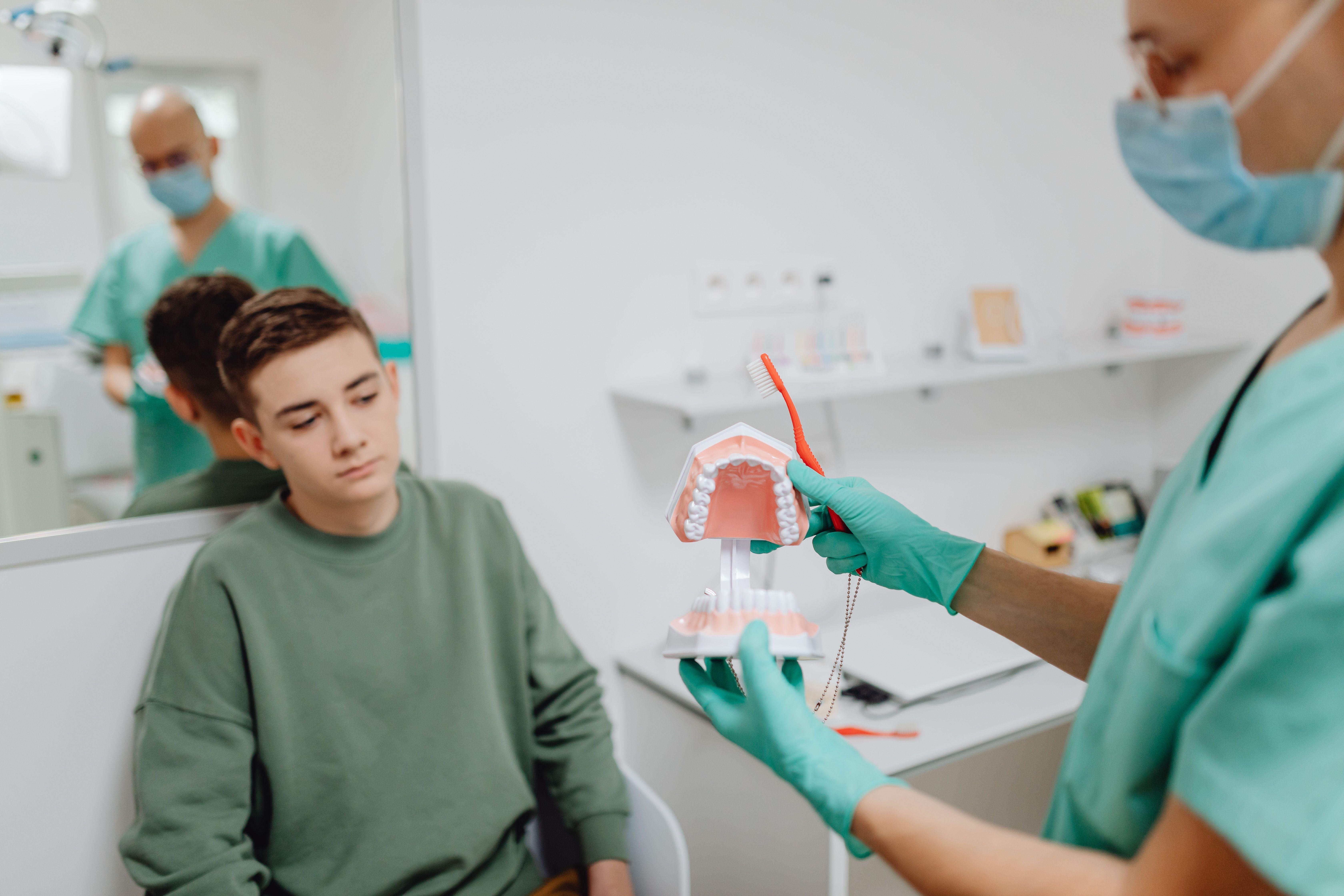
A healthy smile is not just about looking good; it is also an important part of your overall health and confidence. Many people ignore small dental issues until they become painful or difficult to treat. Whether you are looking for Dental Implants Hertfordshire for missing teeth or searching for an Invisalign Dentist Near Me to improve the alignment of your smile, understanding common dental problems can help you take better care of your teeth and avoid unnecessary complications.
1. Tooth Decay
Tooth decay is one of the most common dental problems among children and adults. It develops when bacteria in the mouth feed on sugars and produce acids that gradually weaken the tooth enamel. Without proper treatment, decay can lead to cavities, toothache, infection, and even tooth loss.
The best way to prevent tooth decay is to brush your teeth twice a day with fluoride toothpaste. Flossing or using interdental brushes is also important because a toothbrush cannot effectively clean every area between the teeth. Limiting sugary snacks and drinks can further reduce the risk of cavities.
Regular dental check-ups are equally important because early decay may not cause any noticeable symptoms.
2. Gum Disease
Gum disease usually starts with plaque, a sticky layer of bacteria that builds up around the teeth. If plaque is not removed properly, it can harden into tartar and irritate the gums. Early gum disease, known as gingivitis, may cause redness, swelling, tenderness, or bleeding when brushing.
If left untreated, gum disease can progress and affect the tissues and bone supporting the teeth. Advanced gum disease is one of the major causes of tooth loss in adults.
Good brushing and daily cleaning between the teeth can help prevent gum problems. It is also important not to ignore bleeding gums. Although occasional bleeding may seem minor, persistent symptoms should be checked by a dental professional.
3. Tooth Sensitivity
Do you experience a sharp pain when drinking something cold or eating hot food? You may have sensitive teeth. Tooth sensitivity can occur when the protective enamel becomes worn or when the roots of the teeth become exposed because of gum recession.
Brushing too aggressively can sometimes make sensitivity worse. Using a soft-bristled toothbrush and toothpaste specifically designed for sensitive teeth may help. Your dentist can also identify the underlying cause and recommend appropriate treatment if sensitivity continues.
4. Bad Breath
Bad breath, or halitosis, can be embarrassing and may affect your confidence in social situations. In many cases, it is caused by bacteria, poor oral hygiene, food particles, gum disease, or a dry mouth.
Brushing your tongue, cleaning between your teeth, drinking enough water, and maintaining regular dental appointments can help keep your breath fresh. If bad breath continues despite good oral hygiene, it is worth discussing the problem with your dentist because it may indicate an underlying dental issue.
5. Crooked or Crowded Teeth
Misaligned or crowded teeth are not simply a cosmetic concern. Teeth that overlap can be harder to clean, which may increase the risk of plaque build-up, cavities, and gum disease. Some people also experience problems with their bite because of misalignment.
Modern orthodontic treatments can provide discreet ways to straighten teeth. For adults and teenagers who prefer an alternative to traditional braces, clear aligner treatment may be an option. If you have been considering treatment, searching for an Invisalign Dentist Near Me can help you find a professional who can assess your teeth and explain whether clear aligners are suitable for your needs.
6. Missing Teeth
Missing teeth can affect much more than your appearance. They may make chewing difficult and can sometimes affect speech. Over time, the teeth surrounding the gap may move, changing the way your bite works.
Dental implants are one option for replacing missing teeth. They are designed to provide a stable foundation for replacement teeth and can offer a natural-looking result when carefully planned and maintained.
If you are considering Dental Implants Hertfordshire, a consultation with a qualified dental professional can help determine whether implants are appropriate for you. Your dentist can assess your oral health, discuss your options, and explain the different stages of treatment.
7. Tooth Erosion
Tooth erosion happens when acids gradually wear away the enamel. Acidic drinks, certain foods, and frequent exposure to stomach acid can contribute to enamel erosion. Once enamel is lost, it does not naturally grow back.
Reducing your intake of acidic drinks, avoiding frequent sipping throughout the day, and following good oral hygiene habits can help protect your enamel. After consuming acidic foods or drinks, it is generally better to rinse your mouth with water rather than brushing immediately.
8. Cracked or Damaged Teeth
Teeth can crack or become damaged due to accidents, biting hard foods, teeth grinding, or weakened tooth structure. A cracked tooth may cause pain when chewing or sensitivity to temperature.
Do not ignore unexplained tooth pain, especially if it occurs repeatedly. Early assessment may prevent a small problem from becoming more serious. Depending on the damage, your dentist may recommend a filling, crown, root canal treatment, or another suitable solution.
Simple Habits for Better Dental Health
Preventing dental problems does not require a complicated routine. A few consistent habits can make a significant difference:
- Brush twice daily with fluoride toothpaste.
- Clean between your teeth every day.
- Replace your toothbrush regularly or when the bristles become worn.
- Limit sugary and acidic foods and drinks.
- Drink plenty of water.
- Avoid using your teeth to open packages or bite hard objects.
- Visit your dentist for regular examinations.
- Seek professional advice when you notice persistent pain, swelling, bleeding, or sensitivity.
When Should You Visit a Dentist?
You should not wait until severe pain develops before arranging a dental appointment. Symptoms such as bleeding gums, persistent bad breath, tooth sensitivity, swelling, loose teeth, or changes in your bite deserve attention.
Regular dental examinations allow problems to be identified while they are still easier to manage. Your dentist can also provide personalised advice based on your teeth, gums, diet, lifestyle, and existing oral health.
Conclusion
Most common dental problems can be prevented or managed effectively when you take care of your teeth consistently and seek professional advice when something does not feel right. Good daily hygiene, a balanced diet, regular dental check-ups, and early treatment all contribute to a healthier smile.
Whether your concern is tooth decay, gum disease, missing teeth, or crooked teeth, the right dental care can make a meaningful difference. Taking action early can help protect your natural teeth, improve your oral health, and give you greater confidence in your smile for years to come.
Categorieën
Meer lezen
Upgrade your vision with precision-engineered corrective lens goggles , like, the kind that just fits right. We specialise in custom-made goggles with different powers for each eye , and you can choose clear, tinted, or mirrored Swimming Prescription Goggles. Whether it’s short sightedness or high diopter requirements, our gear comes with an anti-fog coating and it’s built for...

Rhinoplasty is more than changing the appearance of the nose. It can involve aesthetic goals, nasal structure, breathing concerns, recovery expectations, and personal preferences. A truly patient-centered approach puts these factors together before any treatment decision is made. For people considering Rhinoplasty in Islamabad, choosing a clinic that prioritizes communication, individualized...

Buy Old Facebook Account Buy an old Facebook account can be a strategic move for those seeking to enhance their online presence. These accounts often come with established friendships, post histories, and credibility that new profiles simply lack. When you purchase an old account, you gain immediate access to potential followers who may already resonate with your content or brand. This can save...

"Executive Summary Rubella Treatment Market Value, Size, Share and Projections CAGR Value Data Bridge Market Research analyses a growth rate in the rubella treatment market in the forecast period 2022-2029. The expected CAGR of rubella treatment market is tend to be around 6.50% in the mentioned forecast period. The world class Rubella Treatment Market research report is a...

Here is a "Lemon" discount code that offers an 8% discount on the MMOExp.comBuild a Better Squad· FC 27 Ultimate Team requires smart resource management if you want to improve your squad consistently.· Coins allow you to access players with FC 27 Coins, consumables, and other tradeable items on the transfer market.· Having enough Coins can make it easier to react when...