Welding SPM Machine supplier in Gurgaon | Weldarc India
In manufacturing productivity is often affected by small things. A component that takes a little too long to position a welding operation that has to be repeated several hundred times or a process that depends entirely on manual handling can slowly affect the entire production schedule.
Welding is a good example. Skilled welders can do excellent work but repeating the same operation throughout a long shift is physically demanding. It can also be difficult to maintain exactly the same speed and positioning on every component.
This is where Special Purpose Machines commonly known as SPMs can be helpful. Rather than trying to perform a wide range of jobs these machines are developed for particular production requirements. Welding SPM Machine Supplier in Gurgaon | Weldarc India focuses on how such solutions can help manufacturers make repetitive welding work simpler more consistent and easier to manage.

Where Does the Real Problem Begin?
The need for automation usually does not appear overnight.
A company may start with manual welding because production volumes are manageable. As orders increase the same team is suddenly expected to produce more components in the same amount of time. Workers may have to repeat the same movements throughout the shift and supervisors may notice that the production cycle is becoming difficult to maintain.
This is often the point where manufacturers start looking for alternatives.
The issue is not necessarily that the workers are doing something wrong. The process itself may simply have become too repetitive for the production volume.
An automated setup can take over selected parts of the operation while people continue to handle tasks that require judgement and experience.
What Makes an SPM Different From Ordinary Equipment?
A Special Purpose Machine is designed around a specific requirement.
For example imagine a factory producing the same bracket every day. Each bracket needs to be placed in a particular position before two or three welds are made. An operator can do this manually but a dedicated fixture and automated sequence could make the process easier to repeat.
The machine can hold the component securely maintain its position and carry out the required operation according to the programmed sequence.
This does not mean that every factory needs a highly automated production line. Sometimes automating one difficult or repetitive operation is enough to make a noticeable difference.
The design can depend on the product production volume welding method available space and the amount of operator involvement required.
This is why working with a Welding SPM Manufacturer in Gurgaon can be useful when a standard machine does not quite match the production process.
What Does the Operator Do After Automation?
One common misunderstanding is that automation means removing people from the process.
In reality operators still have an important role.
Depending on the setup they may load components monitor the machine inspect finished parts manage materials and respond when something needs attention. The difference is that they may no longer need to perform every repetitive movement themselves.
This can make the working environment more manageable particularly when the same operation is repeated for an entire shift.
It can also allow experienced employees to focus on quality and process control instead of spending most of their time on repetitive positioning.
Good automation should work with the production team rather than making their job unnecessarily difficult.
How Should a Manufacturer Choose the Right Setup?
There is no universal SPM that works for every application.
The first step should be to understand the existing process. Manufacturers should look at the component being welded the number of parts produced the current cycle time and the areas where delays occur.
It is also worth asking whether the product design is fixed or changes regularly. A production line making one component in large quantities may require a different approach from a company producing several variations.
The fixture needs careful attention as well. If the component cannot be positioned quickly and accurately the rest of the automated process may not perform as expected.
A reliable Welding SPM Supplier in Gurgaon should therefore ask questions about the complete production process before suggesting equipment.
Why Is Fixture Design So Important?
A welding machine can only work as well as the component positioning allows.
If a part moves during welding is placed at a slightly different angle or takes too long to secure consistency can suffer. A well-designed fixture helps keep the component stable and repeatable.
It should also be practical for the operator. Loading and removing the component should not become a difficult or time-consuming task.
For this reason fixture development is often a major part of a customised automation project.
The machine fixture welding equipment and operator workflow all need to work together. Looking at only one part of the system can lead to disappointing results.
Which Manufacturing Applications Can Benefit?
There are many situations where specialised welding equipment can make sense.
Automotive component production is one example. Engineering and fabrication companies may also have repeated welding operations that are suitable for automation. Sheet metal manufacturers and other industrial businesses can face similar challenges when production volumes increase.
The requirements can be very different from one company to another.
One manufacturer may need a dedicated system for a single component. Another may need programmable movement automatic handling or integration with existing production equipment.
For companies with a highly specific application a Welding Special Purpose Machine Manufacturer in Gurgaon can develop equipment around the actual component and workflow.
Where controlled and programmable movement is needed CNC-based solutions may also be considered. The important thing is to select technology that genuinely helps the process.
Why Is Customisation Sometimes Better Than a Standard Machine?
Standard equipment is useful when the application fits the machine’s capabilities. But factories often have their own way of working.
Perhaps the component is unusually shaped. Maybe there is limited floor space. The production team may already have a particular loading method that works well. Or the welding points may require a movement sequence that standard equipment cannot provide.
In these situations customisation can be a practical option.
The idea is not to make the machine complicated. It is to make it suitable.
A customised system can be designed around the product the operator the available space and the required production output. This can make the machine easier to integrate into the existing workflow.
What Can Weldarc India Bring to the Process?
Choosing an automation partner is an important part of the project. Industrial machinery needs to function reliably on the shop floor where production schedules and practical limitations matter every day.
Weldarc India works with industrial customers on welding and automation requirements. Its solutions are aimed at applications where manufacturers need specialised equipment rather than a one-size-fits-all approach.
The process can begin by understanding the customer’s current operation. Information about the component welding method production quantity cycle time and available space can help determine what type of equipment is appropriate.
For businesses exploring an Industrial Welding SPM Manufacturer this application-first approach can be useful because the discussion starts with the production requirement rather than simply with a machine catalogue.
When Is Automation Actually Worth It?
Automation makes the most sense when it solves a real problem.
If a company produces only a few pieces and changes its products regularly manual welding may remain the more practical option. But if operators spend most of their shift repeating the same operation there may be a strong case for looking at a specialised system.
Production volume is one factor but it is not the only one. Consistency operator fatigue cycle time product quality and future growth can all influence the decision.
A Welding Automation Manufacturer in Gurgaon can help evaluate these factors and determine whether automation is appropriate for the application.
The answer does not always have to be a completely automated line. A smaller focused improvement can sometimes deliver exactly what the production team needs.
The Goal Is Better Work Not Just More Automation
It is easy to get caught up in machine specifications and automation features. But manufacturers ultimately want something much simpler: a production process that works well every day.
A good SPM should make a repetitive job easier to handle. It should fit into the available space be practical for operators and provide consistent results for the intended application.
That is why the planning stage matters so much. Understanding the component and identifying the actual production challenge can help avoid unnecessary complexity.
Weldarc India provides customised welding and automation solutions for industrial applications. Manufacturers can discuss their existing process production targets and challenges to determine whether a specialised machine could be useful.
In the end successful automation is not about replacing every manual task. It is about finding the right task to automate and doing it in a way that makes the entire production process better.
For a manufacturing business that can mean less repetitive work a smoother workflow and greater confidence that every component is going through the same carefully planned process.
Categories
Read More
If you are preparing for your learner’s permit, one of the first things you may want to know is how many questions are on the learner’s permit test. The answer depends on the state where you take the exam. There is no single nationwide test with the same number of questions. Most states have between 20 and 50 questions, although the exact number, passing score, and test format...

Relocating your two-wheeler can be a challenging task, especially in a busy and fast-growing city like Gurgaon. Whether you are moving to another city or within the region, choosing professional bike shifting services in gurgaon is the best way to ensure safety and convenience. With trusted providers like Carbikemovers, you can shift your bike without stress, delays, or damage. In this detailed...

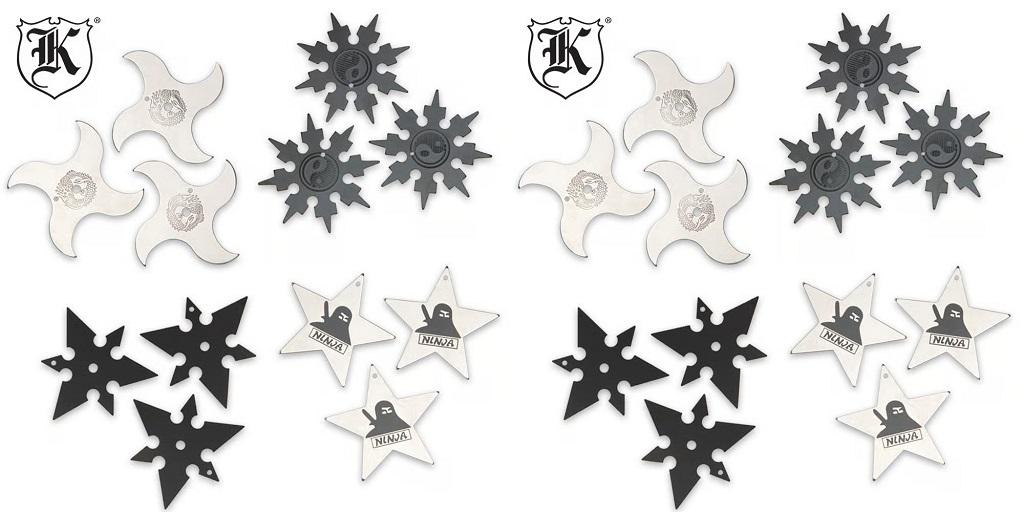
Ninja stars, also sometimes known as shuriken, are somewhat easier to throw than throwing knives, and there is certainly a shorter learning curve associated with becoming proficient with them. But it still takes some skill to use, and inconsistencies with how you hold and throw them can have an adverse effect on your accuracy, not to mention they may result in fewer stars that stick in...
The Air India Gurgaon Office provides dedicated customer support for passengers traveling with Air India from Gurgaon. Travelers can contact the office for assistance with flight reservations, ticket modifications, baggage policies, special travel requests, and general travel inquiries. The office also provides information regarding flight schedules, fare options, and loyalty program services....
Buy Instagram Accounts: Profile Protection, Privacy Management & Secure Social Networking (Complete Guide 2026) Introduction 💫💎💲💫🌐✨💎Fast & Reliable 24/7 Customer Support 💫💎💲💫🌐✨💎WhatsApp :+1 (506) 541-7768 💫💎💲💫🌐✨💎Telegram: @usadigitalhub 💫💎💲💫🌐✨💎Discord: usadigitalhub 💫💎💲💫🌐✨💎Email:usadigitalhubsell@gmail.com 💫💎💲💫🌐✨💎Come now our company:https://usadigitalhub.com/ The search phrase buy...