


A Modern Man’s Roadmap to Testosterone, Strength, Energy, and Healthy Aging
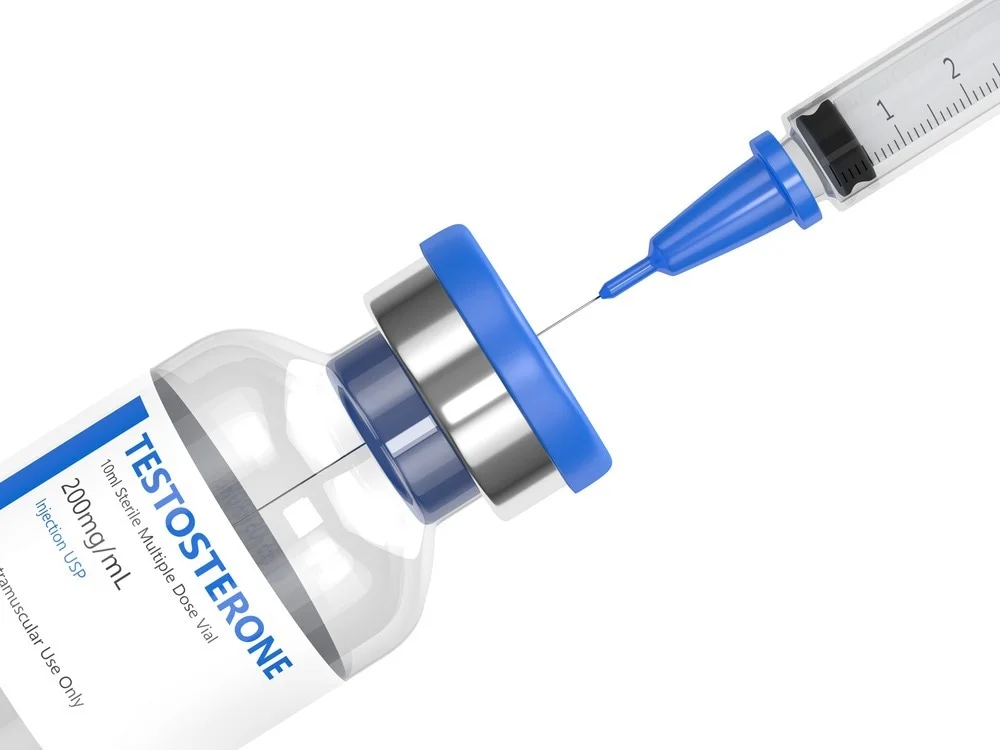
Men's wellness is shaped by a combination of hormones, lifestyle, environment, genetics, nutrition, exercise, sleep, and mental well-being. male hormonal health is therefore a much wider subject than many men initially realize. Testosterone is one of the body's important hormones, and its influence reaches areas such as muscle development, bone maintenance, reproductive function, body composition, energy, and aspects of mood and motivation. Learning how these factors interact can help men make more thoughtful choices about their health at different stages of life.
Understanding Testosterone Beyond the Basics
Testosterone is an androgen hormone that plays an important role in male development and adult physiology. Its functions begin during development and continue throughout adulthood.
Popular discussions often focus heavily on sexual performance, but testosterone has a broader biological role. It contributes to maintaining muscle tissue, supporting bone structure, influencing body composition, and participating in red blood cell production.
It is also important to recognize that testosterone levels naturally differ between individuals. Age, genetics, general health, sleep, medications, body composition, and other factors can influence hormone levels.
As a result, there is no single number that defines how every man should feel or function.
The Connection Between Testosterone and Energy
Energy is one of the most noticeable components of everyday well-being. When a man feels energetic, he may find it easier to work, exercise, socialize, and pursue personal interests.
When energy remains low for an extended period, however, it can affect nearly every area of life.
Testosterone may be considered when evaluating certain persistent symptoms, but fatigue has many possible explanations. Poor sleep, prolonged stress, nutritional problems, inactivity, illness, medications, and mental health concerns can all affect energy.
Why One Symptom Is Not Enough
It can be tempting to associate fatigue with a hormonal issue immediately. A more useful approach is to consider the complete pattern.
Men can examine whether their sleep has changed, whether they are exercising regularly, whether their diet provides sufficient nutrition, and whether stress has increased.
If unexplained fatigue persists despite reasonable lifestyle improvements, professional medical evaluation may help identify possible causes.
Building and Maintaining Physical Strength
Strength is closely connected with independence and functional health. Everyday activities such as carrying groceries, climbing stairs, lifting objects, and maintaining balance all depend on muscular capacity.
Testosterone contributes to muscle development and maintenance, but it works alongside exercise, nutrition, recovery, genetics, and other physiological factors.
Resistance training is particularly useful because it directly challenges muscles and encourages adaptation.
Creating a Consistent Training Plan
A practical strength routine can involve major movement patterns such as pushing, pulling, squatting, hinging, and carrying.
The exact program should reflect individual experience and physical ability. Beginners may benefit from learning proper movement techniques before increasing resistance.
Progress does not have to happen rapidly. Gradual improvements in strength, repetitions, technique, or training consistency can provide meaningful results over time.
Body Composition and Men’s Wellness
Body composition is another area that can change with age. Men may notice increases in body fat or reductions in muscle mass as activity levels, eating patterns, and recovery habits change.
Hormonal factors may contribute, but they should not be considered the only explanation.
Energy balance, resistance training, cardiovascular activity, protein intake, sleep, stress, age, genetics, and other health conditions all influence body composition.
A Sustainable Approach to Physical Fitness
A sustainable strategy focuses on habits that can continue for years.
Regular strength training can support muscle maintenance. Cardiovascular exercise can improve endurance and support heart health. Daily movement can reduce prolonged inactivity.
Nutrition should provide sufficient protein and a broad range of nutrients while supporting an individual's energy requirements.
The objective is to create a routine that supports health without depending on extreme restrictions.
Nutrition and Hormone-Supportive Habits
Food provides the nutrients needed for normal physiological processes. Protein helps support muscle tissue, dietary fats participate in numerous biological functions, and carbohydrates provide an important energy source.
Vitamins and minerals are equally important for normal health.
However, more is not always better. Taking excessive amounts of individual nutrients does not necessarily produce additional benefits and can sometimes create unwanted effects.
Building a Balanced Plate
A nutrient-dense eating pattern can emphasize:
-
Vegetables and fruits
-
Quality protein sources
-
Whole grains and other fiber-rich foods
-
Healthy dietary fats
-
Adequate fluids
-
A variety of nutrient-rich foods
Men with specific dietary requirements or medical concerns should consider individualized professional advice.
Sleep and Hormonal Wellness
Sleep is one of the most important components of recovery. During quality sleep, the body supports processes involved in physical restoration, cognitive function, immune activity, and metabolic regulation.
Poor sleep can contribute to daytime fatigue, irritability, concentration difficulties, changes in appetite, and reduced exercise performance.
Because these effects overlap with symptoms sometimes associated with hormonal concerns, sleep deserves careful attention.
Practical Ways to Improve Sleep
Maintaining consistent sleep and wake times can help establish a predictable routine. A comfortable sleeping environment, reduced evening stimulation, and a relaxing bedtime routine may also support better sleep.
Persistent sleep difficulties should not simply be attributed to hormones. Conditions affecting sleep may require specific professional evaluation.
Stress and Its Impact on Daily Function
Stress is a normal response to challenging circumstances, but prolonged stress can become difficult to manage.
Professional demands, family responsibilities, financial concerns, and constant digital stimulation can leave little time for recovery.
Long-term stress may affect sleep, mood, appetite, concentration, motivation, and exercise habits. These effects can create a cycle in which physical and emotional recovery becomes more difficult.
Creating Space for Recovery
Stress management can take many forms. Walking, exercise, time outdoors, hobbies, social interaction, relaxation exercises, and regular breaks can all provide opportunities for recovery.
There is no universal method that works for everyone. The most useful strategy is usually one that fits naturally into a person's daily routine.
Mood and Motivation
Hormones can interact with the systems involved in mood and motivation, but emotional well-being has many dimensions.
A decline in motivation can result from burnout, chronic stress, poor sleep, anxiety, depression, relationship difficulties, physical inactivity, or other life circumstances.
Therefore, men should avoid treating a change in motivation as proof of a hormonal problem.
Supporting Mental and Emotional Health
Physical activity, adequate sleep, social connection, enjoyable hobbies, and appropriate professional support can all contribute to emotional resilience.
Men should also feel comfortable seeking help when persistent mood changes interfere with work, relationships, or everyday activities.
Taking psychological concerns seriously is an important part of comprehensive health.
Testosterone and Bone Maintenance
Bone health is sometimes overlooked in discussions about men's wellness. Strong bones provide structural support and contribute to mobility and independence.
Testosterone participates in maintaining bone tissue, but skeletal health depends on multiple factors.
Age, genetics, physical activity, nutrition, vitamin D and calcium status, body weight, and certain medical conditions can all affect bone strength.
Weight-bearing exercise and resistance training can form part of a broader strategy for supporting skeletal health.
Cardiovascular Fitness and Long-Term Health
Cardiovascular health is essential for maintaining energy, mobility, and long-term quality of life.
Regular physical activity, healthy nutrition, maintaining an appropriate body weight, managing blood pressure and cholesterol, avoiding tobacco, and getting adequate sleep can all contribute to cardiovascular wellness.
The relationship between hormones and cardiovascular health is complex. Testosterone should not be viewed as a simple measure of heart health or as a universal solution for cardiovascular concerns.
Men should instead focus on established preventive practices and discuss individual risk factors with healthcare professionals.
Understanding Products for Hormonal Support
Men's wellness products are widely marketed for energy, strength, recovery, libido, and hormonal support. These products can contain vitamins, minerals, botanical extracts, or combinations of multiple ingredients.
The evidence supporting such products varies.
Some ingredients have been studied in humans, while others have limited evidence. Even when research exists, the results may depend on the dose, population, study duration, and health status of participants.
How to Evaluate Product Claims
Before choosing a supplement, consumers can ask several practical questions:
-
Are the ingredients clearly listed?
-
Are their amounts disclosed?
-
Is there credible human research?
-
Does the research support the specific claim being made?
-
Were the studies conducted in a relevant population?
-
Could the ingredients interact with medications?
-
Does the product promise unusually fast or dramatic results?
Taking time to evaluate these questions can help create realistic expectations.
The Importance of Individualized Health Decisions
No two men have exactly the same health circumstances. A symptom that appears in one person may have a completely different explanation in another.
For example, low energy may be related to sleep in one individual and stress or another medical issue in someone else.
This is why self-diagnosis can be misleading.
A qualified healthcare professional can review symptoms, medical history, lifestyle factors, medications, and appropriate laboratory findings when necessary.
Understanding Hormone Testing
Hormone testing can provide useful information when clinically appropriate. However, test results need to be interpreted within the broader context of the individual.
Timing, health status, medications, and other variables can influence hormone measurements.
A single laboratory result should therefore not automatically be interpreted as a diagnosis or a reason to begin treatment.
Healthy Aging Is About Function
Healthy aging is not simply about maintaining a particular hormone measurement. It is about preserving the ability to live actively and independently.
Muscle strength, mobility, cardiovascular fitness, healthy body composition, cognitive function, emotional resilience, and quality sleep all contribute to long-term function.
Developing healthy habits earlier can make it easier to maintain these areas later.
Small Improvements Can Become Long-Term Habits
Men do not need to completely redesign their lifestyles overnight.
A better approach may be to make manageable changes, such as walking more frequently, completing regular strength workouts, improving meal quality, establishing a consistent sleep schedule, and creating time for recovery.
Small actions become more powerful when repeated consistently.
Avoiding the Search for a Quick Fix
The health and wellness industry often promotes fast solutions. While some products may have legitimate uses, no single supplement or lifestyle change can replace the fundamentals of good health.
Exercise, nutrition, sleep, stress management, preventive healthcare, and appropriate medical assessment remain important foundations.
Men should evaluate health claims based on evidence rather than promises alone.
Taking a More Informed Approach
Understanding testosterone can help men ask better questions about their health. However, the objective should be understanding the complete picture rather than focusing exclusively on hormones.
Changes in energy, strength, mood, sexual function, or body composition may have several potential causes.
When symptoms are persistent or concerning, professional evaluation can help determine whether additional testing or treatment is appropriate.
Making Thoughtful Choices About Supplements
For men considering testosterone supplements, the most important step is to look beyond the label and evaluate the evidence behind the individual ingredients. Dosage, research quality, personal circumstances, medications, and potential interactions can all influence whether a product is appropriate.
Supplements should not be viewed as automatic solutions for unexplained symptoms. When a man experiences persistent changes in energy, physical performance, mood, or other areas of health, professional guidance can provide a more reliable way to understand what may be happening.
A Complete Perspective on Men’s Wellness
Hormones are only one part of the larger health equation. Physical activity, nutrition, sleep, emotional well-being, stress management, cardiovascular fitness, and preventive care all interact with one another.
Men can benefit from taking a long-term view rather than chasing temporary improvements. Building sustainable habits and paying attention to meaningful changes can provide a stronger foundation for continued health.
A thoughtful approach also means knowing when professional guidance is appropriate. Health information can provide useful education, but individualized decisions require consideration of the person's complete circumstances.
Frequently Asked Questions
1. What is testosterone responsible for?
Testosterone contributes to reproductive function, muscle development and maintenance, bone health, body composition, and red blood cell production. It also interacts with several systems involved in men's overall physiology.
2. Can lifestyle habits influence hormonal wellness?
Yes. Sleep, physical activity, nutrition, body composition, stress, and general health can all influence physiological and hormonal function. Healthy lifestyle habits are therefore an important foundation.
3. Does feeling tired mean testosterone is low?
Not necessarily. Fatigue can result from inadequate sleep, stress, nutritional problems, inactivity, medications, illness, and psychological factors. Persistent fatigue should be evaluated rather than automatically attributed to testosterone.
4. What should someone look for when evaluating a hormonal supplement?
Consumers should examine the ingredient list, dosage information, human research, product claims, potential interactions, and overall credibility. Products making dramatic promises should be approached cautiously.
5. When is professional evaluation appropriate?
Professional evaluation may be useful when persistent or unexplained changes in energy, mood, sexual function, muscle mass, or physical performance affect everyday life. A healthcare professional can determine whether testing or additional assessment is appropriate.
Conclusion
Testosterone has important functions throughout a man's life, but it should be understood within the broader context of overall wellness. Strength, energy, sleep, nutrition, emotional health, cardiovascular fitness, and healthy aging all depend on interconnected factors.
The most sustainable strategy is to focus on healthy daily habits, evaluate health information critically, and seek professional guidance when persistent concerns arise. This balanced approach can help men support their long-term vitality without relying on oversimplified explanations or quick fixes.
Categories
Read More
Water Level Relay Exporter Guide: Certifications, Quality Standards, and International Trade Tips might look like something you can map out step by step, but in reality, sourcing rarely feels that tidy. It's more like piecing things together over time, with a lot of small judgments happening in between. Most conversations still start with certification. That part is almost expected. Documents...

In recent years, the demand for gym wear Pakistan has grown rapidly as more people embrace fitness and active lifestyles. Whether it is going to the gym, practicing yoga, running outdoors, or simply staying comfortable during daily routines, the right gym wear plays an essential role. In Pakistan, fitness fashion is evolving, offering a blend of comfort, functionality, and style. This article...

SPC Flooring Factory solutions are becoming an important choice for homeowners, contractors, and distributors seeking practical materials for renovation projects. Pvcfloortile focuses on manufacturing products that support convenient fitting, reliable quality management, and consistent production processes, helping users complete interior upgrades with greater confidence. Installation is often...

ReactJS simplifies front-end development by enabling developers to build interactive and reusable user interface components efficiently. Its virtual DOM improves performance and speeds up updates across applications. Learning modern development practices becomes easier through structured guidance. React JS Training in Chennai offered by FITA Academy helps learners gain practical exposure and...
According to the latest report published by Data Bridge Market Research, the Organo Mineral Fertilizers Market The global organo mineral fertilizers market was valued at USD 1.62 Billion in 2024 and is expected to reach USD 2.08 Billion by 2032. During the forecast period of 2025 to 2032 the market is likely to grow at a CAGR of 3.22%. Winning Organo Mineral Fertilizers...
