


How to Plan the Bar for a Backyard Wedding in Connecticut
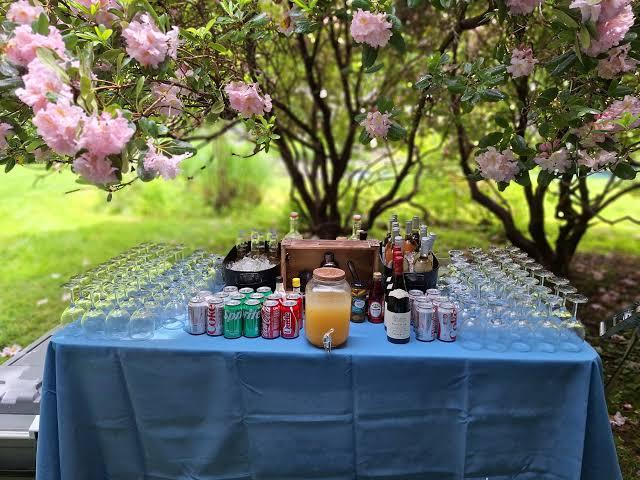
Planning an open-air wedding on a private residential property offers unmatched charm, scenic backdrop flexibility, and a personalized atmosphere. However, transitioning a backyard into a fully functional hospitality venue requires careful logistical planning, especially when it comes to hosting the bar service. Unlike traditional banquet halls equipped with built-in plumbing, industrial refrigeration, and permanent staging, a residential lawn requires you to build your beverage operations entirely from scratch. Ensuring a seamless flow requires coordinating with professional Fairfield County mobile bartenders who understand local venue requirements and equipment staging.
Assessing Your Yard and Venue Layout
Before booking any beverage rentals or finalizing your drink menu, you must conduct a thorough physical assessment of your property. The ideal bar setup requires a flat, stable surface to prevent tipping tables, wobbling glassware, and unsteady cocktail shakers. If your lawn slopes or features uneven terrain, setting up a temporary staging platform or utilizing a paved patio area is essential. Furthermore, you must evaluate proximity to electrical sources for powering commercial blenders, portable coolers, or specialized lighting, as well as ensure clear walking paths for catering staff and guests.
Calculating Alcohol Quantities and Consumption Rates
Underestimating beverage quantities can ruin the momentum of a celebration, while over-purchasing wastes precious budget. As a general rule of thumb, plan for each guest to consume approximately one drink per hour during the first hour of the reception, and roughly one drink every subsequent hour thereafter.
-
Wine and Champagne: Estimate one bottle of wine for every two guests per hour, with extra allocated if wine is the primary dinner pairing.
-
Beer: Stock a mix of domestic, craft, and imported options, calculating about one bottle or can per guest per hour.
-
Spirits: A standard 750ml bottle yields roughly 16 to 17 standard cocktail pours. Account for your guest count and preferred signature drinks to determine case requirements.
-
Ice: You will need significantly more ice than you think—plan for at least 1.5 to 2 pounds of ice per guest strictly for chilling drinks, plus additional quantities if you are cooling bottles externally.
Designing a Custom Signature Cocktail Menu
Elevating a backyard reception often comes down to curated, memorable drink offerings. Rather than maintaining a fully stocked open bar with dozens of obscure spirits, streamline your menu to feature beer, wine, and two custom signature cocktails named after the couple or themed around the season. Signature drinks speed up service lines because the ingredients are pre-batched or streamlined for rapid pouring. Whether you opt for a refreshing botanical gin fizz in the spring or a rich bourbon apple cider cocktail in the autumn, cohesive drink menus simplify inventory management.
Addressing Permits, Insurance, and State Laws
Hosting a private celebration does not automatically exempt you from local and state alcohol regulations. In Connecticut, liability laws require careful consideration when serving alcohol on non-licensed or private residential premises. Hiring fully insured and certified hospitality professionals ensures that liability coverage protects both the property owner and the hosts. Additionally, verify whether your town requires noise permits, tent placement approvals, or special event riders on your homeowner's insurance policy to cover any unexpected incidents during the evening.
Managing Trash, Recycling, and Glassware Safety
An outdoor venue introduces unique waste management challenges. Piles of empty bottles, sticky plastic cups, and overflowing trash bins can quickly diminish the aesthetic appeal of your lawn and create safety hazards for guests walking in bare feet or formal shoes.
-
Glass vs. Biodegradable Plastics: Avoid heavy glassware near pool decks or high-traffic lawn areas. Opt for high-clarity, shatterproof acrylic cups or premium compostable disposables.
-
Strategic Receptacles: Place clearly marked recycling and trash bins near the bar perimeter so guests can easily clear their own empty cans.
-
End-of-Night Breakdown: Coordinate with your service staff to ensure all empties are bagged and cleared from the property before midnight to protect local wildlife and prevent morning-after clean-up stress.
Coordinating Professional Support Staff
Attempting to manage a backyard wedding bar yourself or relying on well-meaning friends will quickly pull you away from enjoying your own wedding day. Professional servers handle every operational nuance, from monitoring guest intoxication levels and maintaining clean ice stations to slicing fresh fruit garnishes and keeping the bar area pristine.
For upscale weddings requiring elevated presentation, specialized teams like Deluxe bar service bring sophisticated flair, complete setup kits, and expert mixology to ensure your guests enjoy a first-class hospitality experience from the first toast to the final dance.
By addressing these logistical pillars early in your planning timeline, your backyard Connecticut wedding will deliver an unforgettable celebration characterized by great company, seamless service, and incredible drinks.
Frequently Asked Questions
-
How many bartenders do I need for a backyard wedding of 150 guests? As a standard industry guideline, you should hire one professional bartender for every 50 to 75 guests. For 150 guests, having two dedicated bartenders ensures minimal wait times and smooth service flow.
-
Do I need to rent a physical portable bar counter? While bartenders can technically work off a sturdy outdoor table with a linen skirt, renting a dedicated portable bar counter provides a much more polished, professional aesthetic and built-in storage shelves for liquor bottles.
-
Should I provide non-alcoholic drink options for designated drivers? Absolutely. Always include high-end craft sodas, sparkling infused waters, or a mocktail version of your signature drinks so non-drinking guests feel included and refreshed.
-
What happens to leftover unopened alcohol after the wedding? If you purchase your own alcohol through a local package store rather than a packaged catering package, many retailers allow you to return unopened, unchilled cases of beer and wine for a full refund.
-
How early should the bar setup begin on the wedding day? Professional bartenders typically arrive 2 to 3 hours before service begins to set up their stations, chill products, cut garnishes, and test all electrical and water connections.
Categories
Read More
Introduction: Understanding the Purpose of IBM C1000-177 Certification Professional certifications have become an important way for technology specialists to prove their knowledge and stay competitive in a fast-changing industry. Employers are no longer looking only at job experience; they also want evidence that candidates understand modern tools, platforms, and best practices. The IBM...

Sunrise Taj Mahal Tour: Experience the Magic of India's Most Iconic Monument A Sunrise Taj Mahal Tour is one of the most unforgettable travel experiences in India. Watching the first rays of the sun illuminate the pristine white marble of the Taj Mahal creates a breathtaking spectacle that attracts travelers from around the world. Whether you're visiting from Delhi, Jaipur, or...

On the net video slot machine video game titles have grown essentially the most favorite sorts of a digital activity, luring a lot of people world-wide.koitoto Having many subjects, advantage attributes, in addition to gameplay models readily available, selecting the right activity is usually complicated. It is where by a on the net video slot machine simulated gets to be precious. Some...

MA Prime Agency offers affordable WordPress SEO services in Billings, Montana, helping small business sites load faster and rank higher on Google. Why do some WordPress sites rank on page one while others, built with the same theme and the same plugins, sit buried on page four? It rarely comes down to luck. Most of the time, it comes down to a handful of settings and habits that never got...

