

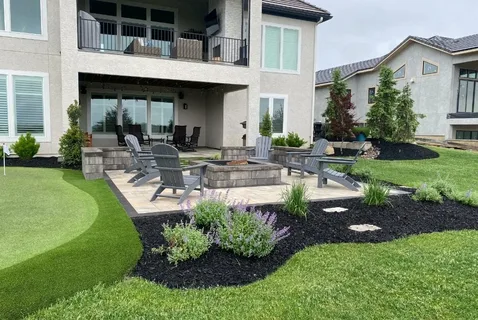
A well-designed landscape is more than just lush greenery and seasonal flowers; it is an extension of the architectural integrity of a property. The structural backbone of any great outdoor space lies in its non-living components stone, wood, and concrete which define the geometry and usability of the area. For property owners looking to elevate their curb appeal or create functional outdoor living areas, understanding these foundational components is critical. Hardscaping provides the necessary contrast to softscaping, offering a sense of permanence and order that anchors the natural environment.
The market demand for structured outdoor spaces has surged as businesses and homeowners recognize the return on investment associated with quality exteriors. Whether it is a commercial courtyard requiring durable pathways or a residential backyard in need of a retaining wall, the structural integrity cannot be overlooked. This is where professional hardscape design and installation becomes vital. It is not simply about placing stones on the ground; it is about engineering a space that manages water flow, withstands weather changes, and enhances usability for years to come.
Understanding the Core Elements of Hardscape Design
To truly appreciate the complexity of outdoor construction, one must look beyond the surface. The key elements of hardscape design involve a combination of aesthetic vision and civil engineering. The first consideration is always the physical materials such as natural stone, pavers, brick, or poured concrete which must be selected for both their appearance and their compressive strength. The second element is the spatial layout, which dictates how people will move through the area. Finally, the integration of elevation changes, whether through steps or terraces, ensures that the space is both accessible and visually dynamic. Without a balanced approach to these components, a patio or walkway can quickly become a liability rather than an asset.
The Importance of Professional Hardscape Design and Installation
Attempting to construct a patio, driveway, or retaining wall without professional oversight often leads to premature deterioration. The importance of professional hardscape design and installation lies in the preparation of the sub-base and the management of environmental stressors. A professional team assesses the soil composition, frost lines, and drainage patterns before a single brick is laid. This ensures that the finished product does not sink, crack, or heave during seasonal changes. Furthermore, professional installers understand the importance of proper jointing and edging, which prevents weeds from taking root and keeps the lines of the hardscape crisp and clean. By investing in expertise, property owners protect themselves from costly repairs and ensure the longevity of their investment.
Materials and Features in Hardscape Construction
The materials selected for a project dictate not only the visual outcome but also the maintenance requirements and lifespan of the installation. Natural stone, such as bluestone or granite, offers a unique, timeless aesthetic but often comes with a higher price point and requires skilled labor to shape correctly. Conversely, interlocking concrete pavers provide incredible versatility and strength, making them a popular choice for driveways and high-traffic areas. In addition to materials, features such as fire pits, outdoor kitchens, and water features are often incorporated into the hardscape plan. These elements require careful coordination with utility lines and safety clearances, which highlights the necessity of a comprehensive approach to hardscape design and installation rather than piecemeal construction.
Choosing the Right Hardscape Design Partner
Selecting a contractor to execute your outdoor vision is a decision that should weigh heavily on experience and portfolio quality. The right partner will listen to your functional needs whether you require accessible walkways for mobility or a robust foundation for an outdoor kitchen and translate them into a buildable plan. They should be able to demonstrate a working knowledge of local building codes and load-bearing requirements. A reputable firm specializing in will offer a consultation that addresses your property’s specific micro-climate and drainage challenges. They will provide a detailed proposal that outlines the timeline, material specifications, and warranty information, ensuring that there are no surprises once the excavation begins.
Quality and Industry Standards in Hardscaping
Adherence to industry standards is non-negotiable for any structure that is expected to last decades. Organizations such as the Interlocking Concrete Pavement Institute (ICPI) and the National Concrete Masonry Association (NCMA) provide strict guidelines that govern the installation of pavers and walls. These standards dictate the depth of excavation, the type of aggregate used for the base, and the compaction rates required to prevent settling. A professional contractor adheres to these specifications rigorously, understanding that the hidden infrastructure is just as important as the visible surface. High-quality ensures that safety standards are met, particularly regarding slip resistance on wet surfaces and the structural stability of tall retaining walls.
Benefits of Professional Hardscape Services
The benefits of hiring a professional extend far beyond the physical labor involved in carrying heavy stone. A professional designer brings a creative eye that understands proportion, color theory, and architectural compatibility. They can foresee potential problems, such as the need to redirect downspouts away from a new patio or the importance of creating a slight slope to prevent water pooling. Moreover, a professional service provider has access to commercial-grade materials and equipment that are not available to the average consumer. This access allows for tighter joints, deeper cuts, and a finish that looks polished and intentional. Ultimately, the value of professional services is measured in the peace of mind that comes from knowing the structure is safe, functional, and built to withstand the test of time.
Future Trends in Hardscape Development
The future of outdoor design is shifting toward sustainability and multifunctionality. Permeable pavers are becoming increasingly popular as municipalities tighten regulations on stormwater runoff, allowing water to seep back into the ground rather than overwhelming storm drains. Additionally, the trend of blending indoor and outdoor living spaces continues to drive demand for covered patios, outdoor heating, and seamless transitions from the home to the garden. Technology is also playing a role, with smart lighting systems and heated walkways becoming standard requests in high-end projects. As these trends evolve, the need for skilled will only grow, requiring contractors to stay updated on innovative materials and eco-friendly building practices to remain competitive in the market.
Conclusion
Understanding what makes a patio, walkway, or wall stand the test of time requires an appreciation for the science behind the stone. From the initial grading of the soil to the final layer of joint sand, every step of the process influences the final result. Proper planning ensures that the outdoor space is not only beautiful but also functional, safe, and resilient against the elements. By prioritizing quality materials and craftsmanship, property owners can transform their exteriors into valuable extensions of their living spaces. Investing in expert hardscape design and installation is, therefore, the most reliable way to ensure that your outdoor environment remains a source of pride and utility for decades to come.