


How to Care for a Diabetic Foot Blister Safely at Home

A blister on the foot may seem like a minor problem, but people with diabetes need to treat foot blisters carefully because reduced sensation and circulation problems can make injuries harder to notice and heal. Consistent Diabetic Foot Care At Home In Dubai can help protect the skin, identify changes early, and reduce the risk of complications. A Doctor at Home can also provide convenient professional guidance when a blister looks unusual, becomes worse, or requires assessment. Knowing how to protect a blister, reduce pressure, maintain hygiene, and recognize warning signs can help people with diabetes manage foot health more safely.
Why Diabetic Foot Blisters Need Extra Care:
Blisters usually develop when repeated friction or pressure damages the upper layers of the skin. Tight shoes, rough seams, prolonged walking, or moisture can contribute to their formation. For someone with diabetes, a blister may deserve additional attention because neuropathy can reduce the ability to feel pain, while circulation problems may affect healing. A person may continue putting pressure on the blister without realizing that it is worsening. Protecting the area early and monitoring it closely are therefore important aspects of diabetic foot care.
Inspect the Blister Carefully:
The first step is to examine the blister in good lighting. Look at its size, location, and surrounding skin without squeezing or unnecessarily touching it. Determine whether the skin covering the blister is still intact and check for redness, swelling, warmth, drainage, or other changes. Also inspect the rest of the foot for additional injuries. Pay particular attention to:
- Redness around the blister
- Increasing swelling
- Skin discoloration
- Drainage or pus
- Unusual warmth
- Broken blister skin
- Nearby cuts or cracks
- Changes in foot temperature
If you cannot see the bottom or sides of your foot clearly, use a mirror or ask someone to help you inspect it.
Do Not Pop the Blister Yourself:
An intact blister can provide a natural protective covering for the underlying skin. Popping it at home can create an open wound and increase exposure to bacteria. This is especially important for people with diabetes because an injury may heal slowly or become infected. Avoid using needles, scissors, pins, or other sharp objects to puncture the blister. If the blister is large, extremely painful, repeatedly exposed to pressure, or otherwise concerning, contact a healthcare professional for appropriate advice rather than attempting to drain it yourself.
Keep the Area Clean:
Gentle hygiene can help protect the skin surrounding a blister. Wash the foot carefully with lukewarm water and mild soap, avoiding aggressive scrubbing. Do not soak the foot for long periods because prolonged moisture can soften and weaken the skin. After washing, gently pat the foot dry with a clean towel. Make sure the areas between the toes are also dried carefully. Avoid applying harsh chemicals or unapproved substances to the blister. Proper hygiene is an essential part of Diabetic Foot Care At Home In Dubai.
Protect the Blister From Friction:
Continued rubbing can make a blister larger or cause the protective skin to break. Identify what caused the friction and remove or reduce the source. Check shoes for rough seams, damaged lining, or areas that press against the affected location. Wear footwear that fits comfortably and does not rub against the blister. Avoid activities that repeatedly aggravate the area until you have received appropriate advice about returning to normal activity.
Reduce Pressure on the Affected Area:
Pressure can interfere with healing and may cause an intact blister to rupture. If the blister is on a weight-bearing area such as the heel or sole, be especially cautious. Follow professional recommendations regarding activity and pressure relief. Do not create makeshift padding directly over a wound without understanding whether it is appropriate for your situation. If a blister repeatedly forms in the same location, a healthcare professional can help determine whether footwear, gait, foot structure, or another factor is contributing to the problem.
Choose Comfortable Footwear:
Footwear is one of the most important factors in preventing blister recurrence. Shoes should provide sufficient room for the toes and should not squeeze, rub, or create pressure points. Avoid wearing new shoes for extended periods until you know they fit comfortably. Before putting on footwear, inspect the inside for:
- Stones or debris
- Rough seams
- Folded material
- Damaged lining
- Protruding objects
- Uneven surfaces
Wear appropriate protective footwear rather than walking barefoot, particularly when sensation is reduced.
Wear Suitable Socks:
Socks can help reduce friction between the foot and shoe. Choose clean socks that fit comfortably and do not bunch up around the toes or create tight bands around the ankle. Avoid socks with rough seams, holes, or damaged sections. If your socks become damp from sweat or moisture, change them as appropriate. After removing your socks, inspect the blister and surrounding skin for new redness, pressure marks, or irritation.
Avoid Walking Barefoot:
A blister can make the skin more vulnerable to additional damage, so barefoot walking should be avoided during recovery. Walking barefoot can expose the foot to sharp objects, rough surfaces, hot flooring, and accidental impacts. These risks are even more important when neuropathy reduces sensation. Wear comfortable footwear that protects the blister without pressing directly against it. Keeping the foot protected can reduce the chance of turning a small blister into a more significant wound.
Watch for Signs of Infection:
An infected blister may develop changes that require professional attention. Monitor the area every day and look for signs such as:
- Increasing redness
- Swelling
- Warmth
- Pus or other drainage
- Unpleasant odor
- Worsening inflammation
- Spreading discoloration
- Increasing tenderness
- Fever or feeling unwell
Neuropathy can reduce pain, so the absence of significant discomfort does not necessarily mean that the blister is healthy. If infection is suspected, seek medical evaluation promptly.
Know What to Do if the Blister Breaks:
If the blister opens accidentally, it should be treated as a wound rather than simply ignored. Do not peel away remaining healthy skin or aggressively clean the area. Follow your healthcare professional's wound-care instructions and protect the affected skin from additional friction and contamination. Monitor the area closely for redness, swelling, warmth, drainage, or delayed healing. If the wound appears deep, becomes increasingly inflamed, or does not improve normally, seek professional medical attention.
Avoid Harsh Home Remedies:
Some home remedies can irritate damaged skin or interfere with appropriate wound care. Avoid applying strong acids, concentrated antiseptics, alcohol-based substances, or unknown herbal preparations unless specifically recommended by a healthcare professional. Do not burn, cut, scrape, or chemically remove the blister. The goal is to protect the skin and support safe healing rather than expose it to additional trauma. When uncertain about a product or treatment, professional advice is safer than experimentation.
Check Your Feet Every Day:
An individual with diabetes should continue inspecting both feet daily, even when only one blister is present. Examine the tops, bottoms, sides, heels, toes, and spaces between the toes. Use a mirror if necessary or ask a caregiver for assistance. Look for new blisters, cuts, cracks, redness, bruising, swelling, calluses, or open areas. Daily inspections can help identify problems that may otherwise remain unnoticed because of reduced sensation.
Manage Dry Skin Carefully:
Dry or cracked skin around a blister can increase vulnerability to further damage. If the surrounding skin is dry, use an appropriate moisturizer on intact areas as recommended by your healthcare professional. Avoid applying moisturizer directly to an open blister or wound unless specifically instructed. Keep the spaces between the toes appropriately dry. A balanced approach to moisture can help support the skin barrier without creating excessive dampness.
Monitor Blood Sugar as Recommended:
Following your diabetes management plan remains important while a foot injury is healing. Take prescribed medications as directed and monitor blood glucose according to your healthcare provider's recommendations. Consistent diabetes management supports overall health and may help reduce the risk of complications associated with poor glucose control. If your blood sugar levels are repeatedly outside your recommended range while the blister is healing, discuss this with your healthcare team rather than changing medication doses independently.
Avoid Heat on the Blister:
People with diabetic neuropathy may have difficulty accurately judging temperature. Do not use heating pads, hot-water bottles, very hot water, or other direct heat sources to warm the foot or treat the blister. Burns can occur without being immediately noticed and may create another wound. Use comfortable socks and protective footwear instead. If one foot becomes unusually cold or there is a noticeable temperature difference between the feet, discuss the change with a healthcare professional.
Know When to Contact a Healthcare Professional:
Not every diabetic foot blister can or should be managed exclusively at home. Professional evaluation is particularly important when:
- The blister is large or deep
- The skin has broken significantly
- There is spreading redness
- Swelling is increasing
- Drainage or pus develops
- The area becomes unusually warm
- The foot changes color
- The wound does not appear to heal
- You develop fever or feel unwell
- You have significant neuropathy or circulation problems
A Doctor at Home can be a convenient option for assessment when traveling to a clinic is difficult. Follow your healthcare provider's individualized recommendations.
Prevent Future Foot Blisters:
Once the blister has healed, consider what caused it so you can prevent another injury. If footwear was responsible, reassess its fit and condition. If prolonged walking caused friction, discuss appropriate activity levels and protective measures with a healthcare professional. Helpful preventive habits include:
- Inspecting feet every day
- Wearing properly fitted shoes
- Choosing comfortable socks
- Checking shoes before wearing them
- Avoiding barefoot walking
- Keeping feet clean and dry
- Moisturizing dry areas appropriately
- Avoiding sharp foot-care tools
- Monitoring pressure points
- Maintaining recommended diabetes management
These habits can make Diabetic Foot Care At Home In Dubai a consistent part of everyday diabetes care.
Schedule Regular Foot Assessments:
Home foot care is important, but professional assessments can identify risks that may not be obvious. Healthcare professionals can evaluate nerve sensation, circulation, skin condition, footwear concerns, and other factors that influence diabetic foot health. People with neuropathy, previous ulcers, circulation problems, or repeated blisters may require more frequent monitoring. Regular professional care combined with daily inspections can provide a more comprehensive approach to preventing foot complications.
Final Thoughts:
A diabetic foot blister should be treated carefully because reduced sensation and circulation problems can make seemingly minor injuries more difficult to notice or heal. Avoid popping an intact blister, keep the area clean, protect it from friction and pressure, wear suitable footwear and socks, and inspect the foot every day. If the blister breaks, treat it as a wound and follow professional wound-care guidance. Watch for redness, swelling, warmth, drainage, discoloration, or delayed healing, and seek medical attention promptly if these signs appear. By combining safe blister care with consistent Diabetic Foot Care At Home In Dubai, people with diabetes can take practical steps to protect their feet and reduce preventable complications.
الأقسام
إقرأ المزيد
Buy New & Old Twitter Accounts Are you looking to expand your social media presence quickly and effectively? Buying new or old Twitter accounts might be the solution you’ve been searching for. Whether you’re a business aiming to connect with a larger audience or an individual wanting to boost your personal brand, acquiring established Twitter accounts can save you time and...

Many things that giving GMAT again may improve the score, however there is no actual basis for this claim unless you put in more effort and strategise the exam giving better results this time. If you are taking GMAT multiple times, then this blog is especially for you as this will give you an idea as to how to improve your GMAT score. As far as re-taking the exam is concerned GMAT retake limit...
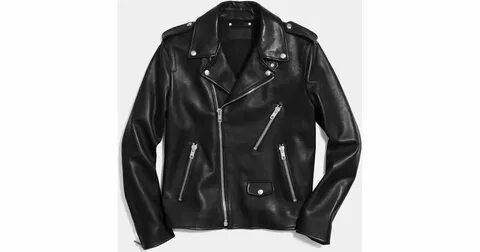
Men’s leather jackets in Vancouver are a wardrobe essential for those who value both style and practicality. With the city’s mild yet unpredictable climate, having a versatile outer layer is crucial. A well-crafted leather jacket offers durability, comfort, and timeless appeal, making it a smart choice for everyday wear in Vancouver. This complete guide covers everything you need to...
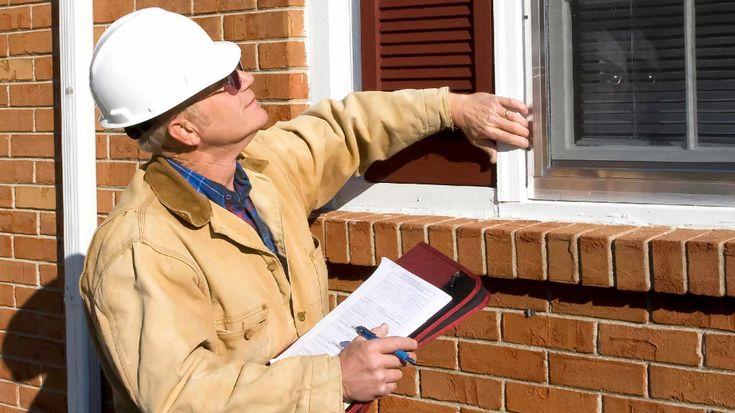
Understand the Property’s Condition Buying a home is a major decision, and understanding its condition before closing can help buyers make informed choices. Four Point Inspection near Orlando FL focuses on four major systems: the roof, electrical system, plumbing, and HVAC. A four-point inspection is generally narrower than a full home inspection. Examine the Roofing System The roof is...
Streetwear has grown from a niche fashion movement into one of the most influential styles in modern clothing. What makes it so appealing is its freedom. There are no strict rules about how an outfit should look, which gives people the opportunity to combine comfort, creativity, personality, and cultural influences in their own way. For today's generation, streetwear is not simply about...

