


A Guide to Choosing a Trusted Rehabilitation Centre
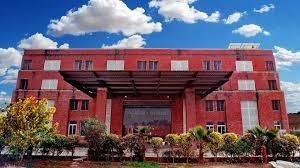
Recovery is a personal journey that can involve physical, emotional, cognitive, and social challenges. Whether someone is recovering from an injury, illness, surgery, neurological condition, or another health-related difficulty, appropriate professional support can make the process more structured and manageable. Rehabilitation focuses on helping individuals regain abilities, develop confidence, and work toward greater independence in everyday life.
A rehabilitation centre provides a structured environment where individuals can receive professional support based on their specific recovery requirements. Rather than following a single approach for everyone, quality rehabilitation care considers the individual's condition, abilities, lifestyle, goals, and progress. At TulasiHealthcare, the focus can be placed on creating a supportive environment where recovery is approached with patience, professionalism, and individual attention.
The Importance of Personalized Rehabilitation
Every person's recovery experience is different. Two individuals may have similar conditions but completely different abilities, challenges, and personal goals. For this reason, personalized rehabilitation is an important part of effective care. A suitable program begins by understanding the individual's current capabilities and identifying areas where professional intervention may help.
A personalized approach can make rehabilitation more meaningful because goals are connected to the person's everyday needs. Someone may want to improve mobility, while another individual may need support with communication, coordination, strength, or daily activities. Rehabilitation professionals can work around these needs while monitoring progress and adjusting the approach when necessary.
Personalized care also helps individuals understand their own recovery process. Knowing why particular activities or therapeutic techniques are being used can encourage participation and create a stronger sense of confidence. Consistent communication between professionals, individuals, and families can further support a positive rehabilitation experience.
Supporting Physical Recovery
Physical rehabilitation can play an important role following injuries, medical procedures, neurological conditions, or periods of reduced mobility. Depending on an individual's needs, rehabilitation may focus on movement, balance, coordination, flexibility, strength, and functional abilities.
The objective is not simply to complete exercises but to help individuals improve their ability to manage everyday activities. Rehabilitation professionals can introduce appropriate therapeutic activities and gradually adjust them according to progress. This structured process can help individuals work toward practical goals while avoiding unnecessary pressure.
Progress may occur gradually, and every stage can be important. Small improvements in movement, confidence, endurance, or coordination can contribute to greater independence over time. Professional guidance helps ensure that rehabilitation remains focused on realistic and meaningful outcomes.
Addressing Cognitive and Neurological Needs
Some individuals require rehabilitation support because of neurological or cognitive challenges. These situations may affect movement, communication, memory, concentration, coordination, or the ability to perform familiar activities.
Rehabilitation can provide structured opportunities to work on these areas while taking the individual's abilities and limitations into account. Therapeutic interventions can be adapted as progress develops, helping individuals build skills progressively and work toward greater participation in daily life.
A supportive environment is particularly valuable when recovery involves neurological challenges. Encouragement, consistency, and clear communication can help individuals remain engaged throughout their rehabilitation journey. Families can also benefit from professional guidance that helps them understand the recovery process and provide appropriate support outside the clinical environment.
The Role of Professional Expertise
Effective rehabilitation depends on knowledgeable professionals who understand how different conditions can affect an individual's physical and functional abilities. Professional assessment allows rehabilitation teams to understand current needs and establish appropriate goals.
At TulasiHealthcare, a professional and individual-focused approach can help ensure that rehabilitation is viewed as an ongoing process rather than a short-term intervention. Monitoring changes over time is important because recovery does not always follow a predictable pattern. Programs may need to be modified when an individual develops new abilities, encounters difficulties, or reaches a particular stage of recovery.
Professional expertise also involves recognizing the importance of communication. Individuals and families should have opportunities to discuss concerns, understand recommended interventions, and remain involved in decisions concerning the rehabilitation journey.
Creating a Supportive Recovery Environment
The environment in which rehabilitation takes place can influence an individual's overall experience. A welcoming and respectful setting can help reduce anxiety and encourage participation. People undergoing rehabilitation may already be dealing with uncertainty or frustration, making emotional support an important part of the overall process.
A positive rehabilitation environment promotes dignity, patience, encouragement, and respect. Professionals can help individuals recognize progress while providing constructive guidance when challenges arise. This approach can contribute to greater confidence and motivation throughout recovery.
Family involvement may also be valuable. Relatives and caregivers often play an important role in supporting daily routines and encouraging continued progress. Appropriate communication between rehabilitation professionals and families can help create consistency between professional sessions and everyday life.
Rehabilitation and Long-Term Independence
One of the central goals of rehabilitation is helping individuals achieve greater independence wherever possible. Independence can mean different things to different people. For one person, it may involve walking more confidently, while for another it may mean communicating more effectively, returning to familiar routines, or managing daily tasks with less assistance.
Rehabilitation therefore needs to be connected to real-life objectives. Professional support can help individuals develop practical abilities that have meaning beyond the clinical environment. Progress can be evaluated through functional improvements and the person's ability to participate more comfortably in everyday activities.
Long-term rehabilitation may also encourage individuals to develop healthier routines and understand strategies that support continued wellbeing. Maintaining progress often requires consistency, patience, and appropriate professional guidance.
Choosing Appropriate Rehabilitation Support
Selecting a healthcare provider for rehabilitation is an important decision. Individuals and families should consider whether the provider takes a personalized approach, communicates clearly, understands different rehabilitation needs, and creates a respectful environment.
It is also useful to understand how assessments are conducted and how progress is monitored. A professional rehabilitation service should recognize that recovery is individual and should be prepared to adapt care according to changing circumstances.
TulasiHealthcare represents a healthcare-focused approach in which rehabilitation can be viewed as part of a broader commitment to individual wellbeing. By emphasizing professional care and personalized support, rehabilitation can become a more structured and purposeful experience.
Moving Forward With Confidence
Recovery may require time, effort, and ongoing encouragement, but appropriate rehabilitation support can help individuals work toward meaningful improvements. A carefully developed rehabilitation approach can address physical abilities, functional skills, cognitive requirements, confidence, and everyday independence while respecting each person's unique circumstances.
الأقسام
إقرأ المزيد
For businesses and individuals operating websites, applications, or online services across borders, network quality can matter just as much as server hardware. A powerful server is not very useful if users experience slow loading, unstable connections, or frequent packet loss.To get more news about cn2服务器, you can visit rockcloud.net official website. This is where a CN2 Server attracts...
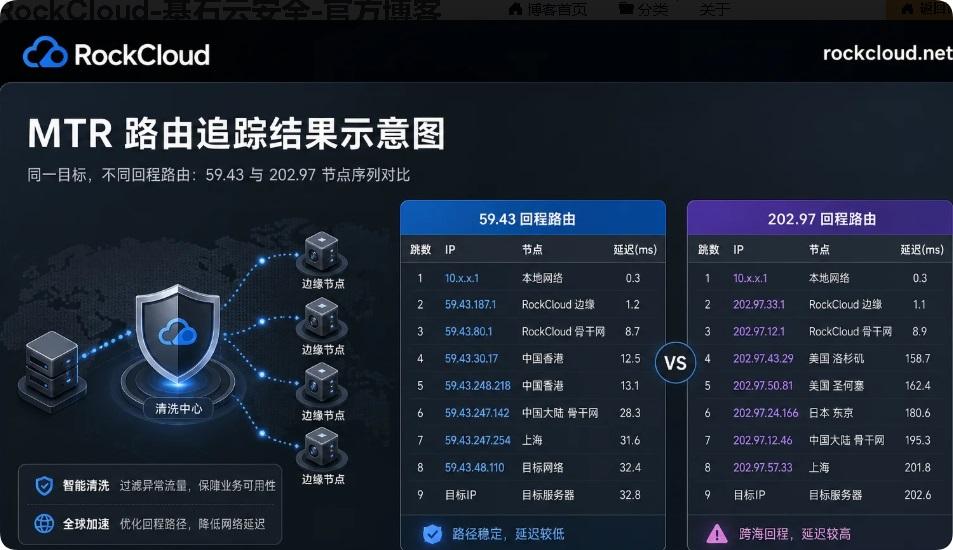
Buy Naver Accounts In the digital age, where online presence dictates success, having a robust platform to connect with users is essential. For those seeking to tap into the vibrant South Korean market, Buy Naver accounts can be a game-changer. As one of Korea’s leading search engines and social platforms, Naver offers unparalleled access to millions of active users. But what makes it so...

PeaceInWar – Style That Breaks the Rules Introduction: Redefining Urban Fashion Streetwear has always been about challenging norms, pushing boundaries, and creating individuality. Peaceinwar takes this philosophy to the next level, crafting clothing that breaks conventional fashion rules while remaining stylish and functional. Designed for the fearless, creative, and trend-defying...
Understanding Kaolin Clay and Its Industrial Importance Kaolin clay, also known as china clay, is a naturally occurring kaolinite mineral that has become one of the most important industrial minerals used across manufacturing sectors. Processed into different grades such as hydrous kaolin, calcined kaolin, and spray dried kaolin, it offers outstanding brightness, chemical stability, fine...