


Why Solid-State Circuit Breakers Are Reshaping Modern Power Protection
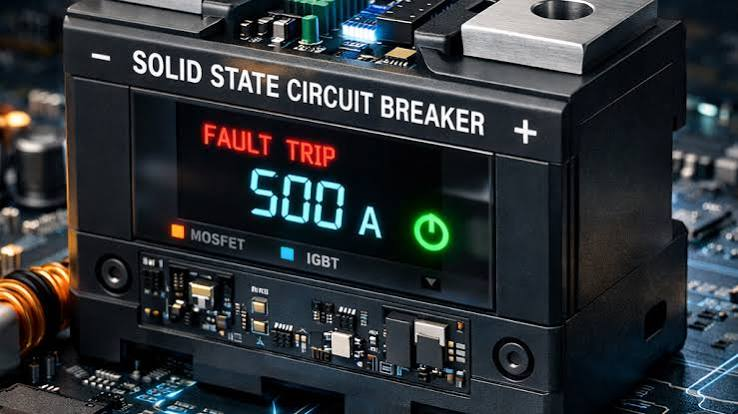
As power systems become increasingly digital, conventional protection technologies are being challenged by the need for faster response times, higher reliability, and seamless integration with intelligent electrical infrastructure. Solid-state circuit breakers (SSCBs) are emerging as a transformative solution by replacing mechanical switching components with semiconductor devices capable of interrupting fault currents in microseconds. Their ability to enhance safety, reduce downtime, and support modern power electronics makes them an essential component of next-generation electrical networks.
According to an analysis by MarkNtel Advisors, the latest industry analysis on advanced circuit protection technologies projects steady expansion during the 2026–2032 forecast period. The growing adoption of renewable energy systems, electric vehicles, smart grids, and industrial automation continues to accelerate demand for high-performance circuit protection solutions capable of meeting evolving electrical requirements.
What Makes Solid-State Circuit Breakers Different?
Unlike traditional circuit breakers that rely on mechanical contacts to interrupt current flow, solid-state circuit breakers use semiconductor devices such as IGBTs, MOSFETs, or silicon carbide (SiC) components. These electronic switches detect abnormal current conditions almost instantly and disconnect the faulty circuit before significant damage can occur.
This rapid response minimizes equipment stress, improves system stability, and significantly reduces maintenance requirements associated with mechanical wear. Since there are no moving contacts, SSCBs also provide a longer operational lifespan while supporting frequent switching applications.
Growing Demand for Intelligent Power Distribution
The rapid digitalization of electrical infrastructure is increasing the need for smarter protection systems. Data centers, commercial buildings, manufacturing facilities, and utility networks now require uninterrupted power delivery alongside real-time monitoring capabilities.
Solid-state circuit breakers support these objectives by offering:
- Ultra-fast fault interruption
- Remote monitoring and diagnostics
- Programmable protection settings
- Reduced maintenance requirements
- Higher operational reliability
These features allow operators to detect faults earlier while minimizing costly power interruptions.
Renewable Energy Is Creating New Protection Challenges
Solar farms, wind power installations, battery energy storage systems, and distributed energy resources introduce bidirectional power flow and rapidly changing electrical conditions that conventional protection devices may struggle to handle efficiently.
Solid-state circuit breakers offer the speed and precision required for these dynamic environments. Their ability to isolate faults within microseconds helps protect expensive renewable energy equipment while maintaining grid stability.
As countries continue investing in clean energy infrastructure, advanced protection technologies are expected to play a larger role in ensuring reliable and efficient electricity distribution.
Electric Vehicles Are Driving New Opportunities
The global expansion of electric mobility is creating additional demand for intelligent circuit protection. EV charging stations operate under high-power conditions where electrical faults must be detected and isolated almost immediately to ensure user safety and equipment protection.
Solid-state circuit breakers are increasingly being evaluated for:
- Fast DC charging infrastructure
- Battery management systems
- Electric buses and commercial vehicles
- Microgrids supporting EV charging hubs
- Vehicle-to-grid (V2G) applications
Their compact design and rapid interruption capabilities make them well suited for modern transportation electrification projects.
Industrial Automation Is Accelerating Adoption
Manufacturing facilities are becoming increasingly automated through robotics, Industrial Internet of Things (IIoT), and digitally connected production systems. Even short-duration power disturbances can interrupt production, damage sensitive equipment, and increase operating costs.
Solid-state circuit breakers help improve operational continuity by isolating electrical faults almost instantly. Their intelligent monitoring capabilities also enable predictive maintenance strategies, allowing facility managers to identify potential issues before failures occur.
Advantages Over Conventional Circuit Breakers
Although mechanical breakers remain widely used across many applications, solid-state technology provides several important performance benefits.
- Microsecond-level fault interruption
- No contact arcing during operation
- Longer service life with fewer moving parts
- Lower maintenance requirements
- Enhanced compatibility with digital control systems
- Improved protection for sensitive electronic equipment
These advantages are particularly valuable in applications where uptime, safety, and system efficiency are critical.
Challenges Limiting Wider Deployment
Despite their advantages, several factors continue to influence market adoption. Higher initial costs compared to conventional breakers remain one of the primary barriers, particularly in cost-sensitive infrastructure projects.
Thermal management also requires careful engineering since semiconductor devices generate heat during operation. In addition, organizations upgrading existing electrical systems may need to address compatibility considerations when integrating solid-state technologies into legacy infrastructure.
However, continuous improvements in semiconductor materials—including silicon carbide (SiC) and gallium nitride (GaN)—are steadily improving efficiency while reducing system costs.
Innovation Is Expanding Future Applications
Manufacturers continue investing in research focused on higher voltage capabilities, improved energy efficiency, compact designs, and enhanced communication features. Integration with artificial intelligence, cloud-based monitoring, and predictive analytics is expected to further strengthen the role of intelligent protection systems across industrial and utility applications.
Future developments may also support autonomous grid management, enabling electrical networks to identify, isolate, and recover from faults with minimal human intervention.
Conclusion
Solid-state circuit breakers represent an important advancement in electrical protection technology. Their ability to respond rapidly to faults, improve equipment reliability, and support intelligent power management aligns well with the growing demands of renewable energy, industrial automation, smart grids, and electric transportation.
As electrical systems continue evolving toward greater efficiency and digital connectivity, demand for advanced protection solutions is expected to increase steadily. Industry research, including studies published by MarkNtel Advisors, indicates that technological innovation and expanding investment in modern electrical infrastructure will continue supporting long-term opportunities for solid-state circuit breaker adoption.
Categorieën
Read More
Maintaining trees is important for both safety and environmental balance, especially in a fast-growing city like Hyderabad. Overgrown branches, weak trunks, or damaged trees can create risks for homes, offices, and public spaces. This is where Tree Cutting Services Hyderabad play a vital role. With the right approach, trees can be managed safely without harming the surroundings. Professional...

Every day, law firms handle private information that clients trust them to protect. This includes contracts, financial records, legal files, and confidential emails. Losing even one file can create serious problems. That is why more legal practices are making cybersecurity a top priority. Read the Guest Blog :...

Buy Old Gmail Accounts: The Ultimate Exhaustive Guide to Aged Google Accounts for Digital Marketing, SEO, Automation, and Business Scaling For more information,just knock us!🌙🌚🌛🌜🌝🌞🌟✨ Telegram: @getpvatop 🌙🌚🌛🌜🌝🌞🌟✨ Email:getpvatop@gmail.com🌙🌚🌛🌜🌝🌞🌟✨ https://t.me/getpvatop 🌙🌚🌛🌜🌝🌞🌟✨ Discord Community: getpvatop🌙🌚🌛🌜🌝🌞🌟✨ our...

Buy Old Gmail Accounts 🌐 ⚡️🕐 Instant Reply Guaranteed — Message now for quick assistance. 🛒🏆📱 Telegram: https://t.me/getpvatop 🛒🏆📢 Telegram Username: @getpvatop 🛒🏆📧 Email: getpvatop@gmail.com 🛒🏆💜 Discord Community: getpvatop 🛒🏆🌍 Website:https: https://getpvatop.com/product/buy-old-gmail-accounts/ Old Gmail accounts have become essential for...