SBC 201 2024: Essential Changes for Saudi Building Projects
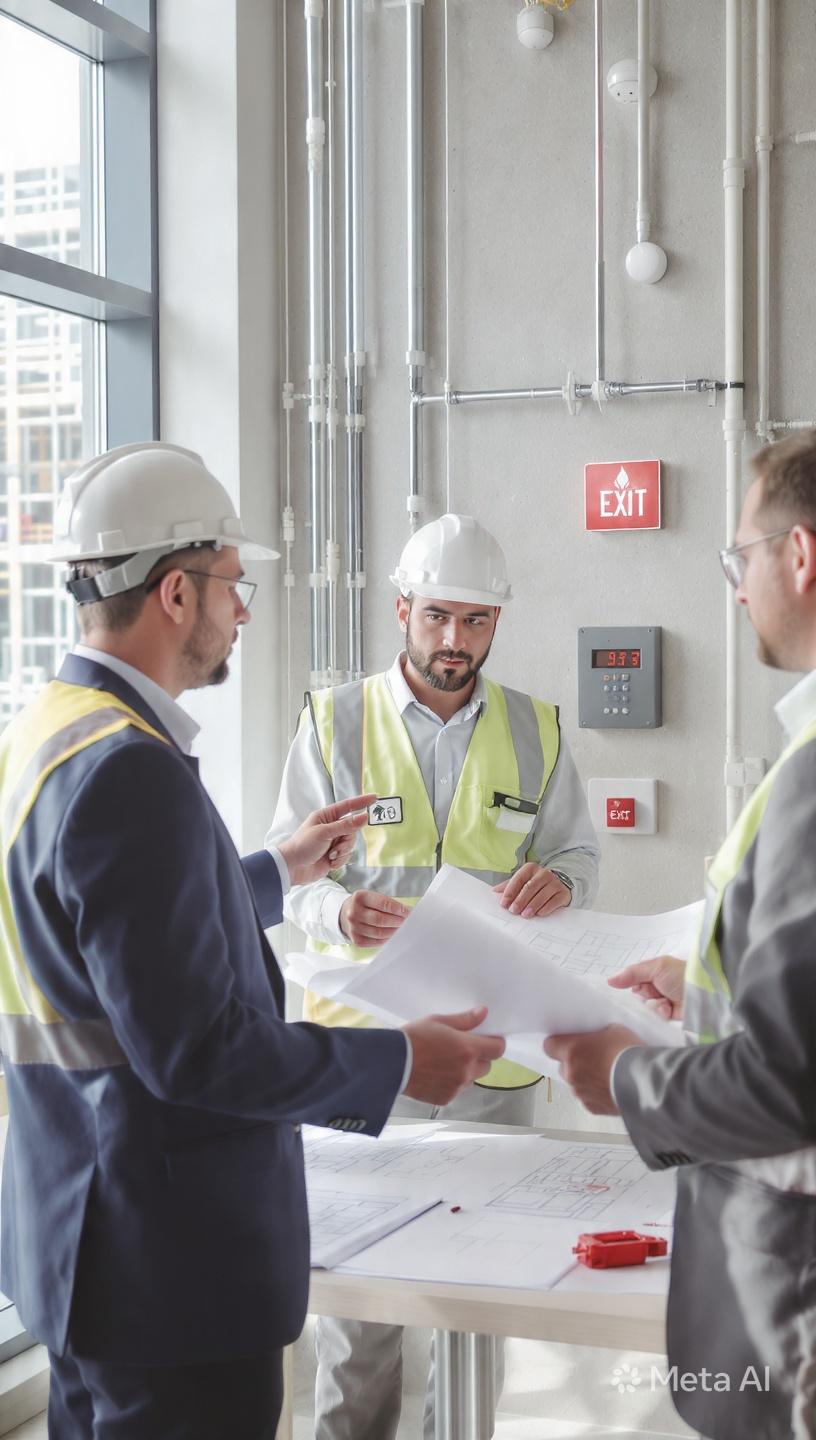
Saudi Arabia’s building sector is evolving quickly, and updated fire and life safety requirements are an important part of that progress. The 2024 editions of Saudi Building Code SBC 201 and SBC 801 officially took effect on July 1, 2025, marking the first major revision since the 2018 editions. According to Vortex Fire, the updates align with the 2021 International Fire Code and introduce changes intended to strengthen life safety while improving design efficiency. For architects, developers, consultants, contractors, and owners, understanding these revisions is not simply a compliance exercise. It is an opportunity to identify risks early, coordinate disciplines effectively, and create buildings that remain safer throughout their lifecycle. The updated requirements affect areas including means of egress, occupant loads, high-rise emergency systems, fire command centers, atriums, and specialized facilities. Professional interpretation is valuable because individual projects must be evaluated according to their occupancy, construction type, size, systems, and authority requirements.
Key Changes Designers Should Watch
There are some amendments that deserve careful consideration while planning and technical evaluation. New requirements permit some fully sprinklered Type IA, IB and IIA buildings to omit aerial fire apparatus access roads provided some specified conditions exist such as the ability to reach roof surfaces through protected stairways equipped with Class I standpipes and Civil Defense approval. Parking areas with area greater than 4,460 square meters, including certain high-rise parking podiums, need to be protected with automatic sprinklers. Also, there are new fire command center size criteria which depend on total building area, not the previous fixed dimension and entrance signage is now required. Other amendments deal with design criteria for air traffic control towers, occupant load factor for business occupancy, and mechanical-room egress provisions. Important modifications were made to provisions on high-rise emergency systems and fire pump and riser rooms as well. All the information above proves why designers have to avoid using outdated templates because the clause that was correct for one edition may become irrelevant for another one. Evaluation of project documentation in connection with the current edition will save time, effort, and help coordinate all activities.
Why a Building-Specific Fire Safety Program Matters
Code compliance becomes more practical when requirements are translated into clear procedures for people who occupy and operate a building. A building-specific Fire Safety Program can establish emergency reporting procedures, evacuation routes, assembly points, responsibilities for designated personnel, and arrangements for occupants requiring assistance. Vortex Fire develops plans for varied occupancies, including hospitals, care homes, offices, residential buildings, schools, churches, and industrial facilities. Effective planning should reflect the actual building rather than relying on generic instructions. Fire safety drawings can identify exits, alarm pull stations, extinguishers, hose cabinets, suppression systems, standpipes, control rooms, and level-specific evacuation routes. Plans can also document inspection and maintenance schedules for alarms, sprinklers, emergency lighting, and extinguishers. Procedures for temporarily shutting down fire protection systems during maintenance or renovation are equally important, particularly when communication with emergency services and safeguards against unauthorized shutdowns are required. A well-prepared plan connects engineering design with human action, helping occupants and responsible personnel understand what should happen before, during, and after an emergency.
Putting Compliance Into Practice
The strongest fire strategies combine code interpretation, engineering judgment, documentation, and ongoing verification. Teams should begin by identifying which code edition governs the project, then map relevant requirements against architectural, structural, mechanical, electrical, and fire protection designs. This coordinated process can expose conflicts before construction, when changes are generally easier and less expensive to implement. Designers should retain supporting evidence for important decisions, including calculations, drawings, product information, test documentation, approvals, and inspection records. During construction, site conditions should be checked against approved documentation so substitutions or installation changes do not unintentionally undermine the intended fire strategy. Owners and facility managers then need procedures for maintaining systems and recording service activities after occupancy. This lifecycle perspective supports E-E-A-T because trustworthy technical guidance should be grounded in professional competence, authoritative requirements, practical experience, and evidence. Rather than treating compliance as a one-time submission, organizations can establish a repeatable process for reviewing changes, documenting decisions, and keeping safety information current.
Why People Choose Vortex Fire
Vortex Fire stands out through its specialist fire engineering focus, international experience, and practical approach to complex regulatory requirements. Its published resources demonstrate experience interpreting Saudi and international fire codes and translating technical updates into practical project guidance. The company also provides fire safety planning for diverse occupancies and develops documentation addressing emergency procedures, evacuation, vulnerable occupants, fire safety drawings, maintenance schedules, and system shutdown procedures. This combination is valuable because clients often need more than a code summary; they need a technically sound path from requirements to implementation. An experienced consultant can help identify relevant provisions, coordinate design decisions, explain technical implications, and provide documentation that supports project teams and authorities. Vortex Fire also provides resources designed to help practitioners navigate code information efficiently. Choosing a specialist with relevant engineering knowledge can reduce uncertainty, improve communication, and support informed decisions from early design through occupancy and ongoing building management.
Conclusion
The 2024 Saudi code editions represent an important step in strengthening fire and life safety expectations. Understanding the changes, applying them to the specific building, and documenting decisions carefully can help project teams avoid preventable compliance issues. Most importantly, technical requirements should connect with real emergency procedures, maintenance responsibilities, and occupant needs. A professionally developed fire safety plan can turn complex requirements into practical actions, supporting safer buildings and better emergency preparedness.
FAQs
1. When did the 2024 Saudi code editions take effect?
The 2024 editions became effective on July 1, 2025, replacing the previous 2018 editions for applicable projects.
2. What does the updated code address?
It includes changes involving egress, sprinkler protection, fire command centers, high-rise systems, atriums, occupant loads, and specialized building provisions.
3. Why are code updates important for designers?
Updated requirements can change design assumptions, system needs, documentation, and authority expectations, making current technical review essential.
4. What should a Fire Safety Program include?
It can cover emergency procedures, evacuation routes, assembly points, assistance arrangements, fire safety drawings, maintenance schedules, and system shutdown procedures.
5. Who should review complex Saudi fire requirements?
Qualified fire engineering professionals familiar with Saudi codes, project conditions, and regulatory expectations can provide appropriate project-specific guidance.
Категории
Больше
Top Bulk Yahoo Account Providers for Business & Marketing Security and longevity are the core pillars of our service at SmmPVAIO, your go-to Buy Bulk Yahoo Account Provider. We don't just generate Account; we engineer them using clean, dedicated IPs and unique phone numbers to minimize risk. This strict verification process ensures your automated tools and outreach campaigns run...

Geedup Clothing has carved its own lane in the global streetwear scene by staying rooted in authenticity, loyalty, and the raw energy of everyday street culture. Unlike brands that chase trends, Geedup builds its identity on consistency and community-driven values that resonate deeply with people who live and breathe street fashion. The brand represents more than just apparel; it reflects...

Pakistani Formal Wear has become the perfect choice for women in the UK who appreciate timeless elegance, premium craftsmanship, and sophisticated fashion. At Rang Jah, every outfit is designed to celebrate tradition while embracing contemporary style, allowing you to stand out at weddings, festive celebrations, family gatherings, and formal occasions. Whether you love intricate embroidery,...

This a digital surroundings possesses developed greatly throughout the last few years, in addition to several companies have experienced some sort of increase seeing that significant seeing that on the net game playing in addition to activity tools. Currently, alexistogel aficionados not ought to stop by real settings have fun with their favorite predictive video game titles, lotteries, or...

Buy Verified Line Account for Freelancers and Agencies Managing global client communication and deploying high-converting marketing frameworks requires direct, seamless access to the instant messaging platforms that your target audience uses daily. For independent digital freelancers, corporate advertising agencies, and scaling remote teams, maintaining cross-border connectivity is the absolute...