


Multilingual Voice AI Customer Support: How AI Voice Agents Deliver Seamless Conversations

Imagine calling your favorite airline or retail brand at 2:00 AM. Instead of listening to frustrating menu prompts or waiting on hold for an agent who speaks your language, you are greeted instantly by a friendly voice that asks, "How can I help you today?" You reply in Spanish, Hindi, or Japanese, and the voice seamlessly responds in that exact same language, resolving your issue in seconds.
This isn't sci-fi; it is the current reality of multilingual voice AI customer support.
As global commerce expands, businesses face a massive challenge: how to provide localized, 24/7 support across dozens of languages without breaking the bank. Traditional call centers struggle with staffing shortages, high training costs, and language barriers. Enter AI voice agents—the technological leap transforming how brands talk to the world.
Here is a look at how advanced conversational voice ai is redefining customer service through seamless, multilingual interactions.
The Rising Demand for Multilingual Support
Customer expectations have never been higher. Consumers want support immediately, and crucially, they want it in their native language. Studies consistently show that people are far more likely to make purchases—and remain loyal—when customer service is delivered in their primary language.
However, scaling a human-powered multilingual support team is notoriously difficult. Hiring fluent agents for twenty different languages requires immense recruitment overhead, and covering round-the-clock time zones multiplies those costs exponentially.
This is why companies across e-commerce, travel, fintech, and healthcare are turning to multilingual voice AI. It bridges the gap between global reach and localized, personal service.
How AI Voice Agents Deliver Seamless Conversations
Older automated phone systems (IVRs) were notoriously rigid. They relied on frustrating commands like "Press 1 for English, Press 2 for Spanish" and frequently crashed if a customer spoke too quickly or used slang.
Modern AI voice agents operate entirely differently. Powered by Large Language Models (LLMs), Automatic Speech Recognition (ASR), and advanced Text-to-Speech (TTS) engines, these agents offer experiences that feel remarkably human.
Here is how they achieve seamless, multilingual conversations:
1. Instant Language Identification and Switching
Modern conversational voice AI doesn't just wait for you to press a button; it listens to your very first words. The system instantly detects the language being spoken and switches context in milliseconds. If a customer starts in French and smoothly transitions to English halfway through the sentence, the AI adapts on the fly.
2. Natural Prosody and Local Nuances
Language is about much more than just translating words—it’s about culture, tone, and regional dialects. A native Spanish speaker from Mexico uses different idioms than one from Spain. Advanced AI voice agents are trained on localized datasets, allowing them to capture regional accents, slang, and cultural nuances. Combined with lifelike TTS technology, they produce natural pauses, inflections, and emotional tone, eliminating the robotic feel of older technology.
3. Real-Time Intent Recognition
When a customer calls in distress, they don't speak in formal, scripted sentences. They ramble, interrupt, and express frustration. Conversational voice AI excels at natural language processing (NLP). It can filter out background noise, understand complex intents, and extract key details (like order numbers or account IDs) regardless of the language being spoken.
4. Direct CRM and Backend Integration
A truly seamless conversation goes beyond just chatting. When an AI voice agent speaks with a customer in German or Mandarin, it simultaneously pulls data from backend systems—like Shopify, Salesforce, or Zendesk. The AI can check shipping statuses, process refunds, or update account information in real-time, executing the entire request without human intervention.
The Business Benefits of Multilingual Voice AI
Implementing AI voice agents for multilingual support yields immediate, measurable advantages for enterprises:
-
24/7 Global Availability: Time zones no longer matter. Customers in Tokyo, London, and New York can receive instant support in their local language at any time of day or night.
-
Drastic Cost Reductions: By automating routine inquiries (like password resets, tracking updates, and FAQs) across multiple languages, companies reduce the load on human call centers, lowering operational costs.
-
Consistent Quality: Human agents have off days, get tired, or may struggle with language fatigue. AI voice agents deliver the exact same high standard of patient, polite, and accurate service on the millionth call as they did on the first.
-
Effortless Scalability: Want to expand your business into a new geographic market next month? Instead of spending six months hiring and training a new language support team, you can deploy multilingual voice AI in a matter of days.
The Future of Customer Experience is Conversational and Global
Language should never be a barrier to great customer service. As conversational voice ai continues to evolve, the line between human and artificial interactions will continue to blur, making global customer support feel local, personal, and immediate.
By integrating multilingual voice AI customer support, forward-thinking businesses are not just cutting costs—they are opening their doors to the global marketplace, ensuring that every customer, no matter what language they speak, feels heard, valued, and understood.
Categorieën
Read More
Complete Comprehensive Guide to Buying Old YouTube Ads Accounts: Strategy, Benefits, Security, and Scaling For more information,just knock us!🌙🌚🌛🌜🌝🌞🌟✨ Telegram: @getpvatop 🌙🌚🌛🌜🌝🌞🌟✨ Email:getpvatop@gmail.com🌙🌚🌛🌜🌝🌞🌟✨ https://t.me/getpvatop 🌙🌚🌛🌜🌝🌞🌟✨ Discord Community: getpvatop🌙🌚🌛🌜🌝🌞🌟✨ our company: https://getpvatop.com/🌑🌒🌓🌔🌕🌖🌗🌘 ✨🌙💫🌌🌙🖤🌑⚡🌒🔥🌓💫 1. Introduction: The Evolution of...

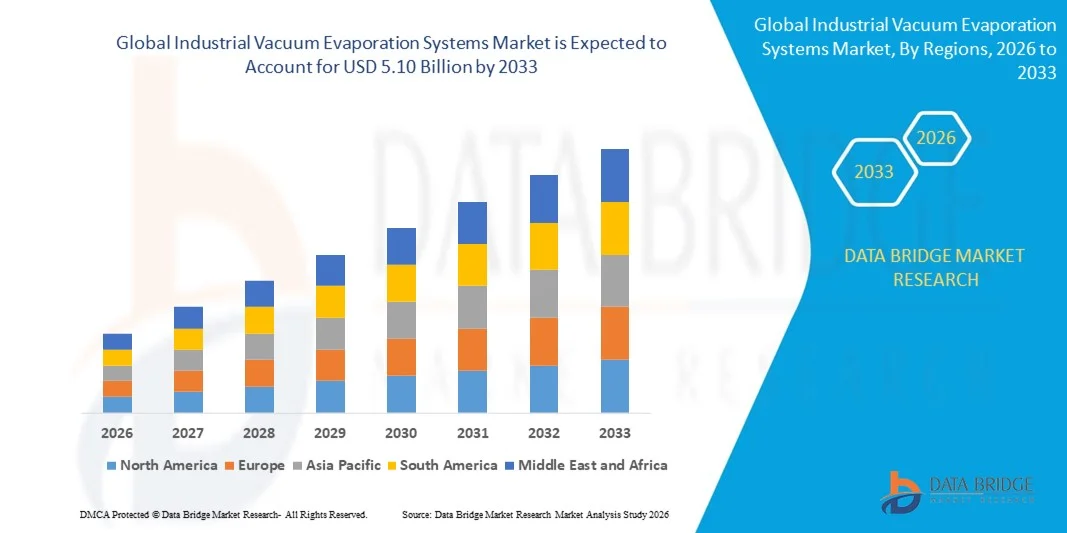
According to the latest report published by Data Bridge Market Research, the Industrial Vacuum Evaporation Systems Market The global industrial vacuum evaporation systems market size was valued at USD 3.27 billion in 2025 and is expected to reach USD 5.10 billion by 2033, at a CAGR of 5.70% during the forecast period. The Industrial Vacuum Evaporation...
Rajabandot sebagai Platform Digital yang Mendukung Kenyamanan Pengguna Dunia Digital yang Terus Berkembang Transformasi digital telah mengubah cara masyarakat berinteraksi dengan teknologi. Berbagai layanan yang dahulu hanya dapat diakses secara langsung kini tersedia secara online dengan proses yang jauh lebih mudah. Kondisi ini mendorong lahirnya banyak platform digital yang berusaha...

A healthy lawn and thriving garden depend on more than regular watering. The way water is delivered can make a significant difference in plant health, water efficiency, and long-term maintenance costs. One of the most effective upgrades homeowners can make is Smart Irrigation Controller Installation, which helps deliver the right amount of water at the right time based on real conditions...
