


Evaluating Cost-Per-Square-Foot Metrics to build a home near me vs. Buying Existing Real Estate
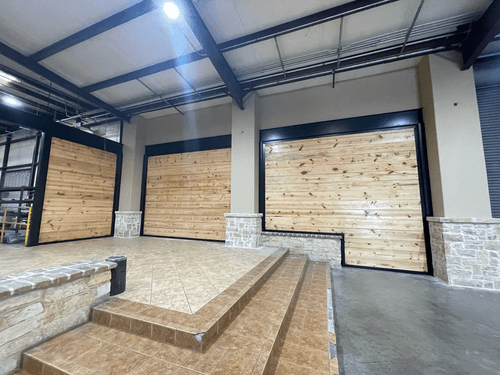
The decision to acquire a primary residence or expand a real estate portfolio brings up a classic real estate dilemma: should you construct a completely bespoke home from the ground up, or acquire an established property? In fluctuating real estate markets, making the right choice requires a clear understanding of the financial data. At the center of this calculation is the price-to-space ratio. However, simply looking at generalized, national averages can lead to costly mistakes.
To make a smart financial decision, property buyers must carefully balance the raw numbers. This means thoroughly evaluating cost-per-square-foot metrics to build a home near me vs. buying existing real estate assets. While purchasing an existing home offers speed, convenience, and a fixed, predictable price, building a new custom home gives you complete control over the layout, ultimate energy efficiency, and a house tailored perfectly to your lifestyle. Unlocking the true financial outlook requires looking past the surface numbers and breaking down the hidden costs, structural variables, and long-term value metrics that drive both sides of the real estate market.
1. Deconstructing New Construction Metrics: Hard Costs, Soft Costs, and Site Realities
When evaluating the financial metrics of building a new home, the initial quote provided by a developer or online calculator often covers only the "hard construction costs"—the raw materials and physical labor needed to frame and finish the building. In competitive metropolitan markets, standard residential hard costs typically range from $150 to $250 per square foot, while true custom estates frequently exceed $350 to $600+ per square foot. However, this baseline metric does not represent the true final cost of construction.
To figure out the real price of building a home, you must factor in "soft costs" and site preparation fees. Soft costs include architectural design fees, civil engineering stamps, local building permits, and environmental impact fees, which can add an extra 10% to 15% to your base budget. Furthermore, preparing the land—which includes tree clearing, soil stabilization, grading for proper drainage, and connecting utilities like water, electricity, or private septic systems—can add tens of thousands of dollars before foundation work even begins. Failing to distribute these hidden soft and site expenses across your total area will artificially lower your estimated cost per square foot, leading to unexpected budget overruns later in the project.
2. Analyzing Existing Real Estate Math: Market Premiums and Immediate Convenience
In contrast to the multi-phased expenses of new construction, purchasing an existing property offers a more straightforward, consolidated financial transaction. When you look at existing market listings, the asking price reflects the immediate market value of the entire property packaged together: the developed land, the physical home structure, the landscaping, and the interior finishes.
The price-per-square-foot metric for an existing home is highly dependent on localized real estate premiums, school district rankings, and neighborhood desirability. In highly sought-after historic areas or established master-planned suburbs, the cost per square foot for an existing home can sometimes equal or exceed the cost of raw construction, driven up by high buyer demand and limited inventory. However, buying an existing home eliminates the complex logistics of building, allowing you to move in immediately and avoiding the high carrying costs, design delays, and temporary living expenses that come with a long construction project.
3. The Customization Premium: Tailored Spatial Floor Plans vs. Renovation Capital
One of the biggest financial differences between building new and buying used is the cost of customizing the space to fit your needs. When constructing a new home alongside a premier custom home builder rockwall tx, every square foot is optimized during the architectural design phase to match your exact lifestyle. Every dollar spent goes directly toward building the precise floor plan, kitchen layout, and bedroom count you want, removing any wasted or inefficient space.
When you purchase an existing house, the floor plan is already locked in. If the kitchen is closed off or the master bathroom feels dated, fixing those issues requires significant additional investments after closing. Undertaking a complex home remodeling rockwall tx project to tear down structural walls, relocate plumbing lines, or expand the home's footprint can cost significantly more per square foot than building those same spaces new from scratch. When you factor the post-sale costs of updating an older home into your initial purchase math, the financial advantage often shifts back toward building a new, move-in-ready home.
4. Operational Efficiency and Long-Term Maintenance Obligations
To accurately evaluate real estate costs over time, you must look past the initial purchase price and analyze the ongoing operational and maintenance expenses of the home. New construction homes are built to modern, stringent building codes and utilize high-efficiency building materials.
A newly constructed home features advanced spray-foam insulation, multi-pane low-E glass windows, and high-efficiency variable-capacity HVAC systems. These modern upgrades dramatically lower monthly utility bills compared to an older, poorly insulated existing home. Additionally, new homes come with extensive builder warranties covering the structural framing, roof system, and mechanical networks for years. When you invest in a luxury home construction project, your near-term maintenance costs drop to nearly zero. Conversely, buying an older home often means taking on deferred maintenance tasks—such as replacing an aging roof, updating a cracked driveway, or repairing a failing HVAC compressor—within the first few years of ownership.
5. Financing Mechanics: Construction-to-Permanent Loans vs. Traditional Mortgages
The financial structures used to fund new construction versus buying an existing property operate under completely different rules, directly impacting your upfront cash requirements and interest expenses. Buying an existing home utilizes a standard 30-year or 15-year fixed-rate traditional mortgage, which features a straightforward approval process, predictable closing costs, and immediate locked-in interest rates.
Financing a ground-up build requires a more complex construction-to-permanent loan. During the construction phase, the lender pays out money to your building crew in stages, or "draws," as different parts of the house are finished. During this period, you pay interest-only payments on the money that has been drawn out. Because construction loans carry higher interest rates and require specialized independent bank appraisals and draws, they add carrying costs that must be factored into your overall budget. Partnering with an experienced commercial contractor rockwall tx or certified custom builder who maintains strong banking relationships can help streamline these approvals, ensuring your project hits its deadlines and transitions smoothly into a permanent mortgage without expensive delays.
6. Long-Term Equity Growth and Securing Your Investment with a Design-Build Plan
From a long-term investment view, new construction often delivers faster initial equity growth. When you build a modern, high-tech home in a growing neighborhood, the property's market value upon completion frequently exceeds the total money spent on land acquisition and raw construction hard costs. This instant equity cushion provides an excellent financial foundation for your real estate portfolio.
Achieving this financial success requires close cooperation between your design planners, engineering teams, and construction managers. Utilizing an integrated design-build model protects your financial investment by managing all architectural design, land reviews, utility planning, and final field construction under a single, unified contract. This single contract structure ensures your home's total cost per square foot is calculated, tracked, and locked in before any dirt is moved on site. Whether you decide to build a custom home or execute an extensive luxury home remodeling rockwall tx project on an existing property, having a professional building partner ensures a safe, successful outcome. By working with a trusted local building expert who understands local soil conditions, permit rules, and material logistics, you protect your real estate value and create a high-performance home built to thrive for decades.
Categorii
Citeste mai mult
The escorts that you can find on callgirlsmodel.com in Abu Dhabi combine the beautiful hotels, peaceful beaches, and shining skyscrapers of this city with the option of finding the companion that meets your wishes. It doesn't matter if you are staying on Corniche Road, in Khalidiya, in the area of Al Wahda, in Al Reem Island, or near Yas Island, you will definitely find the escort in...

➽ ➽ ➽ Telegram: @Pvabestitlive ➜➜➜ WhatsApp: +15712124466 ⟹ ⟹ ⟹ Email: pvabestit@gmail.com 🚀 🚀 If you want to more information just contact now. 24 Hours Reply/Contact Visit Now: https://pvabestit.com/product/buy-telegram-accounts/ 🚀 ⭐ ✅ 🔥 📈 💯 🛡️ ⚡ 🚀 ⭐ ✅ 🔥 📈 💯 🛡️ ⚡ 🚀 ⭐ ✅ 🔥 📈 💯 Buy Old Gmail Accounts In the fast-paced digital landscape,...

The healthcare sector is one of the most highly regulated industries in the world. Medical professionals, hospitals, clinics, and healthcare organizations must follow strict legal standards to protect patients and maintain professional ethics. This is where a Healthcare Solicitor Job plays a vital role. A healthcare solicitor provides legal advice, represents clients in...

If you are managing a website, understanding Domain Transfer in Pakistan is essential for better control, pricing, and service quality. Many website owners switch domain providers to get better support, lower renewal costs, or improved management features. In this guide by Web Host Era, we will explain everything in a simple and SEO-friendly way. What Is Domain Transfer in Pakistan? Domain...
If you are struggling with loose abdominal skin, stubborn fat deposits, or weakened abdominal muscles after pregnancy or significant weight loss, a tummy tuck may be an option worth discussing with a qualified plastic surgeon. Tummy Tuck Surgery in Islamabad is a body-contouring procedure designed to reshape the abdomen by removing excess skin and, when appropriate, tightening weakened...